 English
 Español
 日本語
日本語

Combination Screws: Practical Answer and Key Advantage
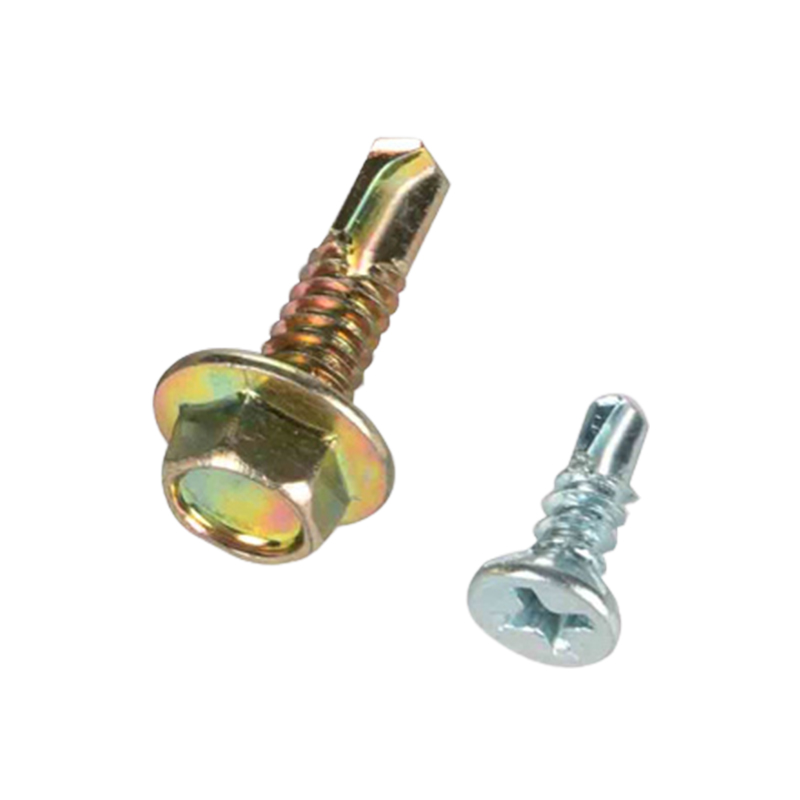
Combination screws are fasteners that integrate two or more drive types or functional features into a single screw, allowing greater installation flexibility, reduced tool changes, and improved efficiency. They are widely used in manufacturing, construction, and electrical applications where speed and adaptability are essential.
Instead of relying on a single drive system such as Phillips or slotted, combination screws enable compatibility with multiple tools. This reduces installation errors, speeds up assembly lines, and minimizes downtime, especially in environments where tool availability varies.
What Makes Combination Screws Different
The defining feature of combination screws lies in their hybrid design. Unlike standard screws, which rely on a single drive type, these screws combine multiple features to enhance usability and performance.
Dual Drive Heads
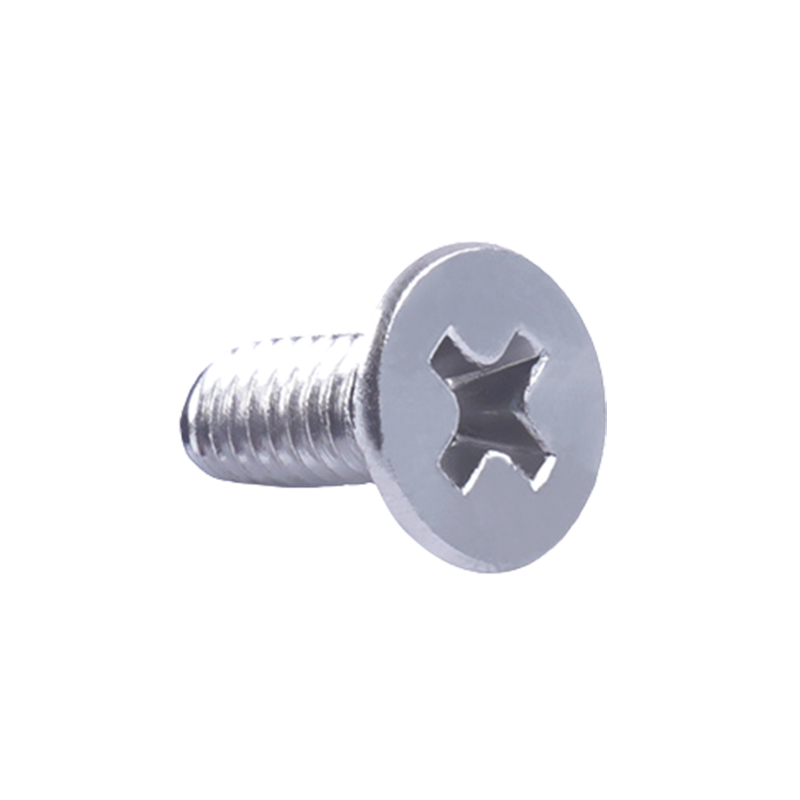
- Phillips + slotted combinations are the most common
- Allows use of either screwdriver type
- Reduces risk of tool mismatch on-site
Integrated Components
- May include washers or captive assemblies
- Ensures consistent fastening pressure
- Prevents part loss during installation
Studies in assembly efficiency show that multi-drive screws can reduce installation time by up to 20%, especially in high-volume production environments where tool switching slows down workflow.
Common Types of Combination Screws
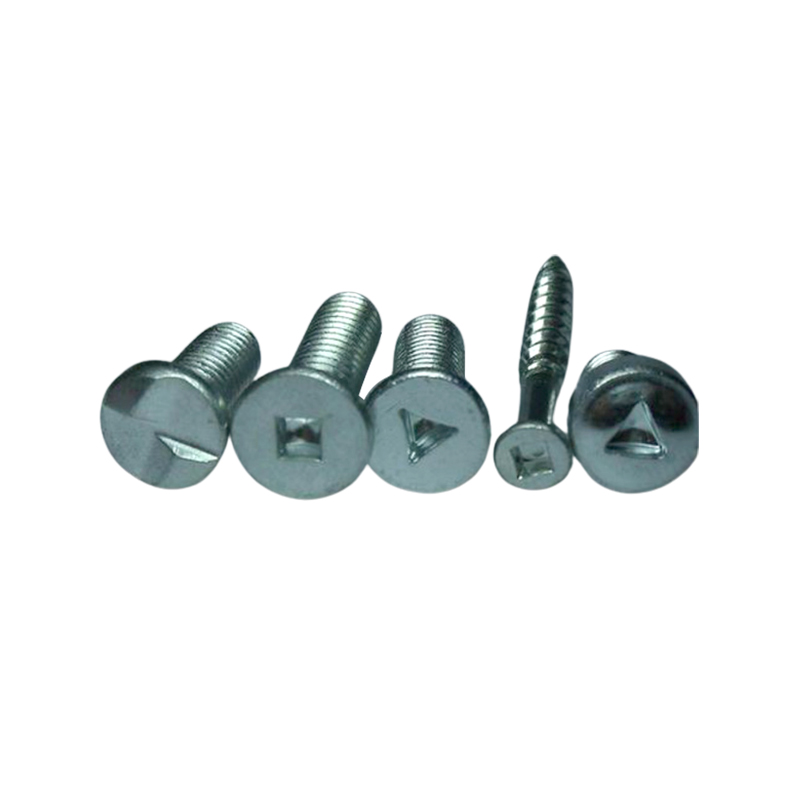
Combination screws are available in various forms depending on their intended application. Selecting the right type improves both performance and reliability.
| Type | Key Feature | Typical Use |
|---|---|---|
| Phillips + Slotted | Dual drive compatibility | General construction |
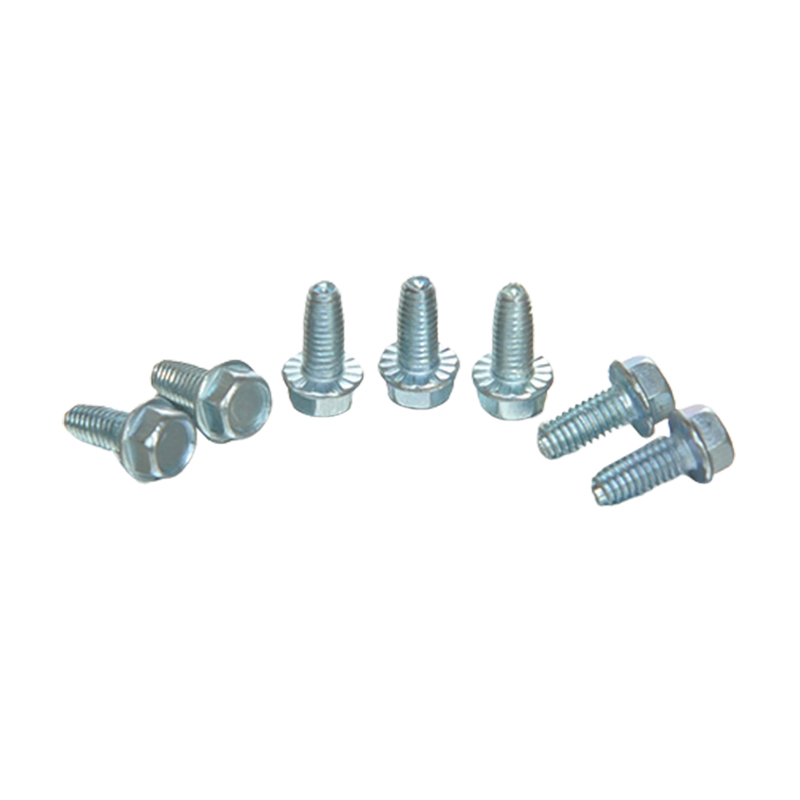
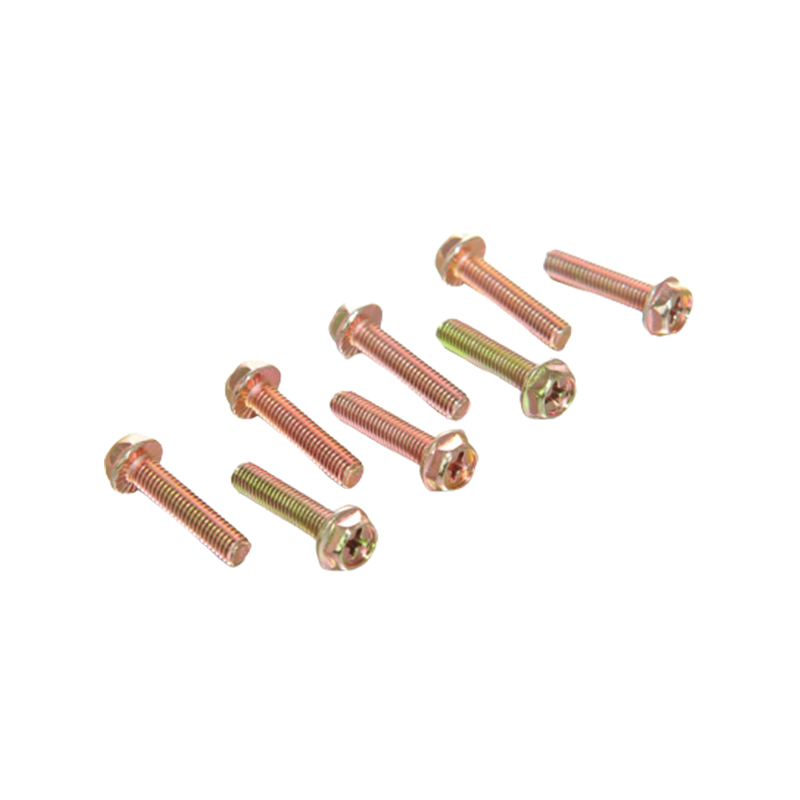
| Hex + Phillips | High torque + precision | Machinery assembly |
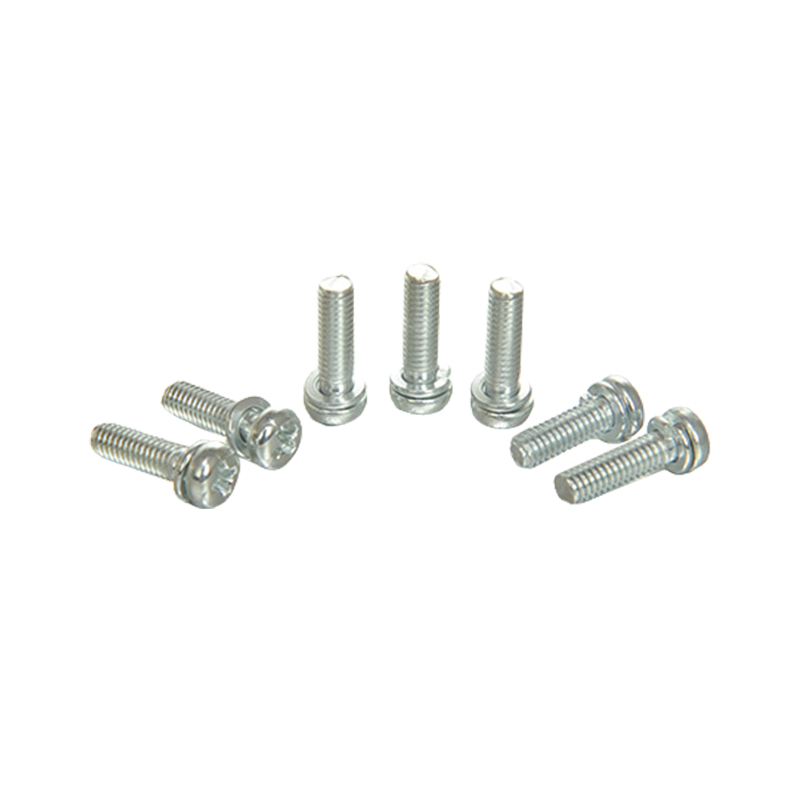
| Combination with Washer | Pre-attached washer | Electrical panels |
| Captive Combination Screw | Non-removable from panel | Safety-critical equipment |
Each type is designed to solve a specific challenge, whether it's torque requirements, installation speed, or component retention.
Materials and Performance Characteristics
Material selection plays a critical role in the durability and strength of combination screws.
- Carbon steel: high strength, cost-effective
- Stainless steel: corrosion-resistant, ideal for outdoor use
- Alloy steel: enhanced toughness and fatigue resistance
For example, stainless steel combination screws can maintain structural integrity in environments with humidity levels above 80%, making them suitable for marine or coastal applications. Meanwhile, alloy steel screws can withstand higher torque loads, often exceeding 30% more stress capacity compared to standard carbon steel.
How to Choose the Right Combination Screw
Choosing the correct combination screw requires evaluating specific application requirements rather than relying on general assumptions.
- Load requirements and torque levels
- Environmental exposure (moisture, temperature)
- Compatibility with available tools
- Need for additional components like washers
In electrical installations, for instance, combination screws with integrated washers are often preferred because they provide consistent contact pressure, reducing the risk of loose connections that can lead to overheating.
Installation Best Practices
Proper installation ensures optimal performance and prevents premature failure.
- Select the correct tool that fits securely into the drive
- Apply consistent torque to avoid stripping the head
- Ensure alignment before tightening
- Use torque-controlled tools for precision applications
Improper torque application accounts for nearly 35% of fastening failures, often resulting in stripped heads or weakened joints. Combination screws help mitigate this risk by offering multiple drive options, but correct technique remains essential.
Applications Across Industries
Combination screws are widely used across industries due to their versatility and efficiency.
Construction
- Framing and drywall installations
- General-purpose fastening
Electrical Systems
- Switches and outlets
- Panel assemblies
Manufacturing
- Assembly lines requiring speed and flexibility
- Equipment housing and enclosures
In automated production environments, the use of combination screws can significantly reduce tool changes, improving throughput and lowering labor costs.
Common Issues and Practical Solutions
While combination screws offer many advantages, certain issues can arise if they are not used correctly.
- Problem: Tool slipping due to improper fit
Solution: Use the correct drive type for maximum grip - Problem: Corrosion in harsh environments
Solution: Select stainless steel or coated screws - Problem: Loosening over time
Solution: Use locking washers or thread-locking compounds
Addressing these issues during the selection and installation stages can greatly enhance performance and reliability.
Design Trends and Innovation in Combination Screws
Modern manufacturing continues to refine combination screw designs to meet evolving industry demands.
- Improved head geometries for better torque transfer
- Advanced coatings for enhanced corrosion resistance
- Integration with automated assembly systems
Advanced coatings can extend screw lifespan by up to 50% in corrosive environments, making them increasingly popular in industrial and outdoor applications.