 English
 Español
 日本語
日本語

Material Composition of Pressure Riveting Screws
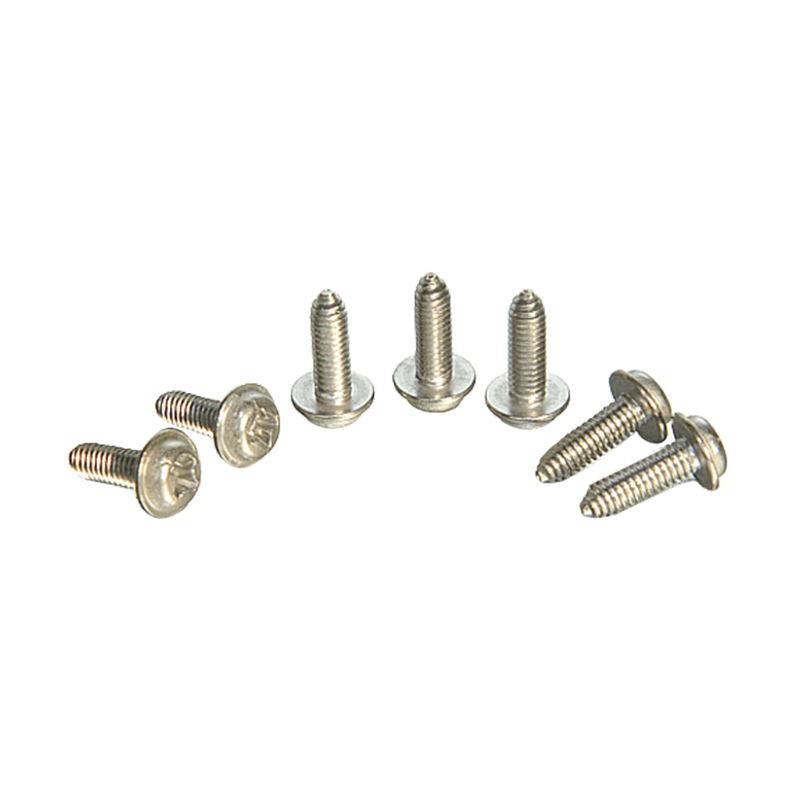
The stability of pressure riveting screws in high or low temperature environments is largely influenced by their material composition. Screws are typically made from metals such as stainless steel, alloy steel, or brass, each offering different thermal and mechanical properties. Stainless steel, for example, has good resistance to oxidation and maintains strength across a wide temperature range. Alloy steels can be engineered to resist deformation under extreme heat or cold, while brass offers corrosion resistance and moderate thermal stability. The choice of material is crucial in determining how the screws respond to expansion, contraction, and stress under varying temperature conditions, ensuring that they perform reliably in both industrial and domestic applications.
Thermal Expansion and Contraction Considerations
Pressure riveting screws are subject to thermal expansion and contraction when exposed to high or low temperatures. If the screws are not designed to accommodate these changes, they may loosen, deform, or compromise the integrity of the joint. Manufacturers often select metals with low thermal expansion coefficients or apply surface treatments that reduce the impact of temperature fluctuations. Properly engineered screws maintain their clamping force and mechanical stability, ensuring that assembled components remain secure even under significant temperature shifts. This stability is essential in applications ranging from electronics to automotive and industrial equipment.
High Temperature Performance
At elevated temperatures, materials may experience softening or reduced tensile strength. Pressure riveting screws made from heat-resistant alloys or treated metals retain their mechanical properties in high-temperature conditions. These screws resist loosening due to thermal expansion and maintain the integrity of the assembly over time. Surface treatments such as plating or passivation can further enhance resistance to oxidation or corrosion that may accelerate under heat. Proper selection and testing of screws for high-temperature applications are crucial to ensure consistent performance and prevent premature failure of the fastened components.
Low Temperature Performance
In low-temperature environments, materials may become brittle or less ductile, increasing the risk of cracking or fracture under load. Pressure riveting screws manufactured from materials with good low-temperature toughness, such as specific grades of stainless steel or treated alloys, maintain stability and strength in cold conditions. The design and geometry of the screw, including thread depth and head shape, also contribute to performance by distributing stress evenly and reducing localized points of potential failure. Low-temperature stability is particularly important in applications such as refrigeration, outdoor installations, or high-altitude equipment where extreme cold can affect conventional fasteners.
Temperature Performance Characteristics of Common Screw Materials
| Material | High Temperature Resistance | Low Temperature Resistance | Key Advantage |
|---|---|---|---|
| Stainless Steel | Maintains strength up to ~500°C | Good toughness down to -100°C | Corrosion resistance and thermal stability |
| Alloy Steel | Resistant to deformation under heat | Moderate toughness in cold conditions | Customizable mechanical properties |
| Brass | Moderate resistance, softening above ~200°C | Maintains ductility at low temperatures | Corrosion resistance and ease of fabrication |
Surface Treatments and Coatings
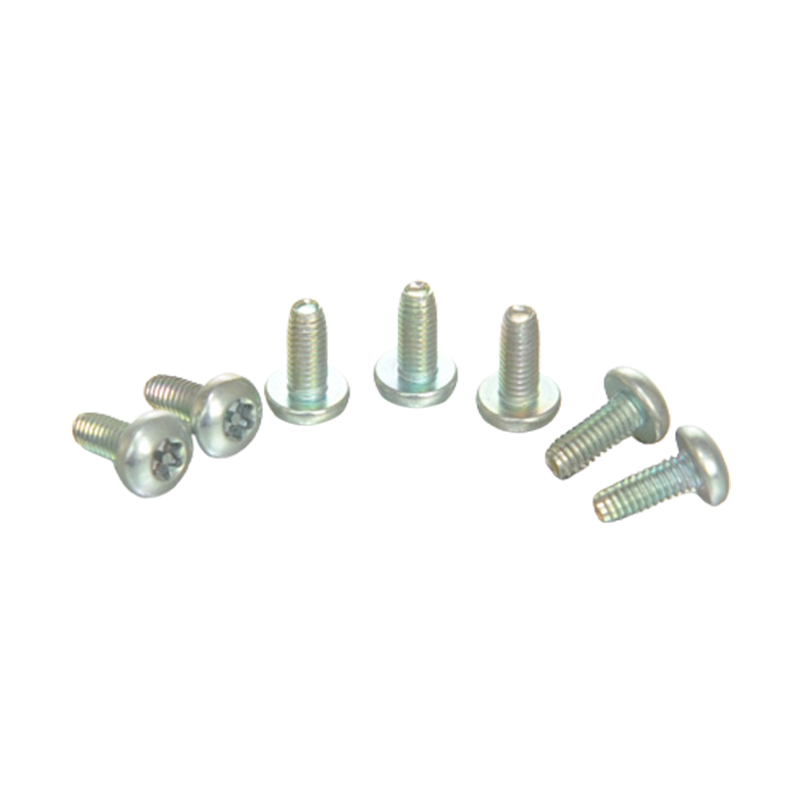
Surface treatments play a significant role in the performance of pressure riveting screws under temperature extremes. Coatings such as zinc plating, nickel plating, or black oxide can enhance corrosion resistance and reduce oxidation at high temperatures. Fluoropolymer or other protective coatings may also be applied to maintain surface integrity and reduce friction in cold environments. These treatments help the screws retain functional properties, prevent environmental degradation, and maintain consistent torque and clamping force. Properly applied surface coatings complement the base material to ensure long-term stability under varying thermal conditions.
Design Considerations for Temperature Stability
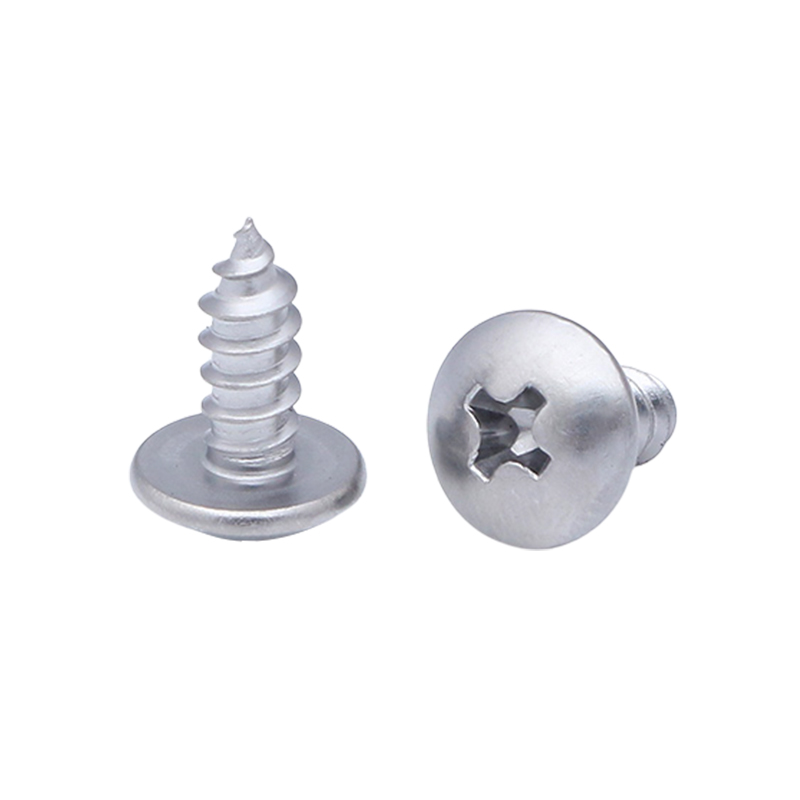
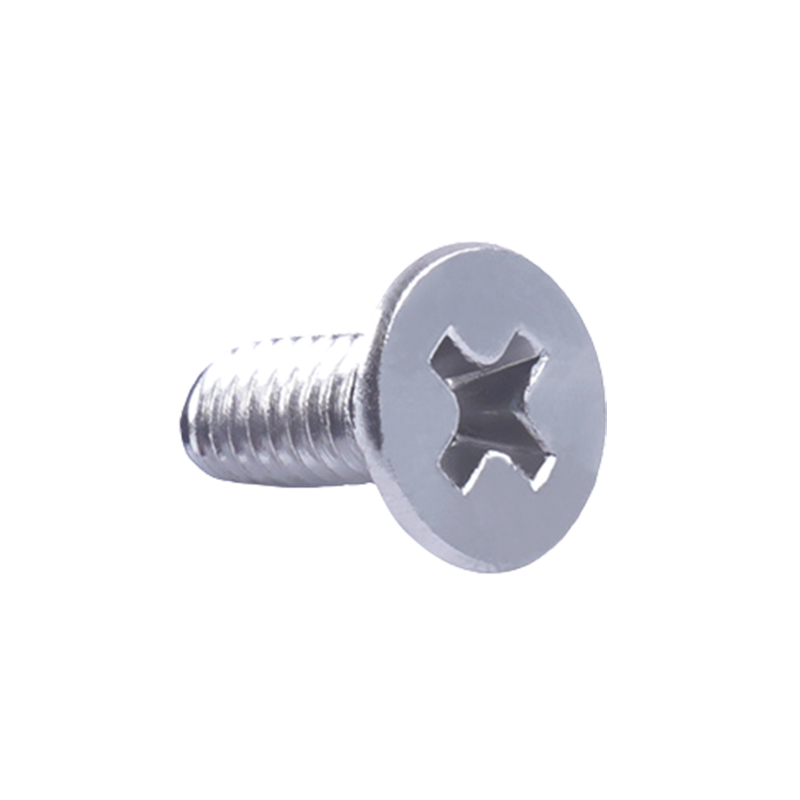
The geometric design of pressure riveting screws affects their stability under high and low temperatures. Thread pitch, length, diameter, and head design are engineered to distribute stress evenly and reduce the risk of deformation or loosening. Screws used in thermal cycling environments may include features such as tension relief grooves or self-locking mechanisms to maintain joint integrity. The combination of optimized material selection, surface treatment, and precise design ensures that the screws perform consistently across a wide range of temperatures without compromising the assembled structure.
Testing and Quality Assurance
To ensure reliable performance, pressure riveting screws are subjected to rigorous testing under simulated temperature conditions. Thermal cycling tests evaluate how screws behave during repeated heating and cooling, while tensile and shear tests measure mechanical strength under extreme conditions. Quality assurance protocols include inspection for microcracks, thread deformation, and surface defects that may compromise performance. By adhering to standardized testing procedures, manufacturers can provide fasteners that meet the demands of high-temperature and low-temperature applications, giving end-users confidence in long-term stability and safety.
Applications Requiring Temperature-Stable Screws
Pressure riveting screws are used in a wide variety of industries where temperature extremes are common. High-temperature applications include engine assemblies, industrial ovens, and heat exchangers, where screws must maintain clamping force despite thermal expansion. Low-temperature applications include refrigeration units, cold storage facilities, and outdoor structures in cold climates, where screws must resist brittleness and maintain secure fastening. The adaptability of pressure riveting screws to different temperature environments makes them suitable for both industrial and residential applications, ensuring the stability and safety of assembled components.
Maintenance and Best Practices
Even with temperature-resistant materials and designs, proper installation and maintenance are important for long-term performance. Screws should be tightened to recommended torque specifications, and assemblies should be inspected regularly for signs of loosening or corrosion. In environments subject to extreme temperature cycles, periodic checks can prevent failure due to fatigue or material degradation. Lubricants or anti-seize compounds may also be used to maintain torque consistency and prevent galling in high or low temperature applications. Following these practices helps maintain the stability and functionality of pressure riveting screws over extended use.