 English
 Español
 日本語

A screw that backs out of a metal joint is usually losing clamp load, not grip. Vibration, thermal cycling, or embedding lets the threads move, and the fastener follows. The practical answer to how to keep screws from coming loose in metal is to restore preload first, then add a locking method that matches the joint's vibration, temperature, and service needs. A threadlocker helps, but it cannot replace correct torque and joint design.
Why Metal Joints Lose Preload
Metal joints lose preload in four common ways: transverse vibration, relaxation, settlement, and differential thermal expansion. Transverse vibration is the main back-out driver because it briefly reduces clamp load and lets the threads rub against each other. Relaxation happens when the screw stretches or the clamped parts creep. Settlement occurs when rough surfaces, coatings, or soft washers flatten under load. Thermal cycling adds another variable when aluminum, steel, and zinc coatings expand at different rates.
That is why a screw can feel tight today and be loose after a few hundred cycles. A dynamic transverse test such as ISO 16130 or DIN 65151 is often more revealing than a simple pull test because it reproduces the sideways motion that actually causes back-out. Long clamp length, hardened washers, and enough thread engagement all help. Short clamp length, oversize holes, soft washers, and damaged threads make every locking device work harder.
Diagnose before choosing a fix. Look for witness marks, shiny spots, cracked coatings, elongated holes, and thread damage. Check whether the screw is backing out or the joint is settling. Those are different problems.
Start With Preload and Torque, Not a Locking Gadget
The most reliable locking device is clamp load. A correctly tightened screw behaves like a stretched spring: it holds the parts together and keeps the threads in firm contact. Torque is only a way to estimate that stretch, and friction changes the result. The familiar torque formula, torque equals the nut factor times preload times diameter, explains why the same torque can produce very different clamp loads on dry, oiled, zinc-plated, or stainless steel threads.
Use a calibrated torque wrench and a specified lubrication condition. Clean the threads, remove old adhesive or damaged coating, and use hardened washers where the clamped material is soft. In steel, aim for at least one diameter of thread engagement; in aluminum or thin sheet, use more engagement or a threaded insert. Do not chase a higher torque number to stop loosening. Over-torque can yield the screw, crush the joint, or damage the coating.
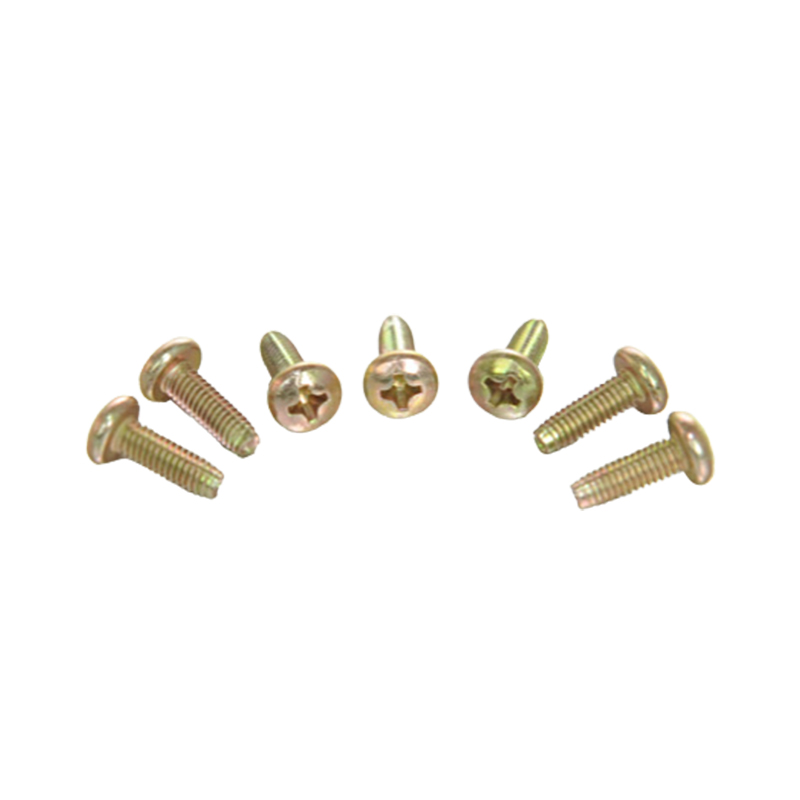
For thin-wall metal, self-tapping or self-drilling screws need the right hole size and drive speed. A hole that is too large reduces thread engagement; a hole that is too small raises drive torque and can strip the threads. A locking-style self-tapping screw helps only when the hole and material thickness are inside its intended range.
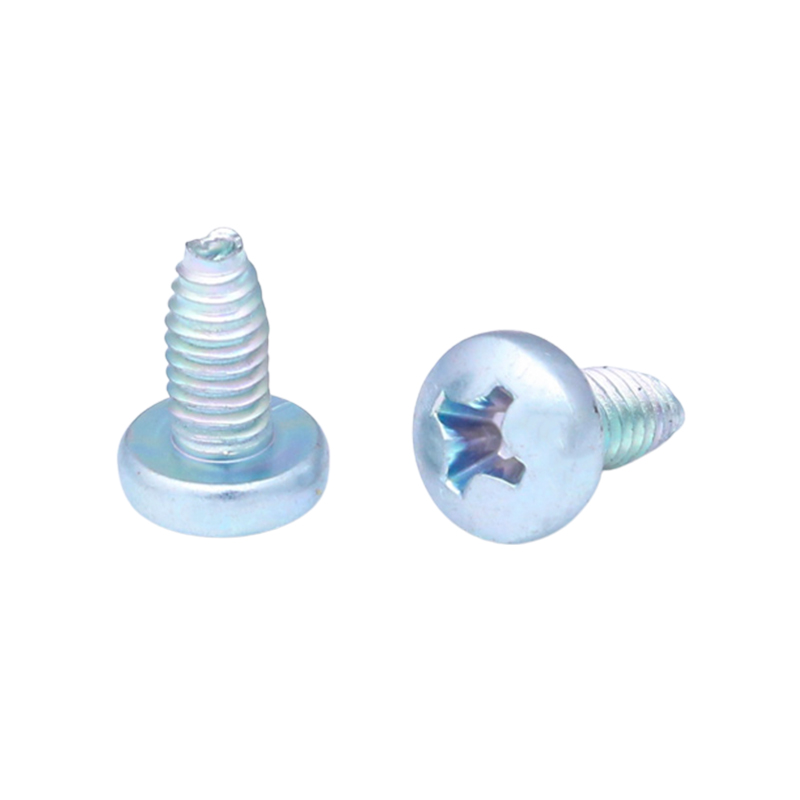
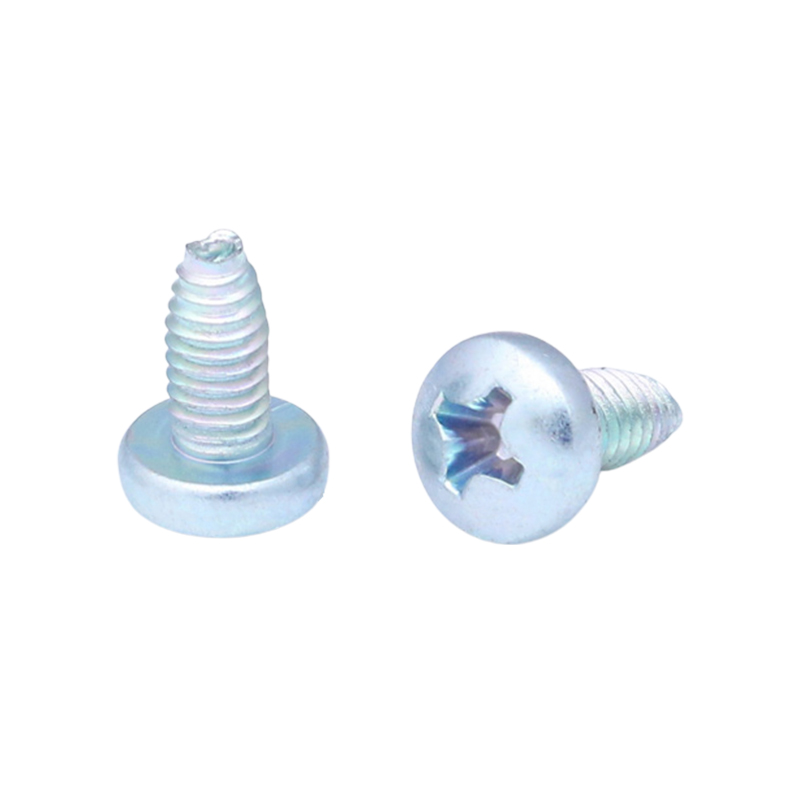
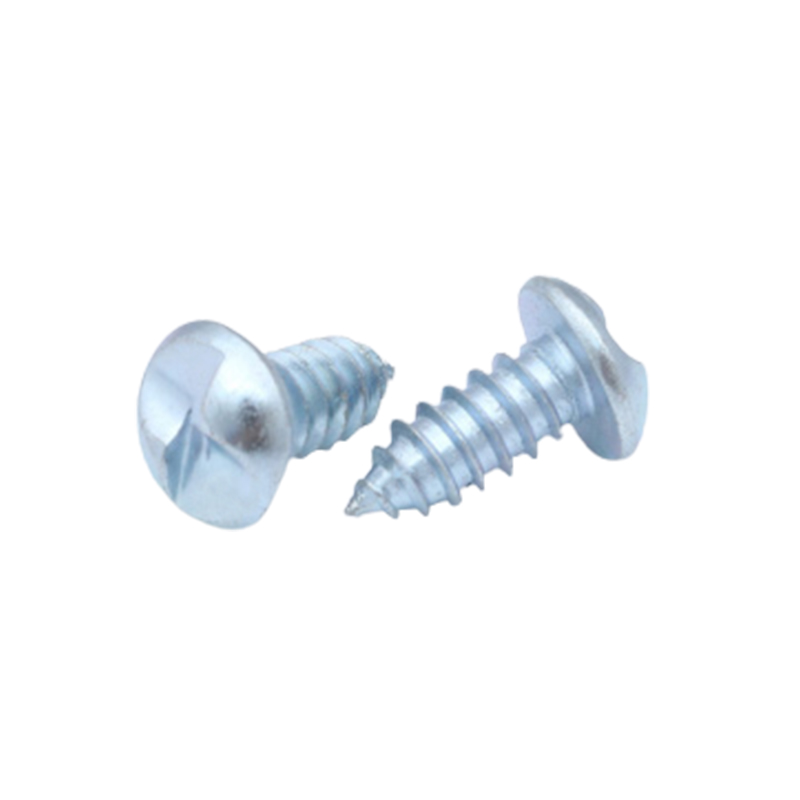
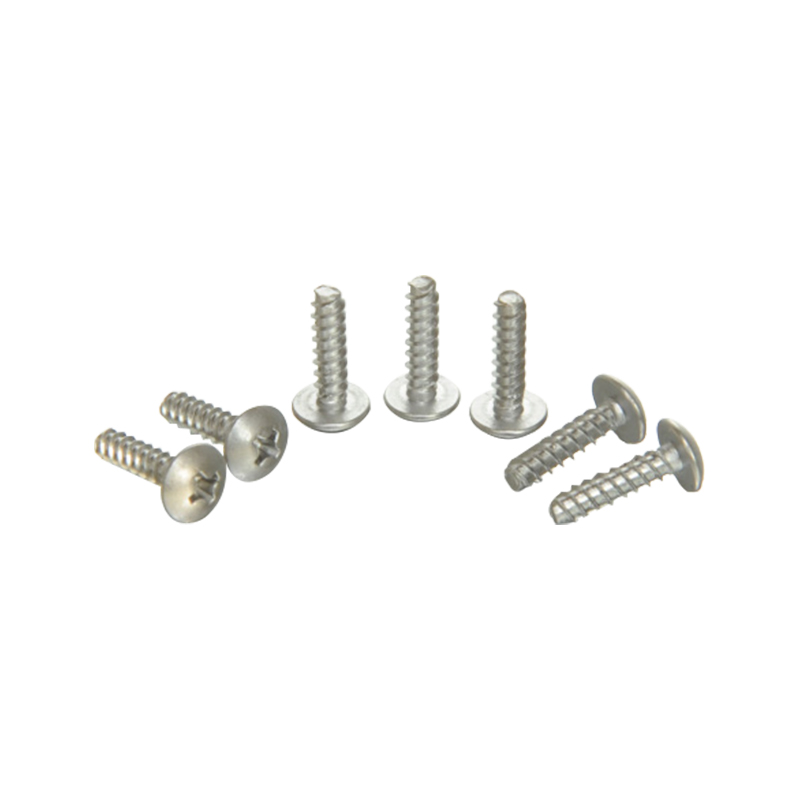
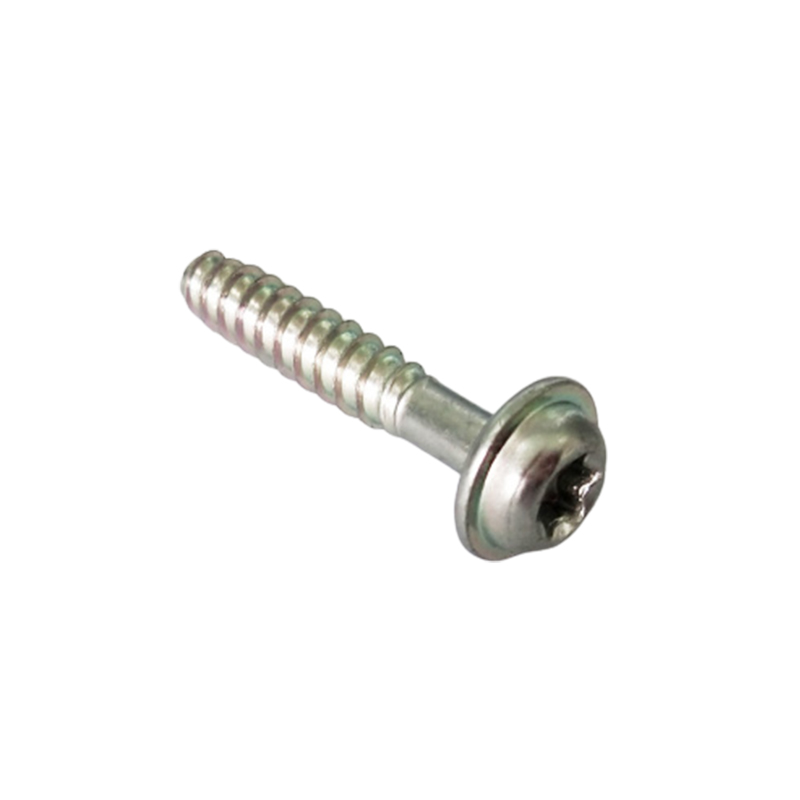
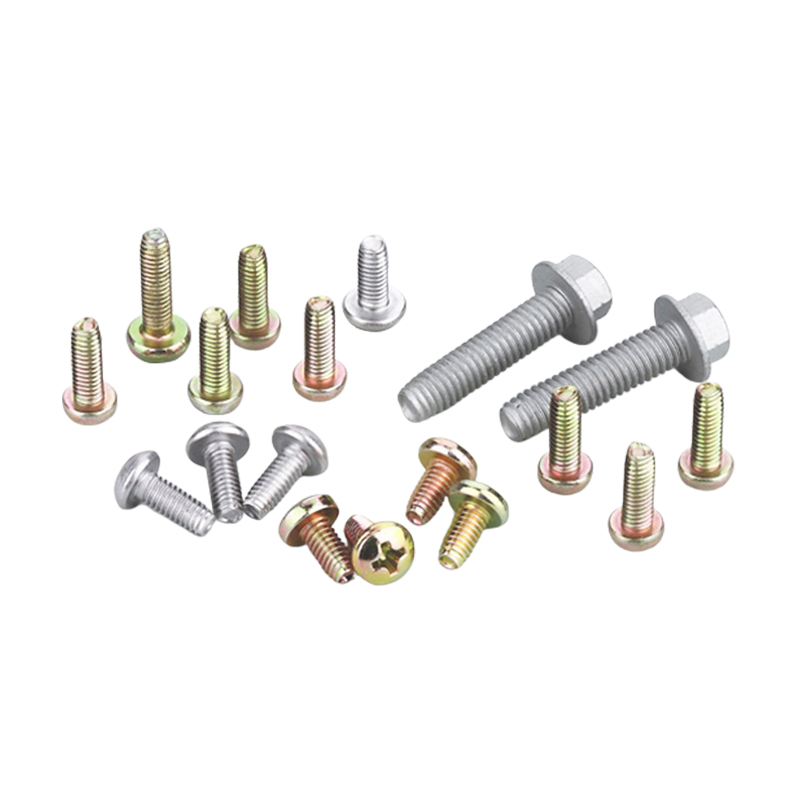 Metal Self-Tapping Lock Screws for Vibration-Prone JointsThese self-tapping lock screws form threads in metal and add a locking feature for vibration resistance, with low screw-in torque and high locking performance.View Product →
Threadlocking Adhesives: Clean, Compatible, and Correct Strength
Anaerobic threadlockers cure in the absence of air and in contact with metal ions. They fill microscopic gaps between threads and resist the small sideways movements that cause back-out. They suit machine screws, small bolts, and joints that see vibration but still need to be serviceable. They are not a gap-filling structural adhesive, and they are not the right choice for every plastic or painted surface.
Surface preparation decides the result. Oil, grease, release agents, and old threadlocker residue weaken the bond. Clean both male and female threads with a suitable solvent, let them dry, and apply a few drops to the thread engagement area, not the entire shank. On inactive metals such as stainless steel, anodized aluminum, or some zinc coatings, use a primer if the manufacturer recommends it. Allow the full cure time before service.
Choose removable strength for parts that will be adjusted, and permanent strength only for joints that are not meant to come apart. Check the service temperature and chemical exposure. A threadlocker that softens at operating temperature is worse than none because it gives a false sense of security.
Mechanical Locking That Resists Transverse Vibration
Mechanical locking works best when it prevents relative motion or adds a positive obstruction. Wedge-locking washers, serrated flange screws, all-metal lock nuts, nylon-insert lock nuts, castle nuts with cotter pins, and safety wire all address different parts of the problem. Wedge-locking washers use paired cams and radial teeth to hold preload under vibration. All-metal lock nuts use thread deformation or a locking insert that survives higher temperatures than nylon. Castle nuts and safety wire provide a visible, positive lock for critical joints.
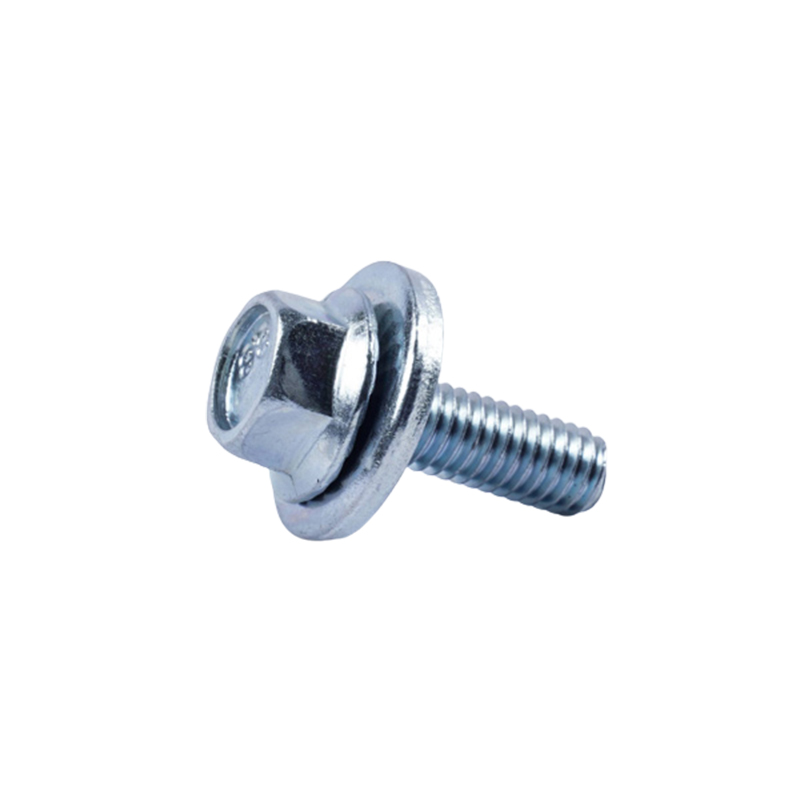
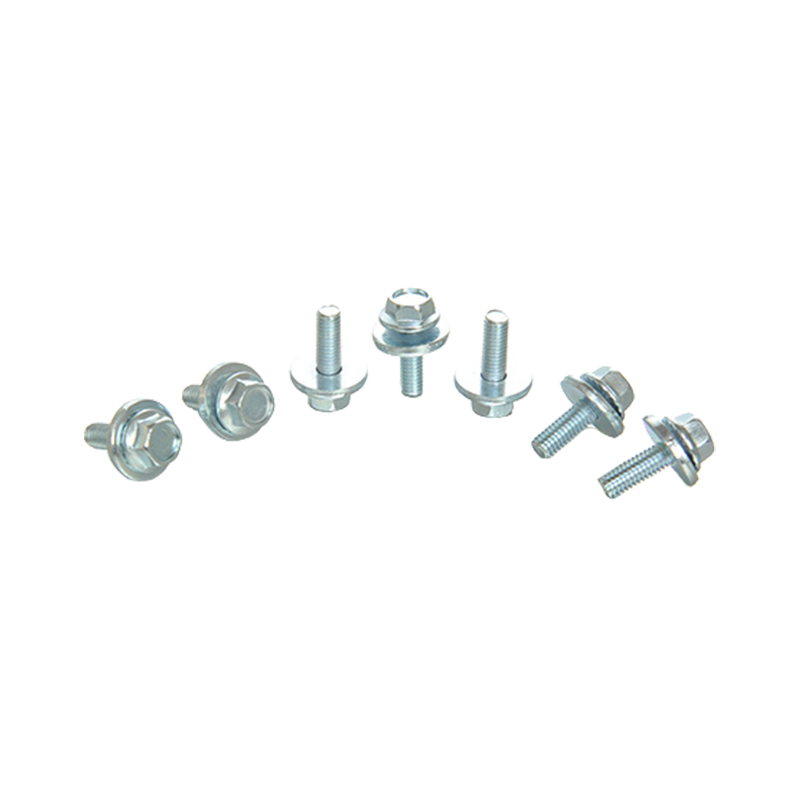
Flange and serrated flange screws are common in sheet metal and equipment because the flange spreads clamp load and the serrations add friction. The geometry matters: flange plates increase the friction area and can reduce the chance of vibration loosening, as explained in this article on how flange plates help prevent vibration loosening. A split lock washer is often used, but it provides limited reliable vibration resistance in critical metal joints. Do not rely on it as the only defense against a high-cycle transverse load.
Prevailing-torque nuts and toothed flange screws are useful where the joint will be serviced. They add friction without making removal impossible. For joints that must not move at all, use a positive mechanical lock and inspect it on a schedule.
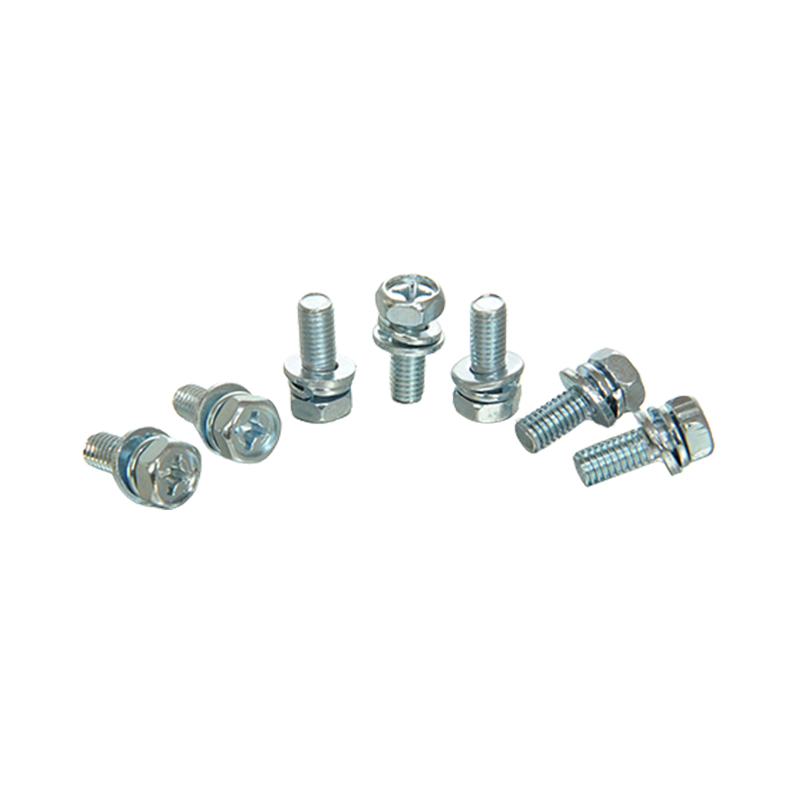
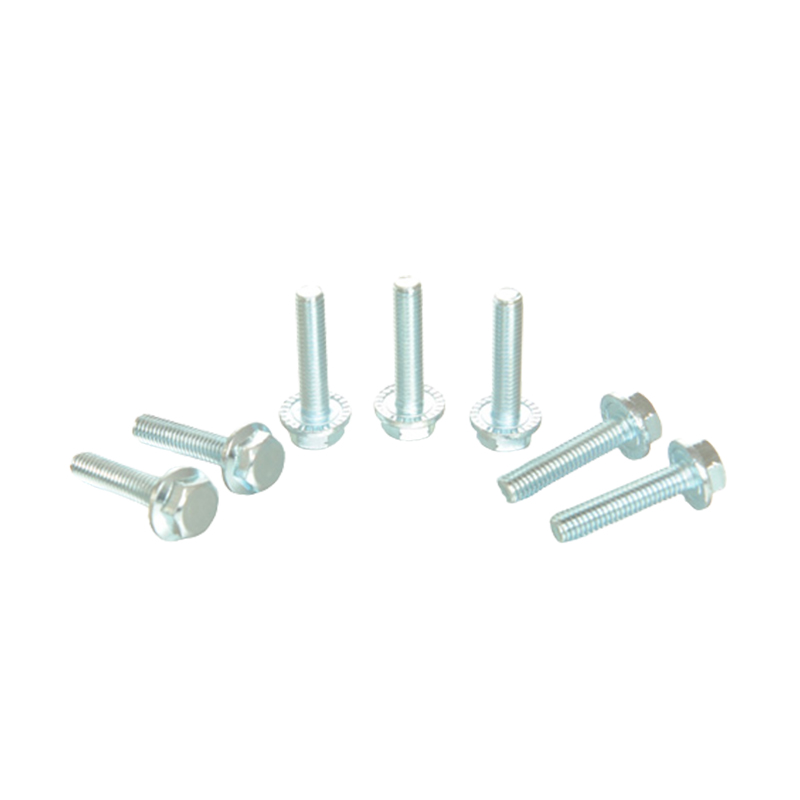 Hexagonal Flange Screws with Gasket and Toothed FeatureThese toothed flange screws add friction for serviceable joints and include a gasket to help seal against fluids, gases, or contaminants.View Product →
A Practical Selection Chart
The chart below is a qualitative comparison, not a guarantee. A well-preloaded joint with a simple locking feature can outperform a poorly installed joint with an expensive one. Use the chart to narrow the options, then verify with the joint's actual vibration, temperature, and removal requirements.
| Method | Best use | Reusable | Removal | Watch-outs |
|---|---|---|---|---|
| Wedge-locking washers | High transverse vibration, critical equipment | Usually yes, if undamaged | Standard tools | Needs hardened mating surfaces and correct orientation |
| Anaerobic threadlocker | Small to medium machine screws, serviceable joints | No, clean and reapply | Removable grade by hand; permanent grade needs heat | Clean threads, cure time, temperature limits |
| All-metal lock nut | Higher temperature, vibration, repeated service | Limited reuse | Wrench | Prevailing torque changes after reuse; check specification |
| Serrated flange screw | Sheet metal, brackets, general equipment | Yes, if teeth and threads are intact | Wrench or driver | Can damage soft or painted surfaces; not a substitute for preload |
| Nylon-insert lock nut | General vibration, moderate temperature | Limited reuse | Wrench | Nylon softens at elevated temperature |
| Split lock washer | Light-duty retention | Usually not recommended | Wrench | Limited reliable vibration resistance in critical joints |
Installation Sequence That Prevents Comebacks
A repeatable installation sequence matters more than a premium fastener used carelessly. The following sequence works for most metal joints.
- Clean the threads and mating surfaces. Remove oil, grit, old adhesive, and loose coating.
- Inspect for damaged threads, elongated holes, cracked washers, and worn driver recesses.
- Confirm the hole size, thread engagement, and fastener length for the material thickness.
- Apply the chosen locking method exactly as specified. Use primer or activator only when required.
- Tighten with a calibrated tool to the specified torque and lubrication condition. Use a torque sequence for multi-fastener joints.
- Mark the fastener with a torque stripe or paint pen, then re-check after the first thermal cycle or a defined run-in period.
After assembly, watch for witness marks that move, coating wear around the head, or a sudden change in torque. A joint that loosens once may be settling. A joint that loosens repeatedly needs a design change, not more adhesive.
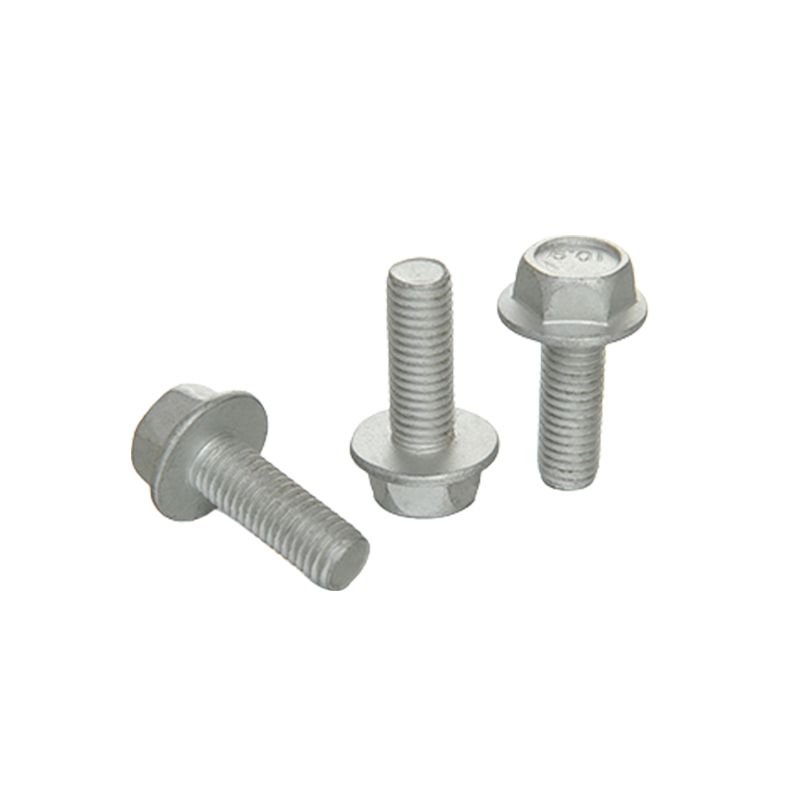 Dacromet Hexagon Flange Screws for Corrosive EnvironmentsThese hex flange screws use a Dacromet coating for corrosion resistance in harsh conditions and an integrated flange to distribute load.View Product →
When to Re-Engineer the Fastener
If the same joint loosens after two or three corrective attempts, stop treating it as an installation problem. Increase the clamp length, add a hardened washer, change to a flange or wedge-locking design, reduce hole clearance, or specify a coating with better friction consistency. In aluminum, use a threaded insert or a larger engagement length. In high-temperature areas, move away from nylon inserts and choose all-metal locking. In corrosive areas, a zinc-flake coating and the right lubricant can keep torque consistent and reduce seizing.
A fastener supplier with in-house heat treatment, thread rolling, torque testing, and salt-spray testing can help control these variables. Standards such as GB, ANSI, DIN, and ISO give a common language for dimensions and property classes, while RoHS compliance matters for export markets. For custom work, the supplier should review the drawing, sample, mating material, and installation torque rather than simply match a thread size.
The goal is not to make removal impossible. The goal is to keep clamp load stable through the service life of the joint, then allow maintenance when it is needed. Correct preload, a compatible locking method, and a clean installation will solve most metal screw loosening problems before they become a recurring failure.