 English
 Español
 日本語
日本語

The Metallurgical Imperative of Zinc-Flake Inorganic Passivation
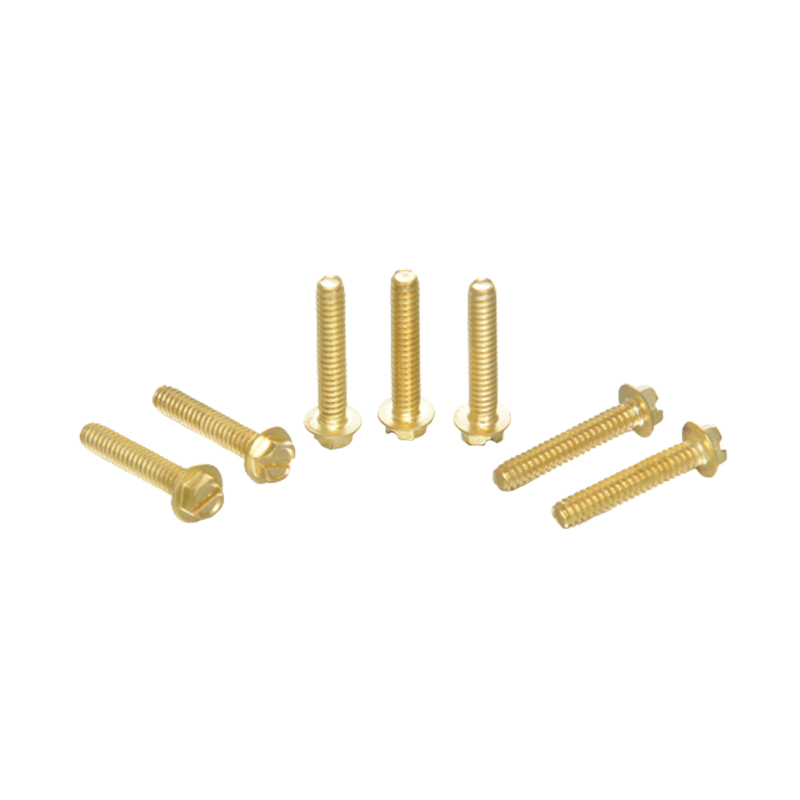
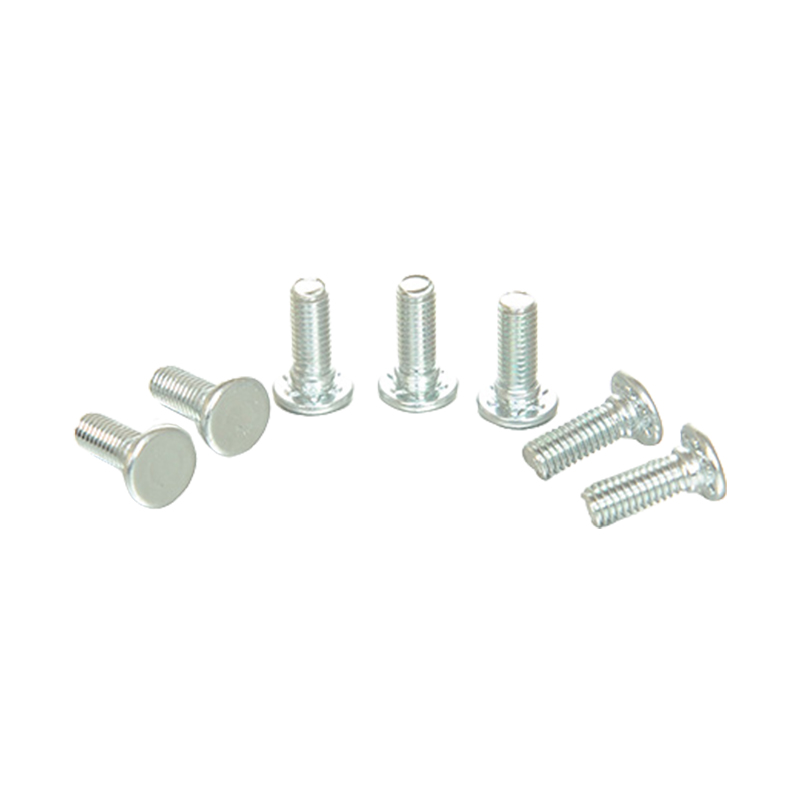
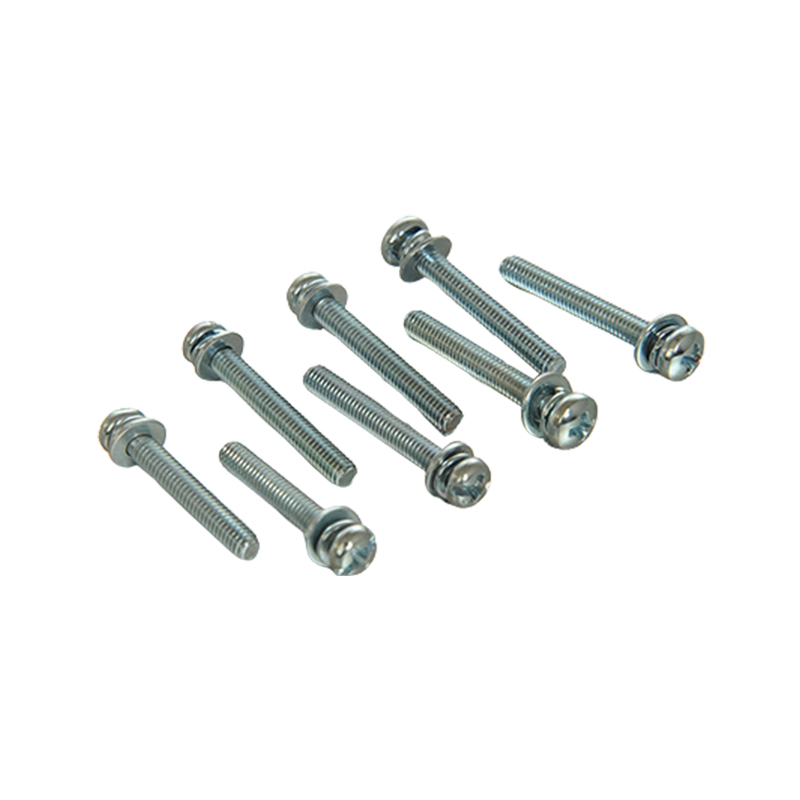
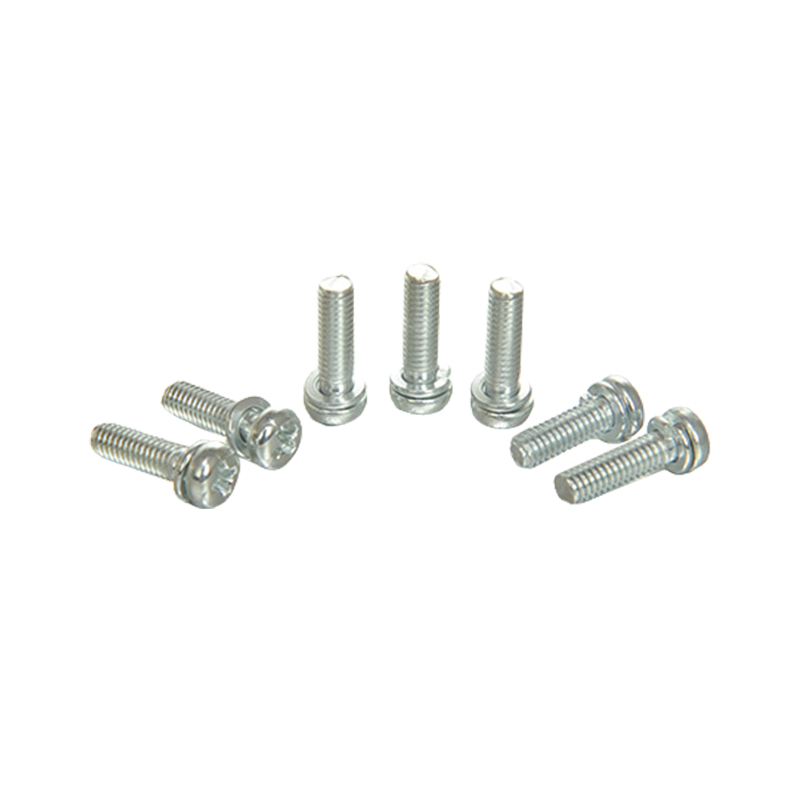
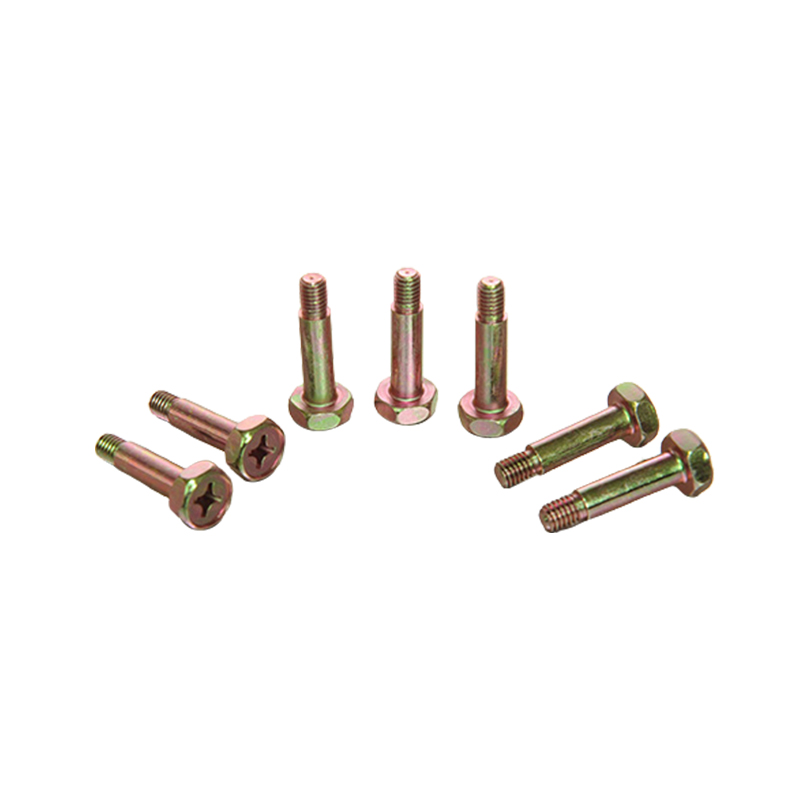
Specifying high-tensile dacromet socket screws provides industrial structural engineers, automotive powertrain designers, and marine equipment manufacturers with a definitive, hydrogen-embrittlement-free fastening matrix capable of withstanding extreme environmental corrosion without compromising core mechanical strength. By overlaying high-grade steel fasteners with an inorganic zinc and aluminum flake passivation coating layer, these specialized hex-drive components establish a non-electrolytic protective skin. This coating architecture delivers a highly resilient barrier that consistently endures over 1,000 hours of continuous salt spray exposure (ASTM B117) with zero red rust propagation, completely surpassing the performance boundaries, thread-clearance limitations, and structural fatigue vulnerabilities intrinsic to traditional hot-dip galvanizing and electro-zinc plating processes.
Within heavy industrial engineering assemblies, managing high-preload torque requires fasteners that maintain uniform friction characteristics alongside absolute defense against atmospheric oxides. High-strength socket head cap screws (typically rated at Class 10.9 or 12.9) are highly vulnerable to catastrophic stress failures when subjected to acid-pickling or chemical plating baths due to the forced absorption of atomic hydrogen. Transitioning to a dip-spin baked zinc-flake layer resolves these sudden failure risks by using non-acidic mechanical preparation methods. This surface protection mechanism keeps the core steel completely stable while ensuring a smooth, highly predictable torque-tension relationship during automated high-speed tool installations.
Coating Chemistry and Multi-Layer Overlapping Flake Dynamics
The long-term atmospheric isolation and self-healing traits of Dacromet-coated components are achieved through a unique chemical composition consisting of overlapping metal platelets held inside a matrix of inorganic binders.
Overlapping Passivation Barriers
The coating layer is composed of thousands of micro-thin aluminum and zinc flakes arranged in a multi-layered, overlapping pattern parallel to the steel surface. This arrangement creates a highly convoluted pathway that effectively blocks moisture, salt ions, and corrosive chemicals from reaching the base metal. The total coating thickness remains thin, usually between 5 to 15 micrometers, preserving tight thread tolerances without requiring oversized tapped holes.
Active Galvanic and Self-Healing Sacrificial Protection
If the screw surface is scratched or damaged by tools during assembly, the zinc flakes near the exposed area corrode sacrificially to shield the underlying steel. Additionally, the zinc oxidation products naturally expand into the micro-scratch, self-healing the surface barrier to prevent corporate rust creep under the coating layer.
Comparative Technical Evaluation: Dacromet Socket Screws vs. Hot-Dip Galvanizing vs. Zinc Electroplating
Selecting the optimal heavy-duty fastener finish requires comparing salt spray performance against thread clearance profiles, hydrogen embrittlement risks, and thermal stability ranges. The table below outlines the operational boundaries across the three dominant steel fastener protection systems.
| Engineering Parameter Profile | Dacromet Zinc-Flake Socket Screws | Hot-Dip Galvanized Screws | Standard Electrolytic Zinc Plating |
|---|---|---|---|
| Salt Spray Red Rust Resistance | Maximum (1,000 to 1,500 Hours) | High (500 to 800 Hours) | Low (48 to 96 Hours before Rusting) |
| Hydrogen Embrittlement Risk Index | Absolute Zero (Non-Acidic Processing) | Low (Thermal Release via Molten Bath) | Critical High (Acid Cleaning Triggers Hydrogen Entry) |
| Average Coating Film Thickness | Ultra-Thin (5 μm - 15 μm Film Profile) | Thick / Uneven (40 μm - 80 μm Globs) | Thin (3 μm - 8 μm Cosmetic Layer) |
| Continuous Operating Temp Limit | 300°C (Maintains Solid Coating Integrity) | 200°C (Peels Under Continuous Thermal Stress) | 60°C (Rapid Chromate Layer Dehydration) |
| Thread Fitment Integrity Profile | Excellent (Bypasses Post-Coating Chasing) | Poor (Requires Oversized Tap Thread Adjustments) | Excellent (Maintains Original Dimensions) |
The data comparison underscores a clear engineering division in fastener finish performance. Hot-dip galvanizing provides excellent thick-film defense for large, structural steel beams, but it leaves thick, uneven globs within the recess pockets of precision internal-hex socket drives, making them impossible to engage with tools. Zinc electroplating offers an attractive finish for interior enclosures but fails rapidly under exterior moisture. Inorganic zinc-flake coatings bridge this gap by providing maximum corrosion protection within a thin, uniform layer that maintains the physical fit and drive integrity of socket head fasteners.
Advanced Drive Geometry and Torque Friction Control Features
Modern zinc-flake socket screws incorporate specialized physical configurations to ensure predictable torque loads and smooth automated assembly operations.
- Inorganic Lubricant Additives: The raw coating mixture is blended with integrated polytetrafluoroethylene (PTFE) or specific friction modifiers. This addition locks the coefficient of friction to a tight range between 0.12 and 0.18, eliminating the risk of stick-slip galling during assembly.
- Deep-Set Hexagonal Drive Pockets: The internal hex drive profiles are stamped with precise tolerances before coating. The thin dip-spin fluid layer coats the socket inner walls evenly, allowing standard hex keys or power bits to fit perfectly without slipping or stripping the drive corners.
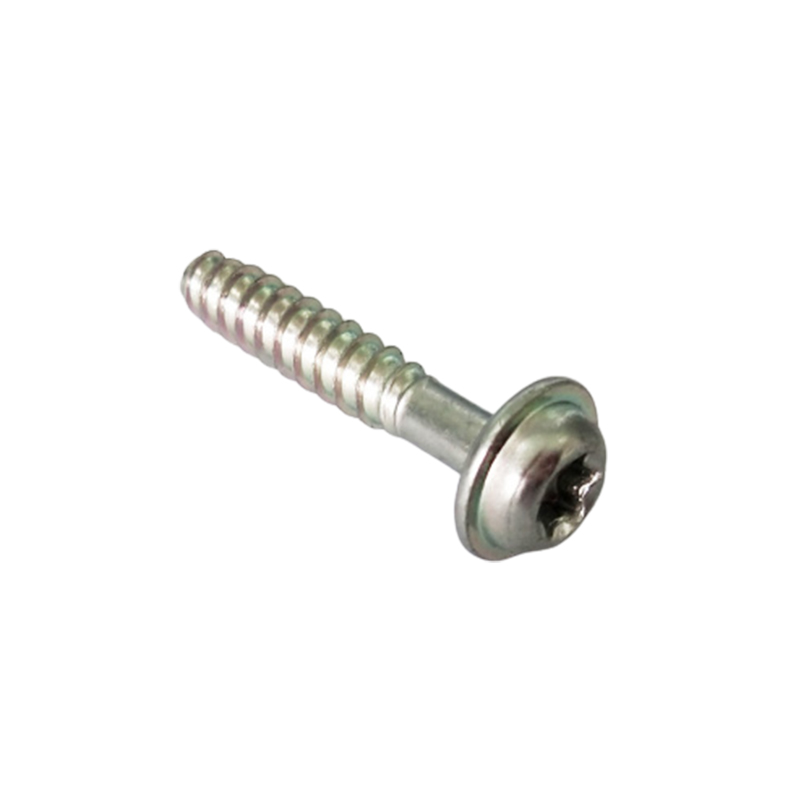
- Under-Head Bearing Flanges: High-spec socket screw variations feature a molded washer-face flange below the cylindrical head. This design spreads high clamping forces over a wider surface area, minimizing localized compression and protecting aluminum component surfaces from crushing.
Step-by-Step Production Application and Quality Validation Protocol
Because variations in thickness can cause thread binding or reduced salt spray defense, processing plants apply the inorganic flake matrix using a strict, automated sequence.
- Mechanical Blast Cleaning: Load raw alloy socket steel screws into an automated wheel-blast machine. Blast the components with fine steel shot grit to clear mill scale and oxides mechanically, bypassing acid baths to ensure zero hydrogen absorption.
- Dip-Spin Liquid Immersion: Transfer the clean screws into a perforated mesh basket and submerge it in an aqueous liquid bath filled with dissolved zinc and aluminum flakes.
- Centrifugal Excess Fluid Spin-Off: Lift the immersion basket out of the liquid and spin it at high speeds (typically 300 to 500 RPM) for a calibrated duration. This spinning forces excess fluid off the parts via centrifugal force, ensuring a thin, uniform layer across the threads.
- Thermal Pre-Heating and Curing: Convey the wet screws through an industrial tunnel oven. Pre-heat the components at 120°C to evaporate water carriers, then ramp up the temperature to bake and cure the layer at 300°C to form a bonded ceramic-like matrix.
- Magnetic Induction Thickness Verification: Sample finished screws from the batch and measure their coating thickness using a non-destructive magnetic induction gauge, ensuring the protective layer measures consistently between 8 to 12 micrometers.
Mitigating Galvanic Dissimilarity and Managing Contact Scratches
While zinc-flake coatings provide excellent autonomous protection, combining them with incompatible metals or using incorrect assembly practices can degrade the joint over time.
Preventing Galvanic Corrosion cell Coupling
Driving zinc-flake coated steel socket screws into noble metals like carbon fiber composites or passive stainless steel structures can create an aggressive galvanic couple in wet environments. The large voltage difference accelerates the consumption of the zinc flakes, depleting the coating's sacrificial protection prematurely. To prevent this accelerated breakdown, designers should apply an additional topcoat sealer or insert non-conductive polyamide washers to break the electrical connection between dissimilar materials.
Controlling Mechanical Recess Scrape Oxidation
Using worn, loose-fitting drive bits in high-torque power tools can scar and scrape the inner corners of the hex drive pocket during assembly. These deep scratches slice through the overlapping flake layers down to the raw steel, creating a localized site for early oxidation. Assembly teams can avoid this premature rusting by using hardened, precision-fit drive bits and setting torque clutches to a smooth, continuous ramp-up curve, ensuring the protective coating stays intact.