 English
 Español
 日本語
日本語

A supplier quote for the same screw drawing comes back with two material lines: 305 stainless steel at one price, and 316 stainless steel running 15 to 30 percent higher. Which one should you approve? The decision usually comes down to a single alloying element and a single question. Molybdenum, added at 2 to 3 percent in 316, is what protects fasteners against pitting in chloride-rich environments, so 316 is the right specification anywhere near saltwater, swimming pools, de-icing salt, or chemical and brine service. Grade 305, by contrast, is a modified 304 built for fastener manufacturing: its higher nickel content slows work hardening so screw heads form cleanly on cold-heading machines, while its corrosion behavior in ordinary atmospheres is essentially the same as 304. Match the grade to the exposure, not to the price tag, and the rest of the comparison falls into place.
Chemical Composition: One Element Sets the Two Grades Apart
Both grades belong to the austenitic chromium-nickel family that buyers commonly shorthand as 18-8 stainless steel, after its roughly 18 percent chromium and 8 percent nickel content. The shared family name is where much of the confusion in quotations starts, because 305 and 316 carry similar chemistry on paper yet behave very differently in wet, salty service.
Grade 305 is best understood as 304 tuned for fastener production. Its nickel runs higher, roughly 10.5 to 13 percent, which slows the rate at which the alloy hardens while it is being deformed. On a cold-heading machine, that translates into heads that form in fewer blows, cross recesses that keep crisp geometry, and die life that stretches across longer production runs.
Grade 316 keeps comparable chromium and nickel but adds 2 to 3 percent molybdenum. Molybdenum toughens the passive chromium-oxide film against chloride attack, which is the chemistry behind the pits and rust-colored streaks that disfigure fasteners near the sea. Its carbon is capped slightly lower as well, limiting sensitization in welded assemblies.
| Element | 305 (%) | 316 (%) | Practical Effect |
|---|---|---|---|
| Carbon | 0.12 max | 0.08 max | Lower carbon in 316 limits sensitization in welded assemblies |
| Chromium | 16.5 - 18.0 | 16.0 - 18.0 | Forms the passive oxide film in both grades |
| Nickel | 10.5 - 13.0 | 10.0 - 14.0 | Higher nickel in 305 slows work hardening for cold heading |
| Molybdenum | None | 2.0 - 3.0 | The decisive addition for chloride and pitting resistance |
| Manganese | 2.0 max | 2.0 max | Deoxidizer; equivalent in both grades |
| Silicon | 1.0 max | 1.0 max | Deoxidizer; equivalent in both grades |
One row of that table carries the decision. Chromium, nickel, manganese and silicon sit in broadly similar ranges, and the carbon difference is minor at fastener thicknesses. The 2 to 3 percent molybdenum present in 316 and absent in 305 is the single change that separates the two grades once the screws leave the box.
Corrosion Resistance: Where the Grades Part Ways
In dry inland air and ordinary urban atmospheres, 305 performs on par with 304 and holds a presentable surface for years with little more than occasional cleaning. Move the same screw into salt spray or chemical vapor and the picture changes, because 18-8 alloys are vulnerable to pitting and crevice corrosion, the two failure modes that appear first on screws.
Screws are particularly exposed to crevice attack. The gap under the head and the thread roots trap moisture and chlorides in small pockets where the passive film cannot repair itself, and once pitting initiates on an 18-8 fastener in a coastal environment it tends to progress quickly. The molybdenum in 316 resists that initiation, which is why marine construction guidelines treat 316 as the default within roughly three miles of saltwater and in any splash or immersion zone.
Situations That Quietly Call for 316
- Swimming pool structures and spa frames, where chlorinated moisture circulates constantly
- De-icing salt spray along treated roads, which carries chlorides to fasteners far inland
- Food and beverage lines running brines, pickling liquors or salt-heavy products
- Wet service in pressure-treated lumber, where copper-based preservatives attack plain 18-8 fasteners
For a closer look at how the corrosion resistance of stainless steel screws holds up over long service life, our related article covers the mechanisms and maintenance practices in detail.
Strength and Formability: Why Screw Plants Prefer 305
Buyers sometimes assume 316 is the stronger alloy. In the annealed condition the two grades meet nearly identical property requirements, with minimum tensile strength in the region of 515 MPa and minimum yield near 205 MPa, and neither grade can be hardened by heat treatment. Choosing 316 buys corrosion resistance, not load capacity.
Where 305 genuinely separates itself is on the forming line. Its reduced work-hardening rate allows a screw head to be extruded in fewer blows, keeps recessed drive sockets accurate, and helps washer-assembly screws stay consistent through long production runs. That is why fastener plants usually default to 305 when a drawing simply says 18-8: it behaves like 304 in service while forming like a dedicated fastener alloy.
Grade 316 forms acceptably but more stubbornly, and threads in both grades can gall when assembled dry. A light anti-galling compound or a controlled torque practice is worth specifying for either alloy, especially on fine threads and larger diameters.
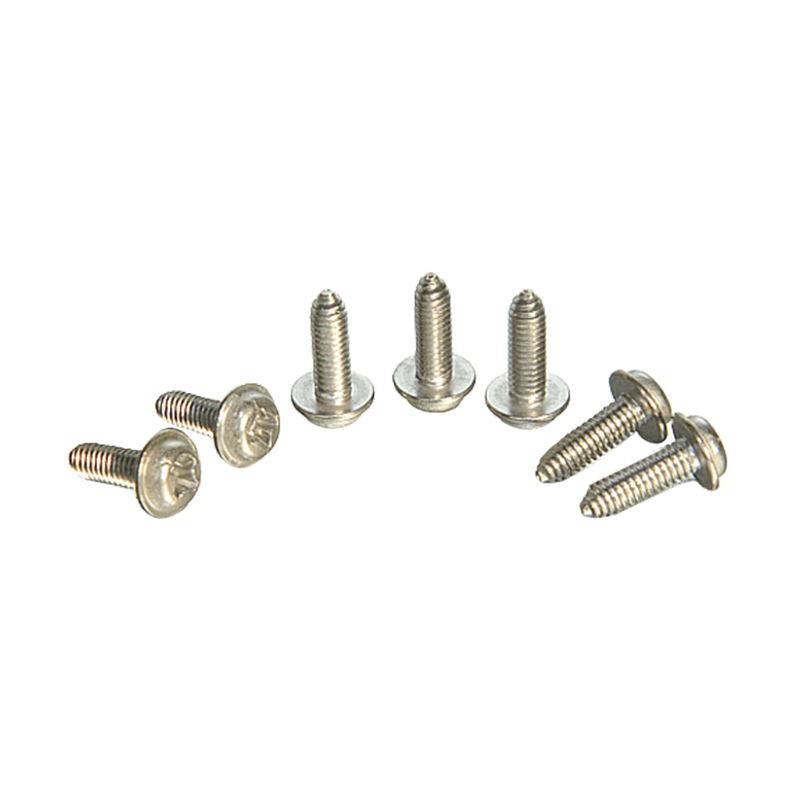
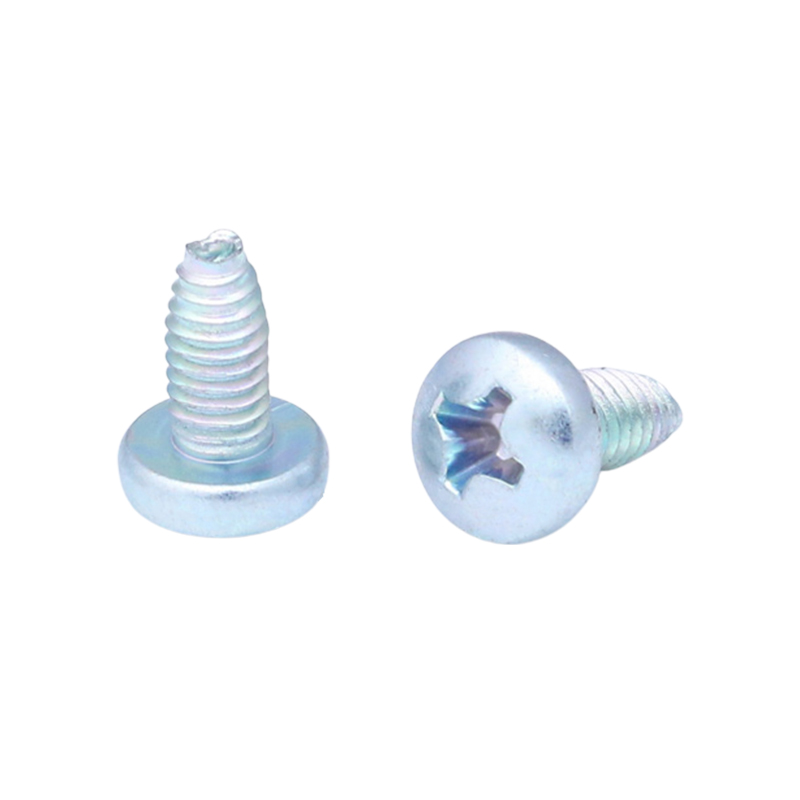
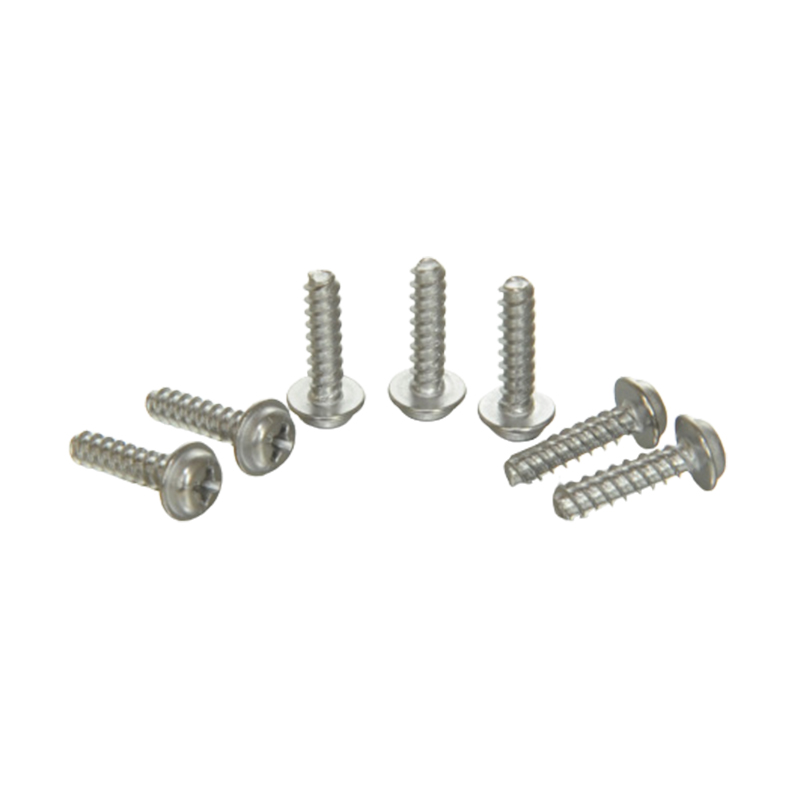 Cross Pan Head With Pad Stainless Steel ScrewAs China Cross Pan Head With Pad Stainless Steel Screw Suppliers and Wholesale Cross Pan Head With Pad Stainless Steel Screw Manufacturers , Ningbo Risheng Fastener Co...View Product →
A Practical Selection Matrix
When the specification is being written down, a simple exposure checklist settles most debates before they start.
| Exposure Environment | Recommended Grade | Reasoning |
|---|---|---|
| Inland buildings, appliances, furniture and fixtures | 305 | Atmospheric performance equivalent to 304 at a lower alloy premium |
| Exterior hardware more than about 10 miles from the coast | 305 | Rain-washed 18-8 surfaces perform well with occasional cleaning |
| Coastal properties within roughly 3 miles of saltwater | 316 | Airborne chlorides drive pitting in 18-8 screws |
| Docks, boat hardware and splash zones | 316 | Continuous salt exposure demands molybdenum |
| Pool and spa structures | 316 | Chlorinated atmospheres attack plain 18-8 fasteners |
| Brine, chemical and salt-storage service | 316 | Chloride-bearing media require pitting resistance |
| Wet service in pressure-treated lumber | 316 preferred | Copper-based preservatives accelerate corrosion of 18-8 alloys |
One rule of thumb keeps projects safe: when a job sits between two rows of the matrix, step up to 316. The premium is small compared with the cost of replacing corroded fasteners embedded in a finished structure.
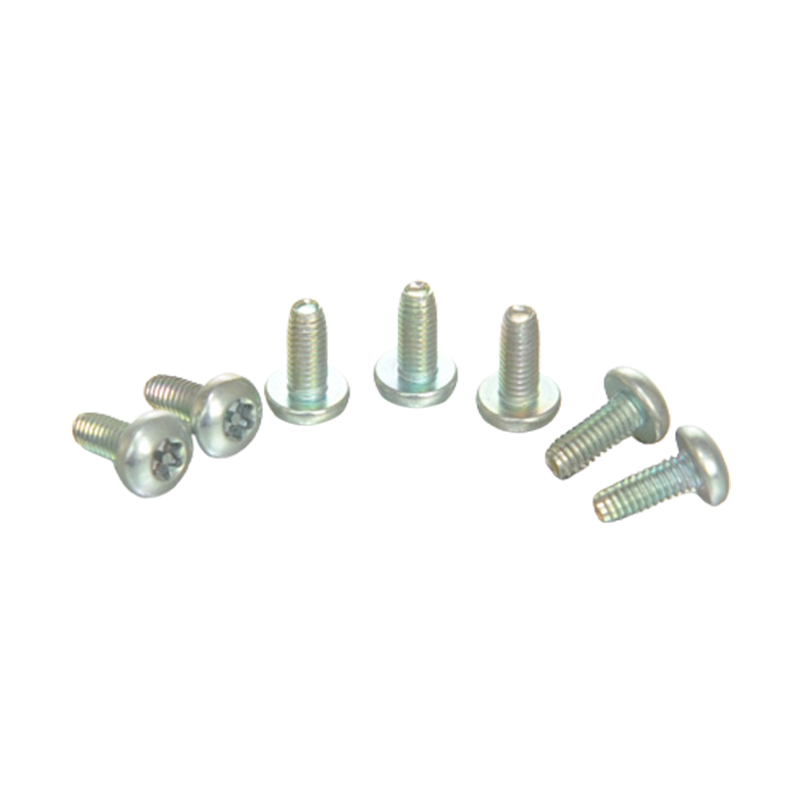
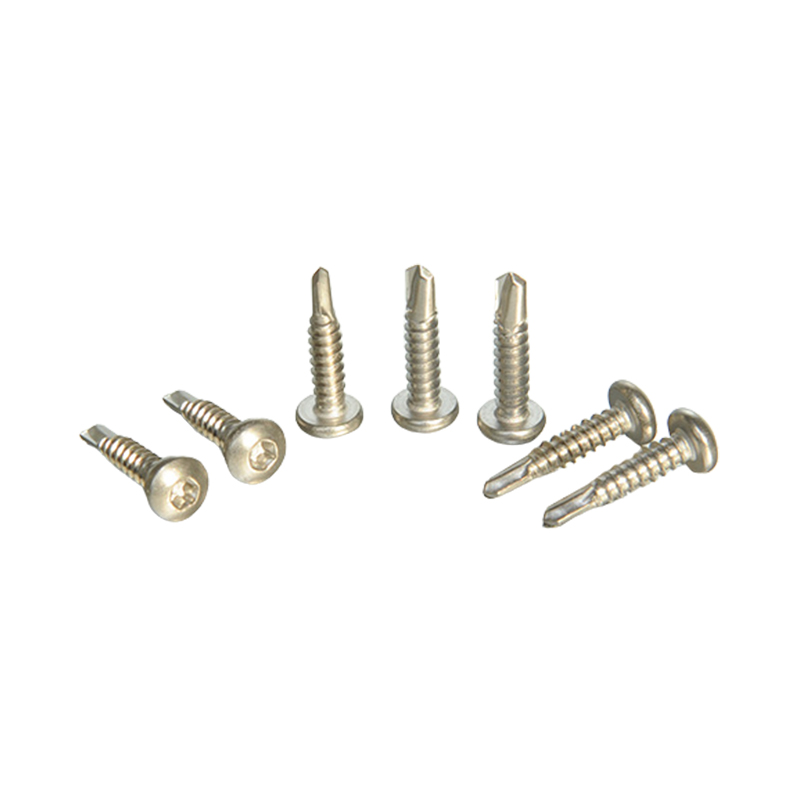 Stainless Steel Hexagon Socket Pan Head Drilling ScrewAs China Stainless Steel Hexagon Socket Pan Head Drilling Screw Suppliers and Wholesale Stainless Steel Hexagon Socket Pan Head Drilling Screw Manufacturers , Ningbo R...View Product →
Cost, Certification and Purchasing Checks
Expect 316 screws to price roughly 15 to 30 percent above their 305 equivalents, driven by the molybdenum addition, with a wider gap when molybdenum markets spike. Availability follows the same pattern: standard catalog screws in 305 and 304 are usually stocked deep, while some 316 head styles carry longer lead times.
Before signing either material line, four checks protect the purchase:
- Specify by standard rather than by nickname, referencing the applicable ASTM, ISO, DIN or GB designation so the word stainless has a testable definition.
- Request mill test reports and read the molybdenum value on the certificate, the single number that verifies a genuine 316 claim.
- Treat the magnet test as a rough screen only, because cold work from heading and threading makes both grades slightly magnetic.
- Ask for salt spray or other corrosion test evidence when the fastener will serve near saltwater or chemicals.
Material grade is only half the specification. Head style, thread pitch and drive selection matter just as much once the environment is settled, and our stainless steel screws range is a good starting point for matching those details to the drawing.
It also pays to confirm that a new fastener source can validate corrosion performance in-house. A supplier with its own salt spray testing can verify a batch before it ships rather than after it fails in the field.
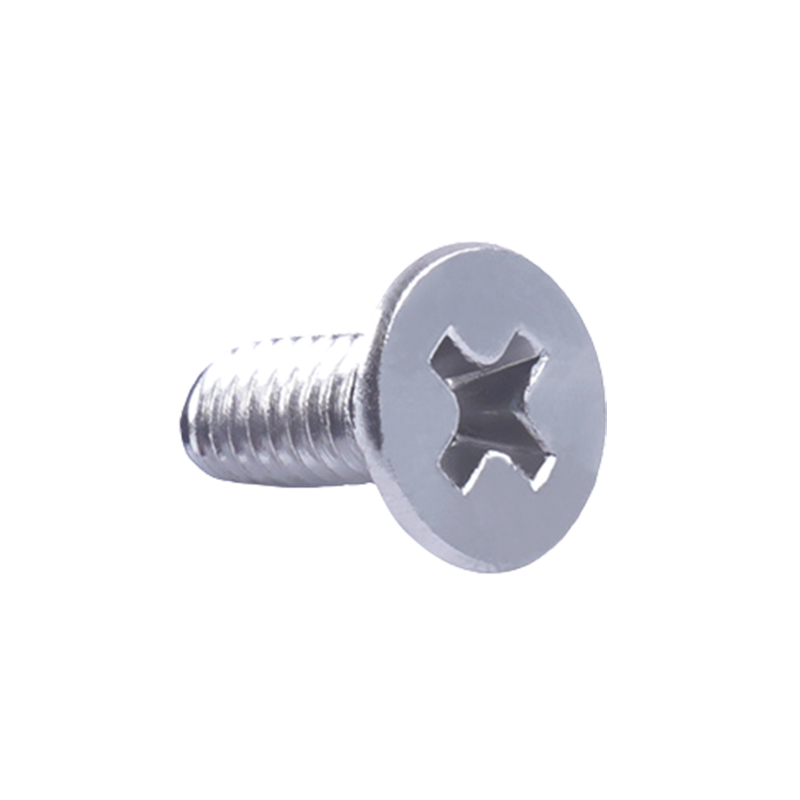
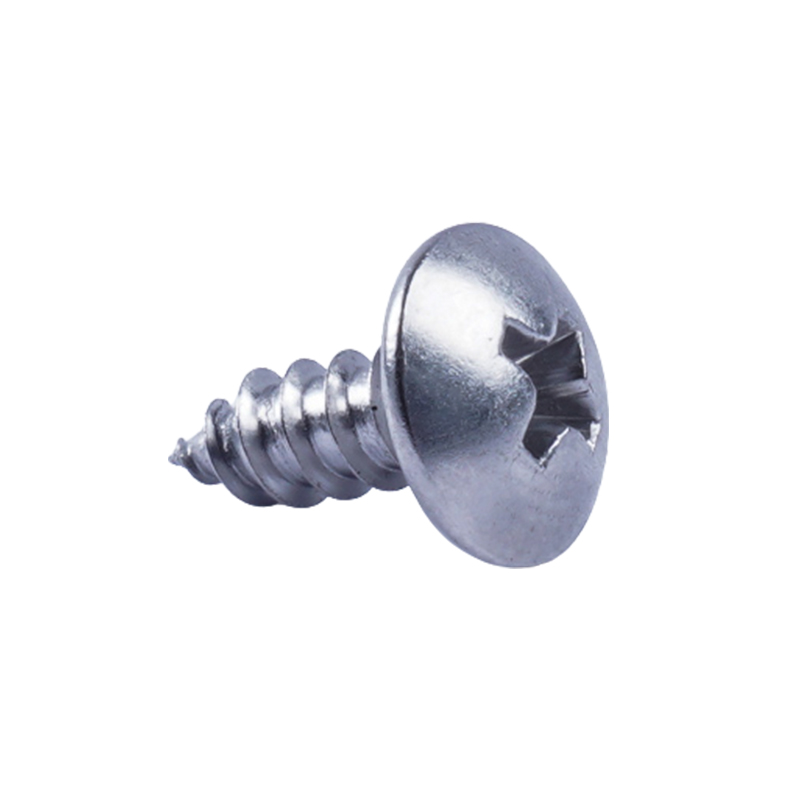 Stainless Steel Cross Large Flat Head Tapping ScrewStainless steel cross large flat head tapping screw is made of stainless steel, which has better durability than other types of screws. The head adopts a cross-recesse...View Product →
The Bottom Line
The comparison compresses into three sentences. Grade 305 is the 18-8 workhorse optimized for cold heading, with corrosion behavior equivalent to 304 in atmospheric service. Grade 316 carries molybdenum, and molybdenum is what stands between a fastener and chloride-driven pitting, so any saltwater, pool, chemical or brine exposure justifies the premium. Everything else, including strength, temperature tolerance and weldability, is close enough that environment, not metallurgy, should drive the choice.
When specifying, write the grade, the standard and the exposure environment directly on the drawing so suppliers quote against a complete requirement. For custom stainless screws with special heads, attached washers or non-standard geometry in either grade, working with a manufacturer that runs cold heading, thread rolling and salt spray testing in-house shortens the path from drawing to a verified first article. Drawings or samples are usually all such a factory needs to quote and produce.