 English
 Español
 日本語
日本語

A factory in Guangdong was assembling stainless steel enclosures, and the purchaser selected mechanically plated carbon steel screws. After shipping to Southeast Asia, the container sat in the tropical heat and humidity for 60 days. When the container opened, several screws were already speckled with rust. The whole batch had to be reworked and replaced. This kind of scenario is far more common than people think. Stainless steel screws are not specified because they cost more or look brighter. They are specified because they keep their mechanical performance and appearance intact under rain, sea spray, and cleaning chemicals. Choosing stainless steel screws is essentially a decision about product life and brand reputation.
Why Stainless Steel Screws Are Worth the Extra Cost
Screw cost is often less than 0.5% of the total material cost of an assembly. But a single mechanical failure caused by a corroded screw can lead to shutdown, repair, freight, and downtime costs that are ten or twenty times the small savings from buying cheaper parts. Stainless steel forms a passive oxide layer through the chromium in the alloy. If the surface is scratched, the layer reforms and protects the metal underneath. This self-healing property is why stainless fasteners outperform carbon steel with zinc plating in outdoor and industrial environments.
Choosing the Right Stainless Steel Grade
The first and most important decision is the alloy grade. The difference in price between grades is small compared to the cost of a failed joint, so the application environment should decide which material you choose.
304/305 vs. 316
304/305 stainless steel is the familiar austenitic grade that most people mean when they say stainless. It is suitable for indoor, urban outdoor, and general industrial use, with good forming and welding behavior. 316 contains additional molybdenum, typically 2% to 3%, which greatly improves resistance to chloride-induced pitting. That is why 316 is common in marine, coastal, chemical, and paper machinery applications.
410 for Hardened or High-Torque Applications
410 is a martensitic grade that can be heat treated for high hardness and strength, and it is magnetic. It provides useful strength for screws tightened into hardened steel or for fasteners that must withstand high torque, but its corrosion resistance is lower than both 304 and 316. For this reason, 410 stainless steel screws are more appropriate in drier indoor environments where mechanical properties matter more than corrosion resistance.
| Alloy grade | Alloy family | Main strength | Typical applications |
|---|---|---|---|
| 304/305 | Austenitic | Balanced corrosion resistance and formability | Indoor and outdoor general structures |
| 316 | Austenitic with Mo | Superior chloride pitting resistance | Coastal, chemical, and paper machinery |
| 410 | Martensitic | Heat treatable, high hardness, magnetic | High-torque assemblies and tooling |
If your assembly needs higher hardness and the screw will be tightened into hardened steel plates or joined to a load-bearing tool frame, choose a high-hardness grade for this specific joint.
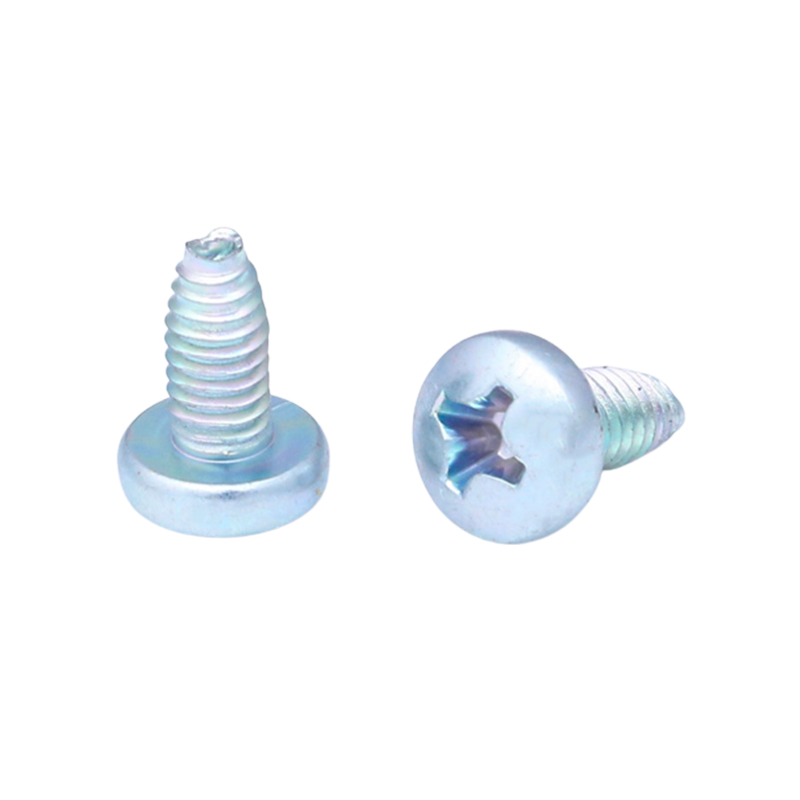
410 stainless steel screws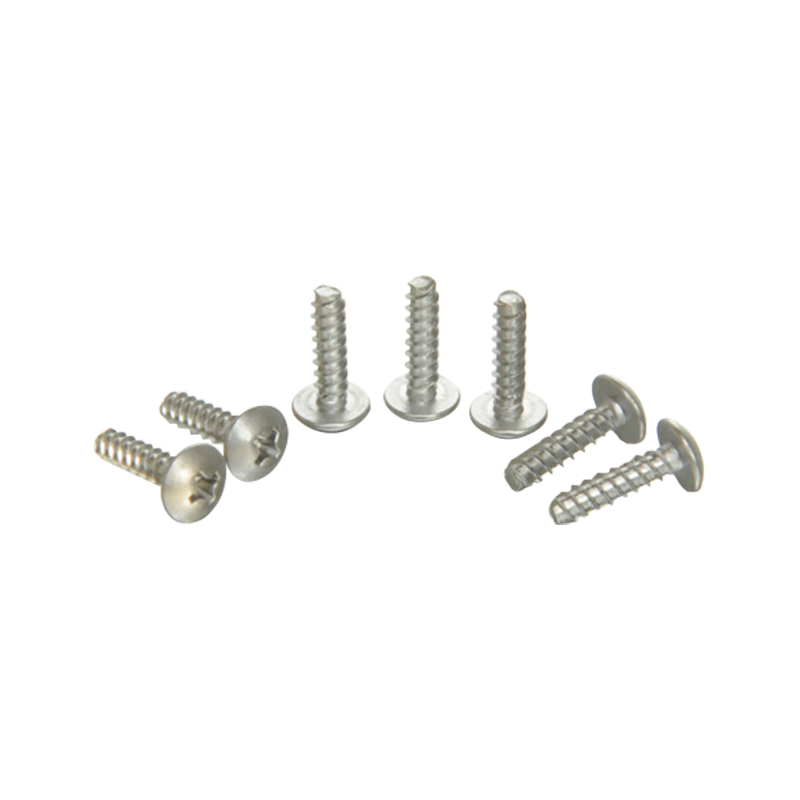 410 Stainless Steel Screw for High-Hardness JointsThis screw offers the magnetic and hardened properties needed for high-torque assemblies, but its lower corrosion resistance means it suits dry or protected environments.View Product →
This grade provides the magnetic and hardened properties that suit high-torque assemblies, while its lower corrosion resistance means the environment must be dry or protected.
Surface Passivation and Finish
Stainless steel screws normally do not require electroplating, but a passivation process removes free iron particles left from machining and cleans the surface, improving corrosion performance. Some stainless parts are polished or brushed for appearance, but those finishes are cosmetic. Purchasers should ask the supplier to specify whether the threaded areas were passivated and cleaned after forming, particularly near the thread roots, where machining lubricants often remain.
It is also worth asking whether the screws will be used with galvanized steel or aluminum parts. Contact with certain metals in a wet environment can cause galvanic corrosion, which may make a stainless screw perform worse than expected. In mixed-material assemblies, the supplier should advise on the correct alloy and any needed insulating washer.
Size and Thread Pitch: What Actually Matters
The nominal diameter is only the beginning. The tolerance fit between the screw and the mating thread is what determines how smoothly it goes together. For an M6 x 1.0 coarse thread, the 6g external thread major diameter is 5.794 mm to 5.974 mm, while the 6H internal thread minor diameter is 5.000 mm to 5.200 mm. Those fractions of a millimeter decide whether the screw can be driven without binding, whether it will hold securely under vibration, and whether it can be removed again without seizure.
Fine-pitch threads have better self-locking properties than coarse threads, because the smaller thread angle makes them less prone to loosening under vibration. But fine threads are easier to cross-thread and can be more difficult to install in dirty or soft materials. For plastic sheets and thin metal, coarse threads usually provide more reliable engagement.
For a much deeper look at how diameter and pitch affect joint reliability, see the reference on choosing the correct size and thread pitch for stainless steel screws.
Drive Types and Head Styles That Improve Assembly
Drive type directly affects assembly speed and torque transmission. Cross-recess drives are fast to load and are accepted broadly, but they can cam out when the torque is high. TORX sockets have a deeper contact area, so they transfer torque without stripping and are preferred in automated or robotic fastening. Hex sockets handle very high driving torque, but they are slower to align.
Head style also matters. Pan heads work for general sheet metal, large flat heads spread the bearing load on soft materials, and hex flange heads integrate a washer-like flange with the screw head. Washer geometry is another subtle factor: a flat washer spreads the load, while a spring washer or serrated flange resists loosening. Pre-assembled stainless steel screws are made so that the washer cannot be removed by hand, which is also helpful when the screw is used in an automatic feed system.
In electrical enclosures and thin metal panels, a pre-assembled washer screw can avoid carrying a separate washer and reduce the risk of stripping the panel.
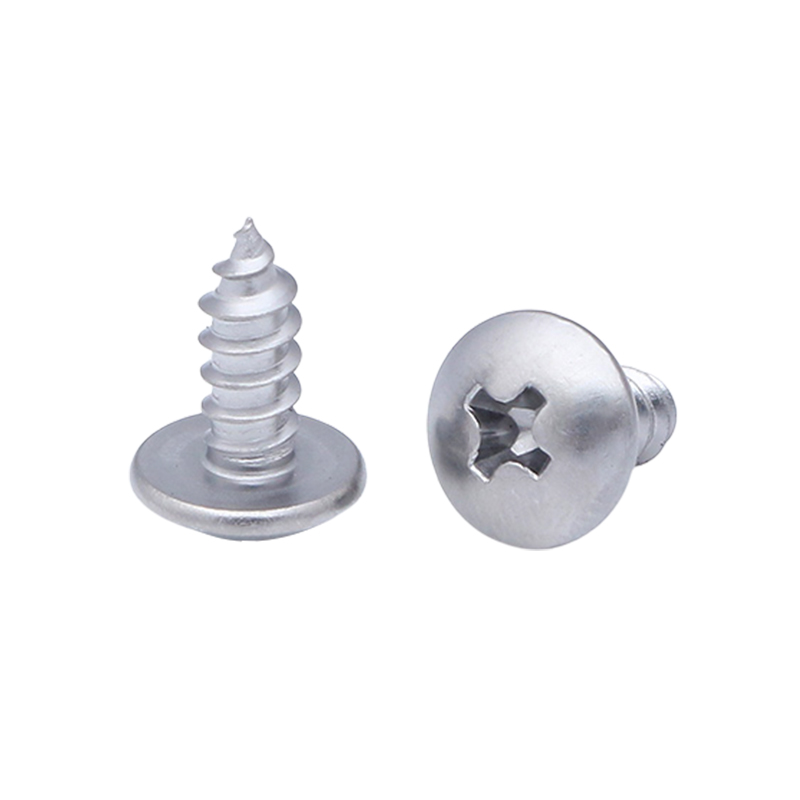
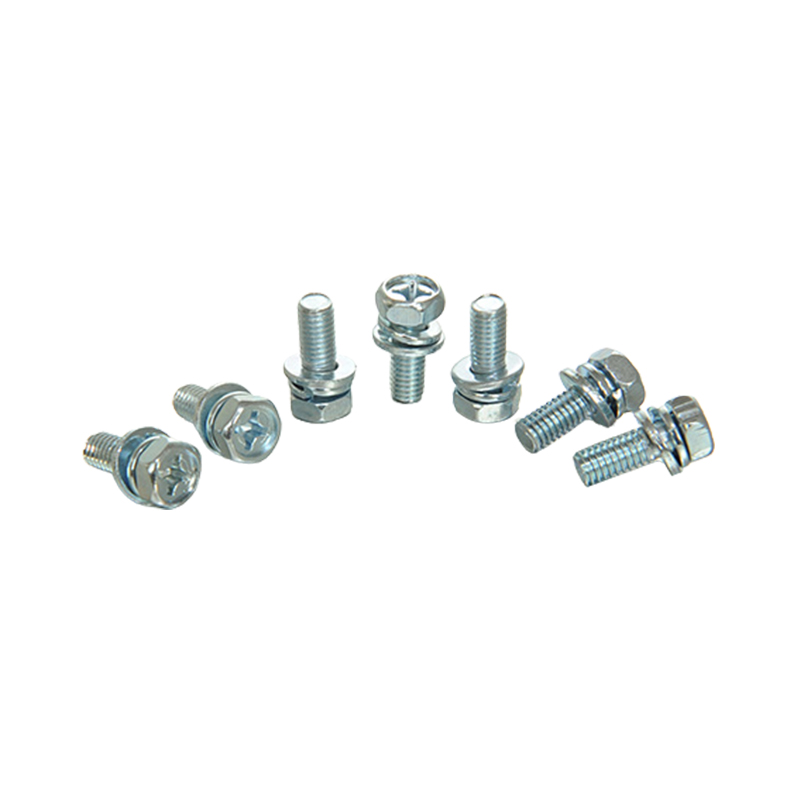
cross pan head stainless steel screws with pad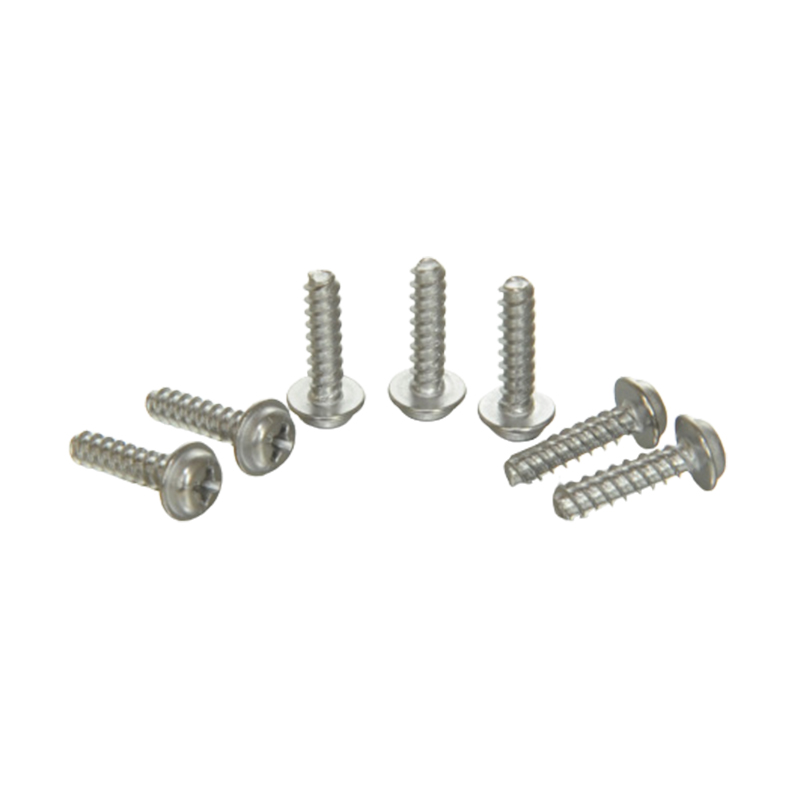 Cross Pan Head Stainless Steel Screw with Pre-Assembled WasherIdeal for electrical enclosures and thin metal panels, this pre-assembled washer screw reduces handling time and helps prevent panel stripping during manual or automated assembly.View Product →
These screws keep the washer captive and are easy to handle in manual or automated assembly.
Fastener Quality Checks That Separate a Reliable Supplier
Salt spray testing is the basic method for checking corrosion resistance of stainless steel, and a real test report is better than a simple material certificate. Tensile testing verifies the ultimate strength, while a torque tester simulates the actual tightening process. A profile projector independently checks head geometry and thread form, and a hardness tester confirms whether the heat treatment produced the intended strength.
These should come from the fastener manufacturer's own laboratory, not from a mimeographed certificate. A company with over 40 years of fastener manufacturing experience and its own testing equipment can better control cold heading, thread rolling, heat treatment, and inspection as one integrated process. When the supplier also runs custom small-batch orders and standard production on the same quality system, traceability becomes a practical reference for the buyer.
When a supplier is able to point to its own salt spray chamber and hardness tester, it also gives you a direct channel to review test results during development, not just at final delivery. This kind of access matters when you need to make a quick engineering decision.
Custom Stainless Steel Screws and Assembly Scenarios
Not all stainless steel screws are standard. Non-standard applications often appear in automotive seat armrests, household appliance attachment points, and mechanical equipment where the head shape, thread length, or drive recess is different from standard catalog products. When the design requires a special head type or an unusual combination of material and pitch, the sooner the manufacturer receives the drawing, the faster the lead time can be confirmed.
For assemblies where the screw and washer must remain together during shipping and installation, pre-assembled stainless steel combination screws reduce handling time and simplify the assembly station.
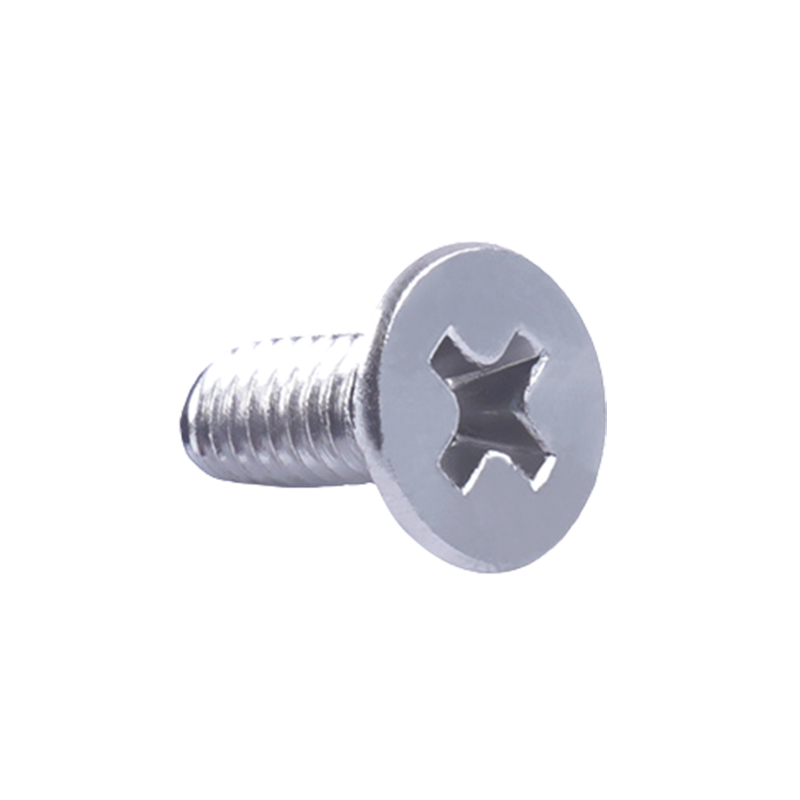
stainless steel combination screws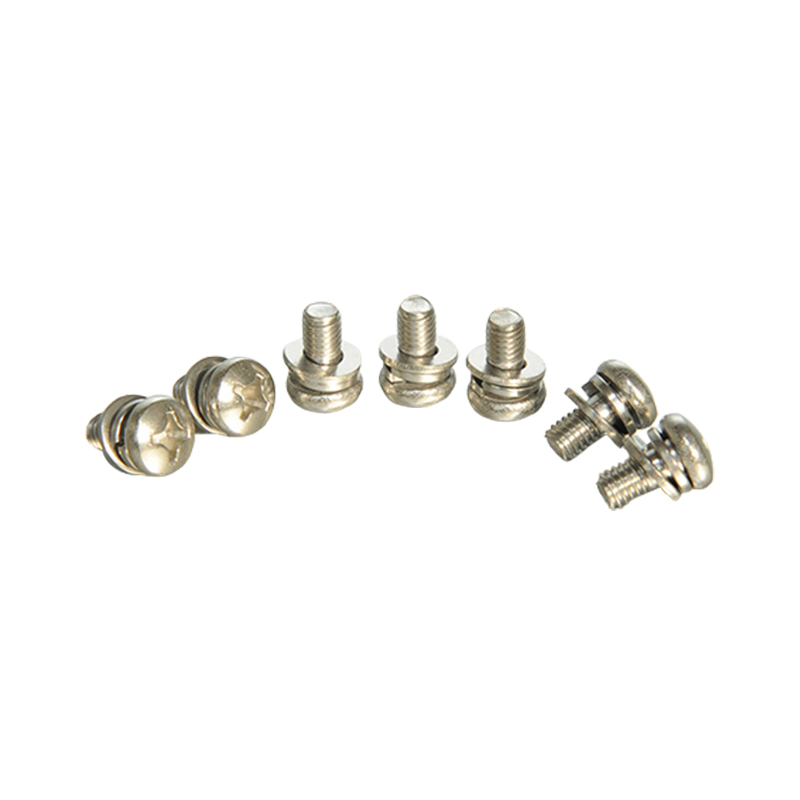 Stainless Steel Combination Screw for Efficient AssemblyPre-assembled with a washer, this stainless steel combination screw simplifies shipping and installation, eliminating separate washer dispensing and keeping the assembly area organized.View Product →
These parts avoid the need for a separate washer dispensing process and help keep the assembly area organized.
Custom fastener manufacturing is also a practical path when the application calls for a non-standard surface treatment or a particular head profile that is difficult to find in a standard catalog. The supplier's engineering team should review the drawing, confirm the tolerance class, and produce a pre-production sample for fit testing.
Practical Buying Advice for Stainless Steel Screws
Before you commit to a purchase order, check four things. The environment defines the grade; the fit defines the thread tolerance; the assembly tool defines the drive recess; and the supplier's testing and custom capabilities define the batch quality.
- Identify the exposure environment: indoor, outdoor, coastal, or chemical contact.
- Request material certificates and salt spray data for the specific batch.
- Ask for tolerance consistency between batches, especially on major diameter and thread form.
- Evaluate whether the supplier can develop a custom screw from your drawing or sample.
Do not judge a supplier only by a bright sample surface. The best producer will show you a traceable test report and offer a clear path for custom stainless steel fastener solutions for your specific assembly.