 English
 Español
 日本語
日本語

Understanding Anti-Theft Screws
Anti-theft screws are specifically engineered to be more difficult to remove than regular screws. These fasteners typically have a specialized head design or require unique tools for installation and removal. The idea behind these screws is to deter thieves or unauthorized individuals from tampering with or stealing valuable equipment. While anti-theft screws do not make items completely impervious to theft, they make the removal process more time-consuming, labor-intensive, and difficult using ordinary tools. Some common features of anti-theft screws include one-way threads, unique drive shapes, and the requirement for special tools or keys for removal.
Common Types of Anti-Theft Screws
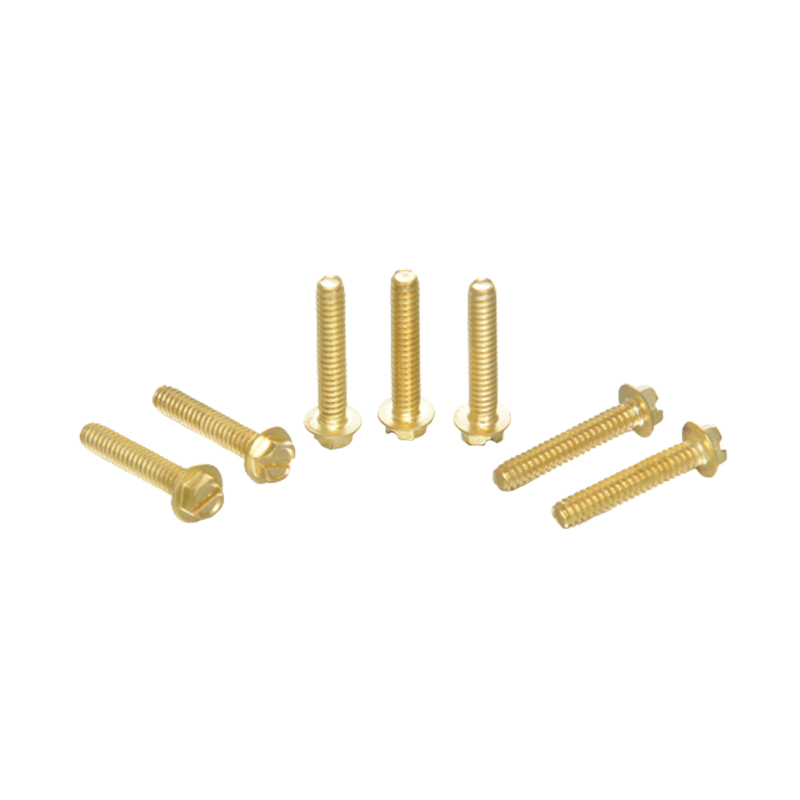
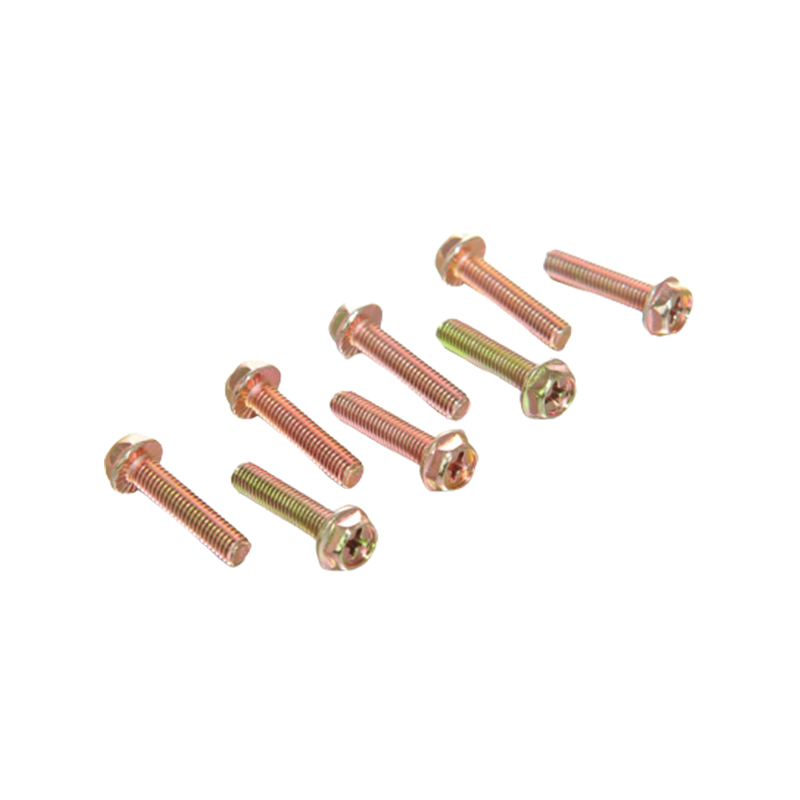
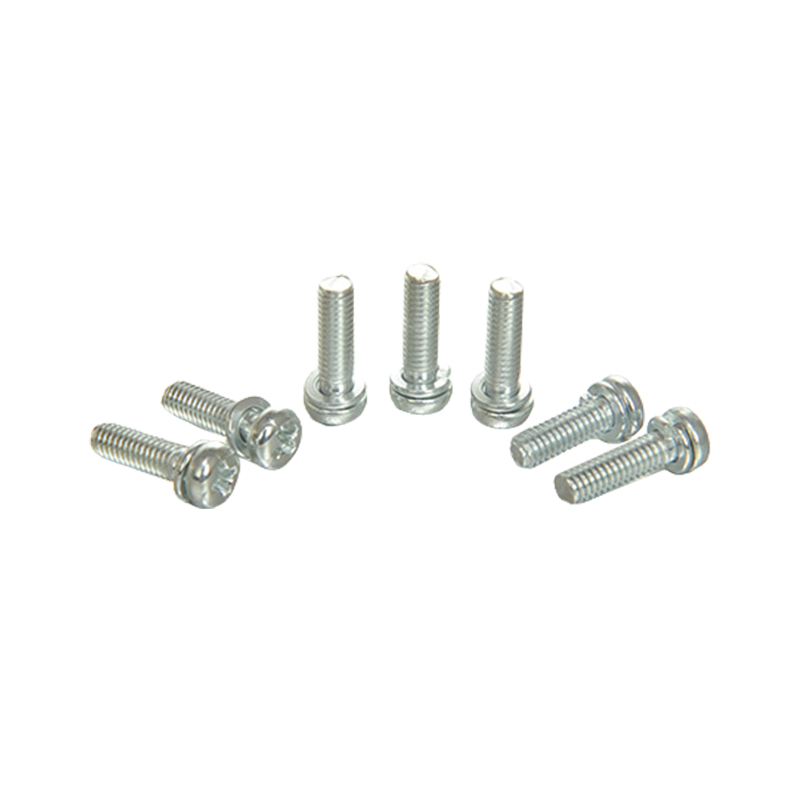
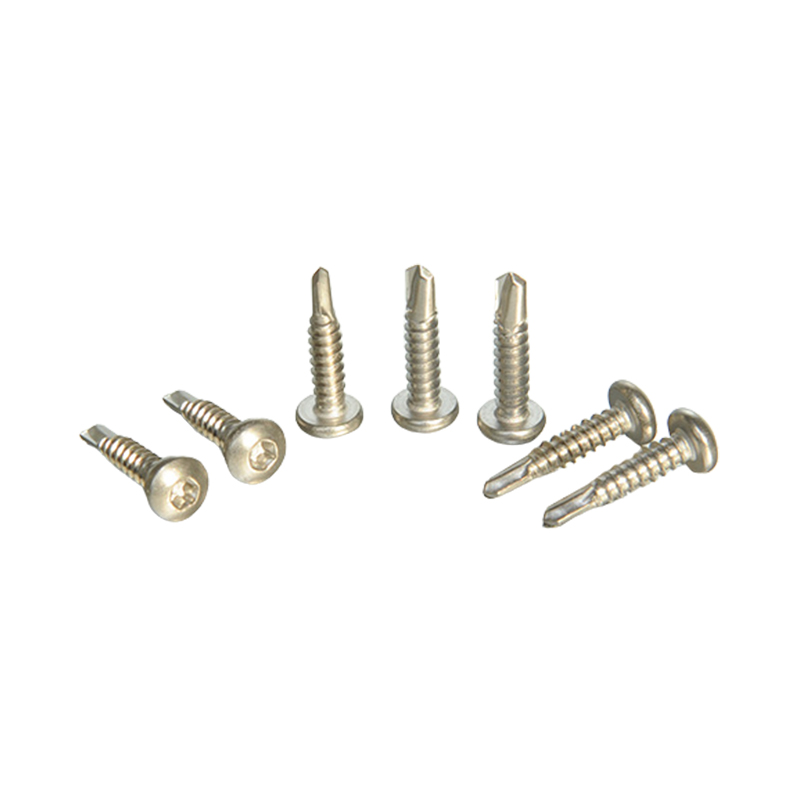
There are various types of anti-theft screws, each employing different mechanisms to make them more secure. One of the most common types is the “tamper-resistant” screw, which has a head design that prevents regular screwdrivers from engaging with the screw. These screws often feature a specially shaped recess that can only be turned with a corresponding tool. For example, the "pin-in" screw has a central pin that blocks access to the standard screwdriver slot, and only a tool with a matching pin is capable of removing it. Similarly, "security" screws such as Torx or Tri-Wing designs feature unique star-shaped patterns or triangular shapes that make it difficult to use conventional tools to unscrew them.
Limitations of Anti-Theft Screws
While anti-theft screws provide a higher level of protection compared to regular screws, they are not entirely impossible to remove. The primary aim of these screws is to act as a deterrent rather than a foolproof solution. For those with the right knowledge, tools, and determination, even the most secure anti-theft screw can be removed. In fact, many anti-theft screw designs have been circumvented by people using specialized tools, destructive methods, or simple brute force. While these screws can slow down or make theft more challenging, they are not absolute barriers to removal, particularly if the person trying to remove them is well-prepared.
Resistance to Ordinary Tools
One of the key strengths of anti-theft screws is that they provide protection against ordinary tools, which are commonly used by people who might attempt theft or tampering. Common tools like flathead or Phillips screwdrivers, wrenches, or even pliers are generally ineffective against the specialized designs of these screws. For instance, the pin-in or one-way screw can’t be turned with a standard screwdriver due to the central pin or the locking mechanism in place. Similarly, screws with unusual patterns, such as the aforementioned Torx or Hex designs, require matching drivers to be removed. This ensures that most casual individuals or thieves who do not possess specialized tools are unlikely to successfully remove the screws. As such, these screws offer an increased level of security compared to standard screws, especially when installed in areas that are not easily accessible or when it’s hard to find replacement tools.
Tools Designed to Remove Anti-Theft Screws
Although ordinary tools are usually insufficient for removing anti-theft screws, there are specialized tools available that can bypass their protective features. For example, certain types of screwdrivers are designed to fit the unique patterns of security screws, such as custom Torx drivers or proprietary tools made to match the pin-in feature. These tools are available in hardware stores or online, often marketed to professional technicians or individuals who need to remove such screws for legitimate reasons. In many cases, individuals who have access to these specialized tools can remove anti-theft screws with relative ease.
Destructive Methods for Removing Anti-Theft Screws
In some cases, the only way to remove an anti-theft screw is by using destructive methods. These methods are typically employed when all else fails and may involve damaging the screw or the surrounding material in the process. For instance, a person may use a drill to bore through the center of the screw, removing its head and rendering it useless. Another common approach involves using a pair of locking pliers to grip the screw and twist it until it breaks free, though this can damage the surrounding material, such as the surface being secured. These methods are not ideal, as they can cause significant damage to the equipment or surface, leading to potential repair or replacement costs. However, they are sometimes the only viable option for removing a tamper-resistant screw if specialized tools are not available.
Resistance to Professional-Level Equipment
Even though anti-theft screws can sometimes be defeated using destructive methods or specialized tools, they do provide a good level of resistance to tools commonly used by amateurs or casual thieves. However, professionals with access to industrial-grade tools may still be able to remove these screws more efficiently. For example, highly skilled technicians or thieves could use power tools like impact drivers, which are capable of generating much more force than manual tools. With these tools, a professional may be able to extract a security screw even if it has been designed to resist basic tools. Nevertheless, this process can take more time and effort compared to simply using the right tool in the first place, which serves as a deterrent against hasty or unprepared individuals.
Legal and Ethical Considerations in Removing Anti-Theft Screws
While the primary purpose of anti-theft screws is to prevent unauthorized removal, their use can raise legal and ethical questions, particularly when it comes to accessing property or equipment that you do not own. In some situations, removing anti-theft screws without proper authorization can be considered illegal, especially if it results in damage to property or violates ownership rights. For instance, while removing anti-theft screws from a piece of equipment that you own may be perfectly fine, attempting to remove screws from a vehicle, machinery, or property that belongs to someone else may lead to legal consequences. Always consider the implications of tampering with anti-theft screws and ensure that you have the proper authority or permission before attempting to remove them.
Design Considerations for Enhanced Security
As technology and security needs continue to evolve, new types of anti-theft screws and fasteners are being developed to offer even greater resistance to unauthorized removal. These advanced designs include multi-layered mechanisms that incorporate features like magnetic locks, rotating or spring-loaded pins, and even electronic sensors that detect tampering attempts. These systems are designed to be difficult to bypass using ordinary tools or methods, making the screws much harder to remove without the proper access keys or tools. These improvements reflect the growing demand for better security solutions in various industries, particularly in applications involving sensitive or high-value items.
Effectiveness as a Deterrent
Ultimately, the primary function of anti-theft screws is not to make items completely impossible to tamper with, but to act as a deterrent. Their presence makes it much harder for opportunistic thieves or unauthorized individuals to easily access a secured item. By increasing the difficulty of removal, these screws help reduce the likelihood of theft or tampering. However, anyone with the right tools, knowledge, and determination can still bypass these security measures. In many cases, anti-theft screws help ensure that a theft or tampering attempt takes more time and effort, which may discourage would-be thieves or delay their progress long enough to allow for detection or intervention.
Balancing Security and Practicality
Anti-theft screws are an effective security measure for protecting valuable equipment and assets. They significantly reduce the likelihood of theft or tampering when used in combination with other security measures. However, they are not completely foolproof. While they are resistant to ordinary tools and can slow down or deter thieves, they are not impossible to remove. The ultimate effectiveness of anti-theft screws lies in their ability to provide enough resistance to make theft more difficult, but not so difficult that they cannot be removed with the right expertise or tools. In the end, their value is in acting as a barrier that increases the time, effort, and resources required for tampering, rather than offering an impenetrable solution.