 English
 Español
 日本語
日本語

Introduction to Combination Screws and Traditional Screws
Screws are commonly used fasteners in a wide range of industries, from construction to electronics. They come in many types, each suited for specific applications. Two common types of screws are combination screws and traditional screws. Both serve the same primary function—holding materials together—but they differ in design, usage, and ease of installation. Understanding the differences between combination screws and traditional screws can help individuals choose the right type for their project, ensuring efficiency and long-term performance.
Design and Construction of Combination Screws
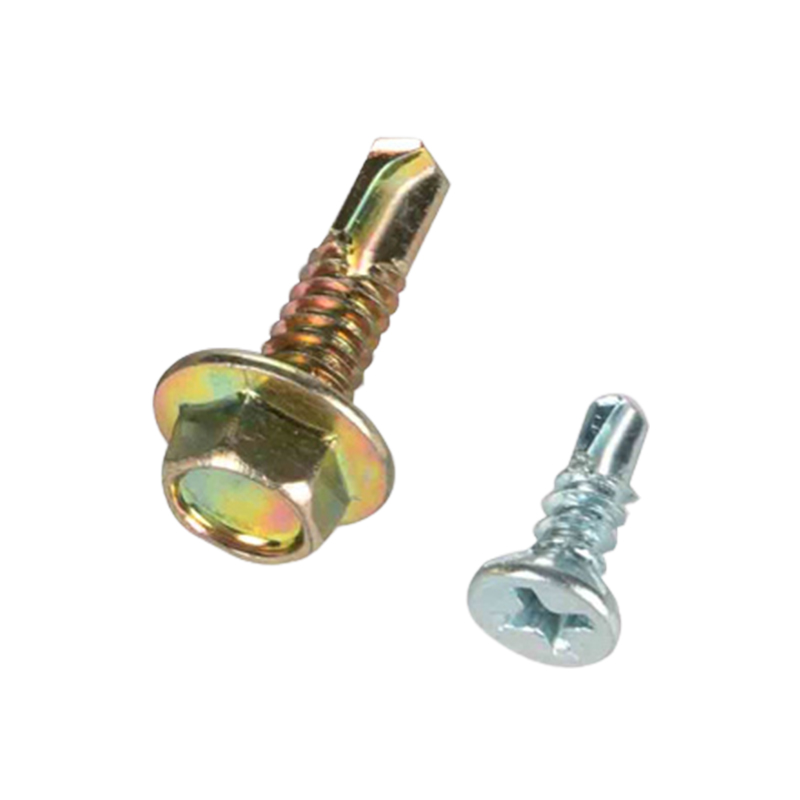
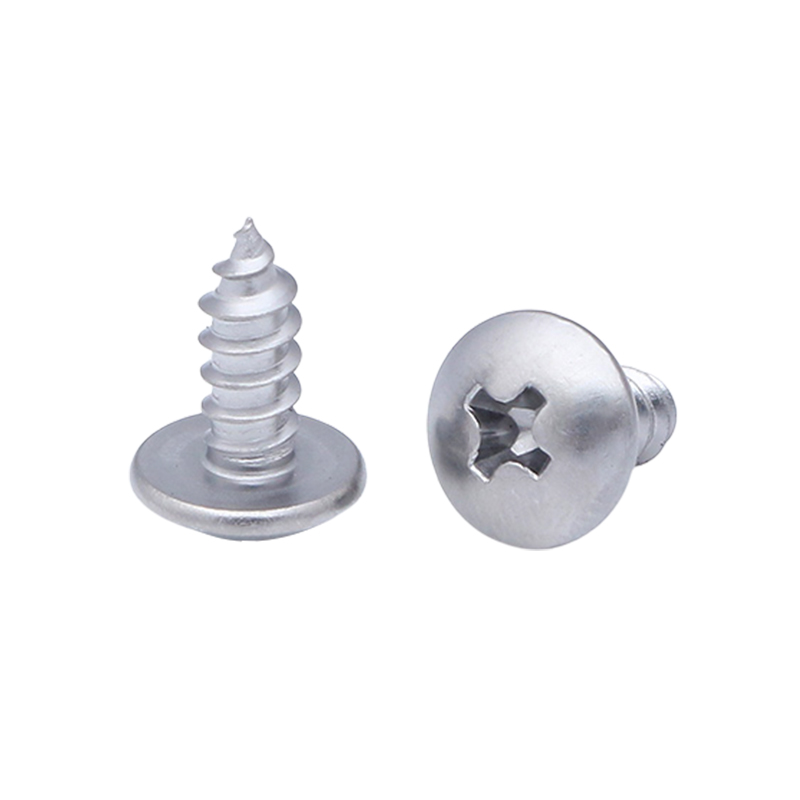
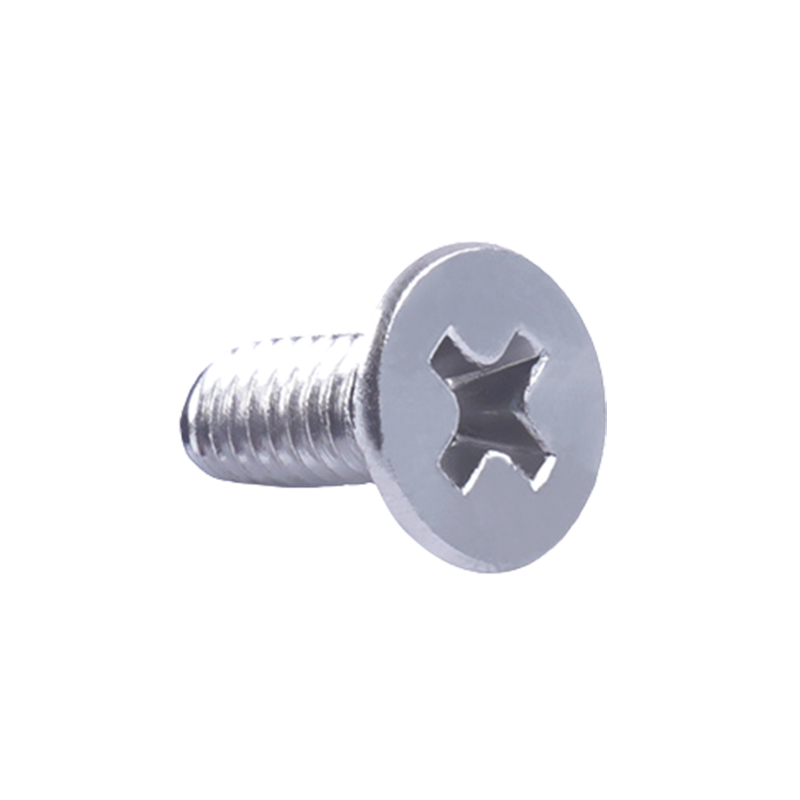
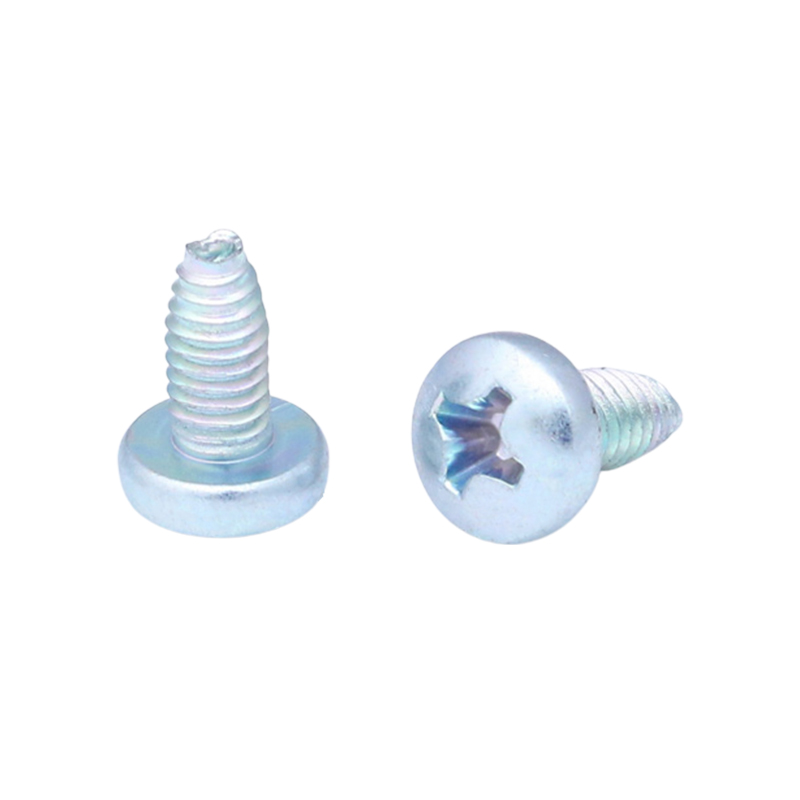
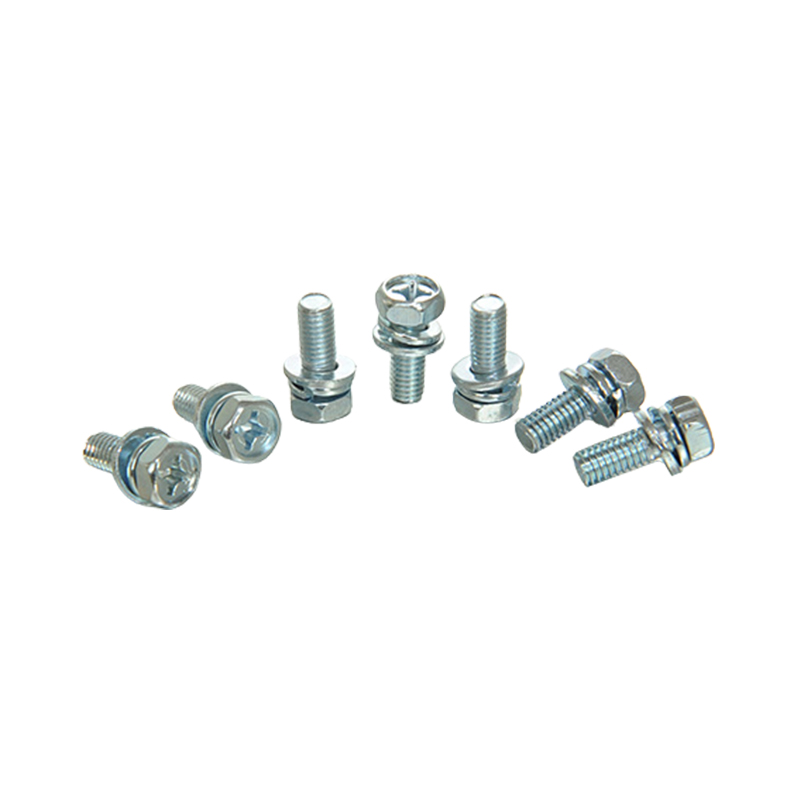
Combination screws are designed to provide versatility and convenience. Unlike traditional screws, which are typically designed for a single type of drive tool, combination screws are engineered to accommodate multiple types of screwdrivers or drill bits. The most prominent feature of combination screws is their head design. These screws are typically equipped with a slot that can accept both flathead and Phillips drive bits, as well as other types like Pozidriv or Torx, depending on the screw model. This dual-purpose design eliminates the need for different types of screwdrivers or bits, making them ideal for a wide variety of tasks.
The versatility of combination screws comes from their ability to be driven by multiple types of tools. For instance, the flathead design allows for use with a simple flat-blade screwdriver, while the recessed cross pattern accommodates a Phillips or Pozidriv driver. The design of the head ensures that the screw can be installed using whatever tool is available, which can save time and effort during the installation process. This flexibility is particularly useful in situations where a variety of screw types may be needed but only one driver tool is available on-site.
Design and Construction of Traditional Screws
Traditional screws are typically designed with a specific drive pattern, such as flathead, Phillips, or slotted heads. Each type of screw is intended for use with a specific type of screwdriver or driver bit. For example, a flathead screw requires a flat-blade screwdriver, while a Phillips screw is designed to be driven with a Phillips screwdriver or bit. These screws are typically available in various sizes and materials, with each type offering specific advantages based on the application.
Traditional screws may offer a higher level of precision when it comes to driving the screw into the material. Because they are designed for a specific type of driver, they provide a more secure fit between the tool and the screw head. This means less chance of slipping or stripping the screw, making traditional screws a preferred choice in applications where precise installation is critical, such as in fine woodworking or electronics.
Ease of Use and Convenience
One of the major differences between combination screws and traditional screws is the ease of use. Combination screws are designed for convenience, offering the ability to use different types of driver bits with the same screw. This can be a significant advantage in situations where a person is working with multiple types of screws but doesn't have the specific screwdriver or drill bit for each one. For example, a worker on a construction site might find it easier to carry a single driver tool with a variety of bits, rather than carrying separate tools for each screw type. The adaptability of combination screws makes them ideal for fast-paced or multi-tasking environments where efficiency is important.
Traditional screws, on the other hand, tend to require a dedicated tool for each type of drive pattern. This means that while they may offer higher precision in installation, they can be less convenient to use in environments where multiple screw types are required. In addition, if a worker lacks the correct driver bit for a traditional screw, it may slow down the job or cause frustration, especially if the wrong driver bit is used and the screw head gets damaged or stripped. However, traditional screws do provide a greater degree of control when driving screws, particularly in applications where the fit between the driver and the screw is critical for the screw’s performance.
Applications of Combination Screws
Combination screws are widely used in industries and applications where versatility and convenience are key factors. These screws are particularly useful in construction, furniture assembly, and DIY projects, where a variety of screw types may be required. The fact that combination screws can be driven using different types of tools makes them an excellent choice for workers who need to switch between screw types quickly. For example, a combination screw might be used to assemble furniture where different types of screws are required for different parts, but the same driver tool can be used for all of them.
Combination screws are also commonly used in situations where workers do not have access to a complete set of tools. In repair work, for instance, a person might encounter a mix of screw types but only have one driver tool available. In these cases, a combination screw can solve the problem, ensuring that work can continue without the need to search for the correct screwdriver or bit. They are also used in automotive, electrical, and household applications due to their versatility and ease of use.
Applications of Traditional Screws
Traditional screws are often preferred in specialized applications where precision and security are important. For example, in industries like electronics or precision machinery, the exact fit between the screw head and the driver bit is essential to ensure proper torque and prevent damage to the screw or the material being fastened. Traditional screws are also preferred in fine woodworking, where the appearance and durability of the screw installation are critical. Since these screws provide a more secure fit with their designated tools, they can reduce the risk of slippage, stripping, or other issues during installation.
In addition to precision applications, traditional screws are often used in high-performance environments where the materials involved may require specific types of screws for optimal performance. For example, stainless steel screws may be used in outdoor applications where corrosion resistance is a priority. In these cases, the material and type of screw are chosen for their suitability to the environment, and the type of drive pattern is less important compared to the overall performance of the screw.
Strength and Durability
When it comes to strength and durability, both combination screws and traditional screws can be made from high-quality materials such as stainless steel, brass, or carbon steel, ensuring that they can withstand significant mechanical stress. The key difference lies in the way they are used and the potential for wear on the screw heads. Traditional screws, because they are designed for specific tools, tend to maintain a better fit between the driver and the screw head over time. This reduces the risk of wear and damage, ensuring a longer lifespan for the screw in certain applications.
Combination screws, while versatile, may not offer the same level of durability over time, particularly if the screw head is driven with different types of tools. Using the wrong tool for the job, such as a flathead driver on a Phillips screw, can cause wear on both the screw and the tool, potentially compromising the screw’s performance. However, this risk is relatively low when proper tools are used, and the convenience of using a single driver tool for different screw types often outweighs the potential drawbacks in many general applications.
Cost Comparison
The cost of combination screws and traditional screws can vary depending on factors like material, size, and brand. Generally, combination screws may be slightly more expensive than traditional screws due to the added versatility and design complexity. However, this cost is often justified by the convenience and flexibility they offer, particularly in environments where a variety of screws are used and the ability to switch between different driver bits can save time and increase productivity.
Traditional screws, while potentially more affordable, may require multiple tools or driver bits to complete a task, which could increase overall costs for the user. In high-volume applications, purchasing a large number of specialized screws and tools can add up, making combination screws a more cost-effective option for projects that require frequent switching between screw types. In contrast, traditional screws are often chosen for applications where performance, precision, and material selection are more important than cost.
Environmental Considerations
In terms of environmental impact, both combination screws and traditional screws are often made from materials that can be recycled, such as steel, aluminum, or brass. However, the added complexity of combination screws, particularly in their design and the coatings used to enhance durability, can result in a slightly higher environmental footprint. The versatility of combination screws means that fewer tools and bits are required, which can reduce waste in certain scenarios. On the other hand, traditional screws may require the use of multiple tools, but their longevity and precision in specific applications can make them a more environmentally responsible choice in some cases.