 English
 Español
 日本語
日本語

Introduction to Corrosion Resistance of Self-Tapping Screws
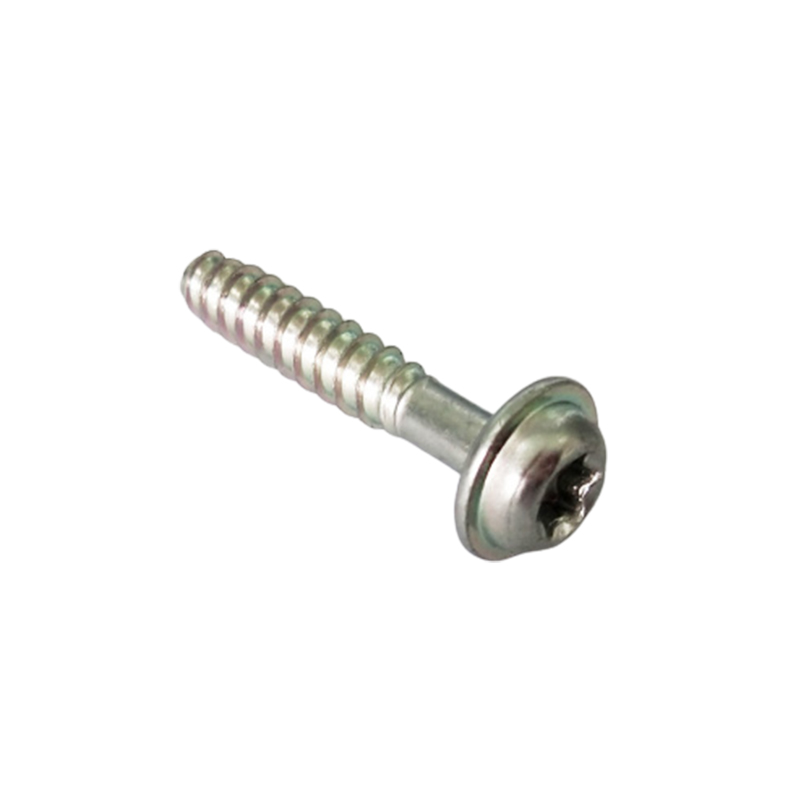
Self-tapping screws are commonly used in a wide range of applications, from construction to automotive industries, because of their ability to create their own threads when driven into materials. This feature makes them highly practical, as they do not require pre-drilled holes. However, one of the challenges associated with self-tapping screws, especially in outdoor or industrial environments, is their susceptibility to corrosion. Corrosion can weaken the screw, leading to failure and reducing the longevity of the materials being fastened. A potential solution to this problem is surface treatment, which can significantly improve the corrosion resistance of these screws.
Understanding Corrosion and Its Impact on Self-Tapping Screws
Corrosion is a natural process in which materials, typically metals, degrade as a result of chemical reactions with their environment. For metals like steel and iron, exposure to moisture, oxygen, and salts can lead to the formation of rust or other corrosion products. In the case of self-tapping screws, corrosion can cause them to weaken, making them less effective at holding materials together and, in severe cases, leading to complete failure. This is particularly concerning in environments where the screws are exposed to harsh weather conditions or corrosive substances.
The impact of corrosion on self-tapping screws extends beyond the potential for mechanical failure. It can also cause aesthetic damage, such as discoloration or pitting, which may be undesirable in visible applications. Moreover, the presence of corrosion can accelerate wear on surrounding materials, compromising the integrity of the entire structure. Therefore, improving the corrosion resistance of self-tapping screws is crucial for ensuring their durability, reliability, and overall performance in various settings.
Surface Treatment as a Solution to Corrosion
Surface treatment is one of the most effective methods used to improve the corrosion resistance of self-tapping screws. These treatments alter the surface properties of the screws, forming a protective layer that acts as a barrier against moisture, chemicals, and other environmental factors that contribute to corrosion. By applying surface treatments, manufacturers can enhance the screw's ability to withstand the elements and prolong its lifespan. There are several types of surface treatments commonly used for this purpose, each offering different advantages depending on the specific application and environment in which the screws will be used.
Types of Surface Treatments for Self-Tapping Screws
There are various surface treatments available that can improve the corrosion resistance of self-tapping screws. These treatments can be broadly classified into coatings, platings, and other chemical treatments. Each method has its own set of benefits and limitations, and the choice of treatment depends on factors such as the intended use, environmental exposure, and cost considerations.
Zinc Coating (Galvanization)
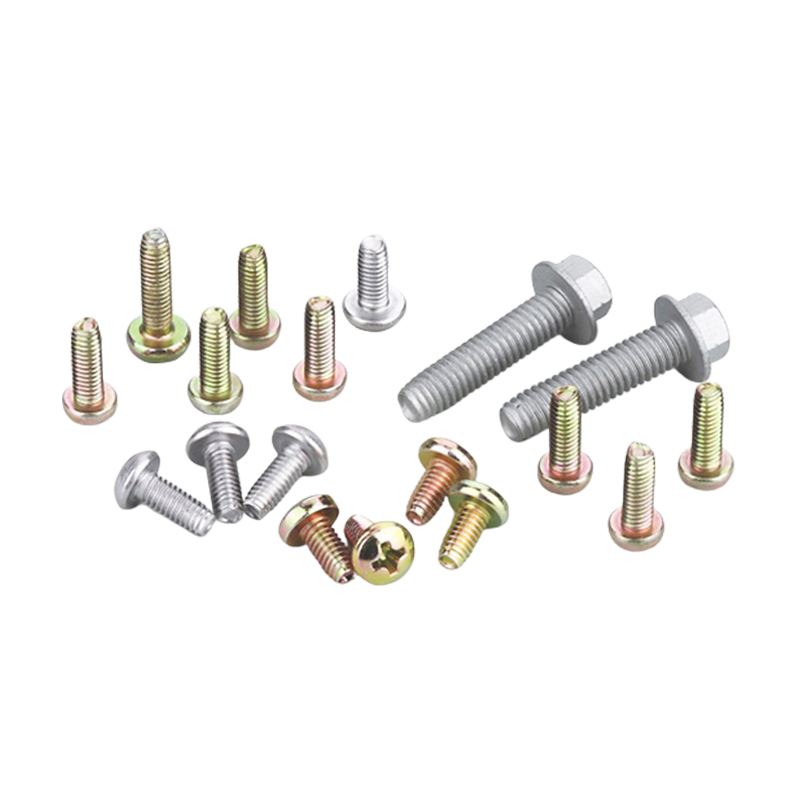
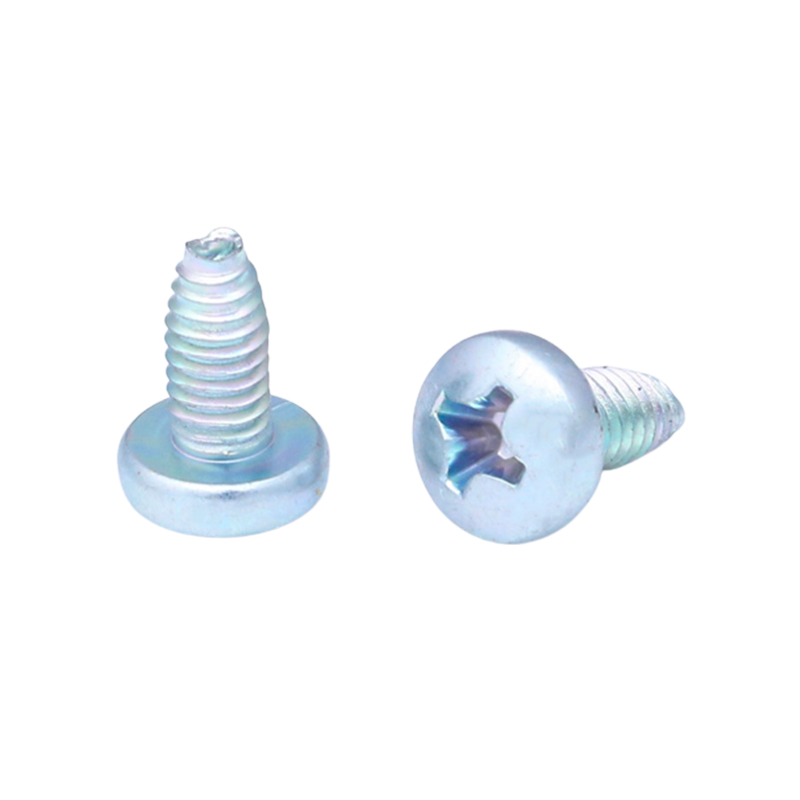
Zinc coating, commonly known as galvanization, is one of the most widely used surface treatments for improving the corrosion resistance of self-tapping screws. The process involves applying a thin layer of zinc to the surface of the screws, either through hot-dip galvanizing or electroplating. Zinc acts as a sacrificial anode, meaning it corrodes in place of the underlying metal, thereby protecting the screw from rust and corrosion.
Hot-dip galvanizing involves dipping the screws into a bath of molten zinc, while electroplating uses an electric current to bond zinc to the screw's surface. Both methods provide effective corrosion protection, although hot-dip galvanizing typically results in a thicker and more durable coating. Zinc-coated screws are ideal for use in environments exposed to moisture, saltwater, and other corrosive elements, such as in marine, outdoor, or coastal applications.
Phosphate Coating
Phosphate coating is another surface treatment used to improve the corrosion resistance of self-tapping screws. This process involves applying a thin layer of phosphate crystals to the surface of the screw, usually through a chemical bath. The phosphate layer provides a protective barrier that resists corrosion and can also help to improve the adhesion of additional coatings or lubricants, which can further enhance the screw's performance.
Phosphate coatings are often used in combination with other treatments, such as oiling or painting, to create a multi-layered protective system. This type of treatment is particularly effective for screws used in automotive and industrial applications, where the screws may be exposed to moderate levels of moisture or chemicals. Phosphate-treated screws are also commonly used in environments where an aesthetic finish is not a priority, as the phosphate layer tends to have a dull, matte appearance.
Nickel Plating
Nickel plating involves applying a layer of nickel to the surface of the self-tapping screw, either through electroplating or electroless plating. Nickel is highly resistant to corrosion and provides a smooth, shiny finish that is aesthetically pleasing. Nickel-plated screws are often used in applications where both corrosion resistance and appearance are important, such as in decorative hardware or high-end appliances.
Nickel plating not only protects against rust and corrosion but also enhances the screw's ability to withstand wear and abrasion. Nickel-coated screws are particularly effective in environments that are exposed to moisture, oils, and mild chemicals. However, while nickel plating provides good corrosion protection, it may not be as effective in extreme environments, such as those with exposure to saltwater or highly acidic substances.
Chrome Plating
Chrome plating is a surface treatment that involves applying a layer of chromium to the surface of the screw. Chromium is known for its high resistance to corrosion, making it an ideal choice for applications where screws are exposed to harsh conditions. Chrome-plated screws are often used in automotive, plumbing, and decorative applications due to their durability and shiny, mirror-like finish.
In addition to providing corrosion resistance, chrome plating also offers enhanced hardness and wear resistance, making it suitable for screws that will be subjected to frequent use or mechanical stress. However, like nickel plating, chrome plating may not provide sufficient protection in highly corrosive environments, such as marine or chemical settings. In these cases, a more robust coating, such as hot-dip galvanization, may be required.
Black Oxide Coating
Black oxide coating is a chemical treatment that creates a black, rust-resistant layer on the surface of the screw. The process involves immersing the screws in a hot alkaline solution, which reacts with the metal to form a protective oxide layer. While black oxide does not provide as much corrosion resistance as zinc or nickel plating, it can be effective in mildly corrosive environments where aesthetic considerations are important.
Black oxide coating is often used for screws in applications where a sleek, black finish is desired, such as in military, aerospace, and automotive industries. The treatment provides some corrosion protection and can be enhanced with the application of oils or waxes, which help to further seal the surface and prevent moisture from penetrating the metal.
Electroless Plating
Electroless plating is a method of coating a self-tapping screw with a layer of metal, such as nickel or copper, without the use of an electric current. This process uses a chemical reaction to deposit a uniform layer of metal onto the surface of the screw. Electroless plating provides excellent corrosion resistance and is particularly useful for screws with intricate shapes or threads that are difficult to coat with other methods.
Electroless plating is often used in situations where high precision and uniformity are required, such as in electronics, medical devices, or high-performance automotive applications. The treatment provides a consistent protective layer that enhances the screw’s resistance to rust and wear, even in environments with high humidity or exposure to chemicals.
Benefits of Surface Treatment for Corrosion Resistance
Surface treatments offer several benefits when it comes to improving the corrosion resistance of self-tapping screws. By providing a protective layer, these treatments prevent the screw’s base metal from coming into direct contact with moisture, oxygen, and other corrosive elements. This barrier significantly reduces the rate of corrosion and extends the life of the screw, ensuring that it performs reliably over time.
Another advantage of surface treatment is the improved durability of the screw. Many surface treatments, such as nickel or chrome plating, not only provide corrosion resistance but also enhance the screw's resistance to wear, abrasion, and mechanical stress. This makes the screws suitable for use in applications that require high levels of performance and longevity, such as in automotive or industrial settings.
Additionally, surface treatments can improve the aesthetic appearance of self-tapping screws. For example, chrome plating and nickel plating provide a shiny, polished finish that can be visually appealing in decorative applications. In contrast, black oxide and phosphate coatings offer a more subdued, industrial look that is often preferred in functional applications where appearance is secondary to performance.
Choosing the Right Surface Treatment for Specific Applications
When selecting a surface treatment for self-tapping screws, it is important to consider the specific requirements of the application. Factors such as the environment, exposure to corrosive substances, load-bearing requirements, and aesthetic preferences should all influence the choice of treatment.
For screws used in outdoor or marine environments, where exposure to moisture and saltwater is common, hot-dip galvanization or nickel plating may be the best option due to their strong corrosion resistance. For applications in more controlled or indoor environments, such as automotive or industrial settings, chrome or black oxide plating may offer sufficient protection while also providing a visually appealing finish.
In situations where screws will be exposed to mild chemicals or oils, phosphate coatings or electroless plating can provide effective protection against corrosion without compromising the screw’s strength or functionality. Ultimately, the choice of surface treatment depends on balancing the corrosion resistance requirements with other factors such as cost, performance, and appearance.