 English
 Español
 日本語
日本語

Introduction to anti-theft screws
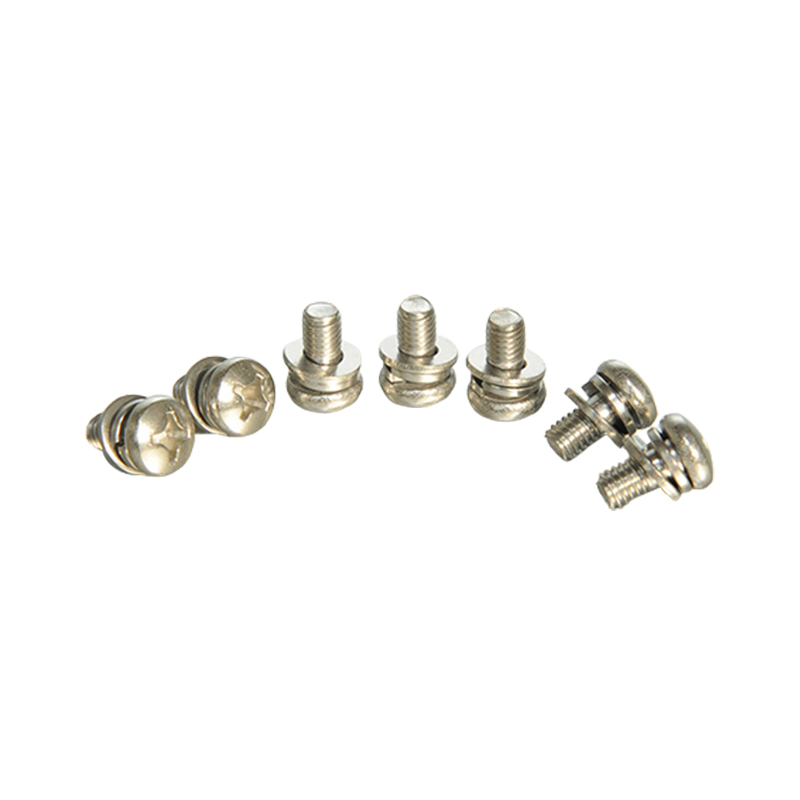
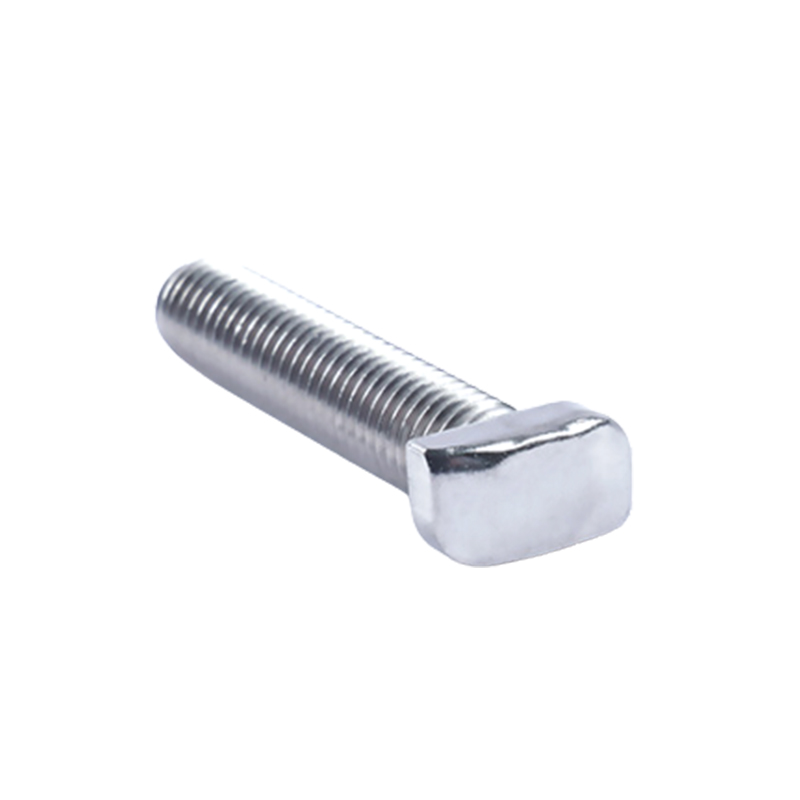
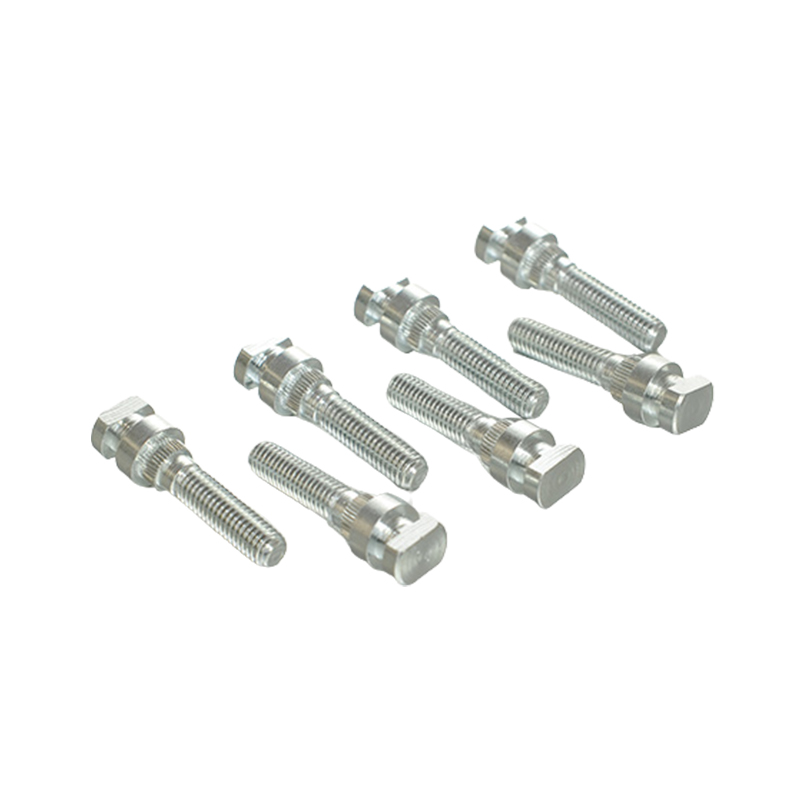
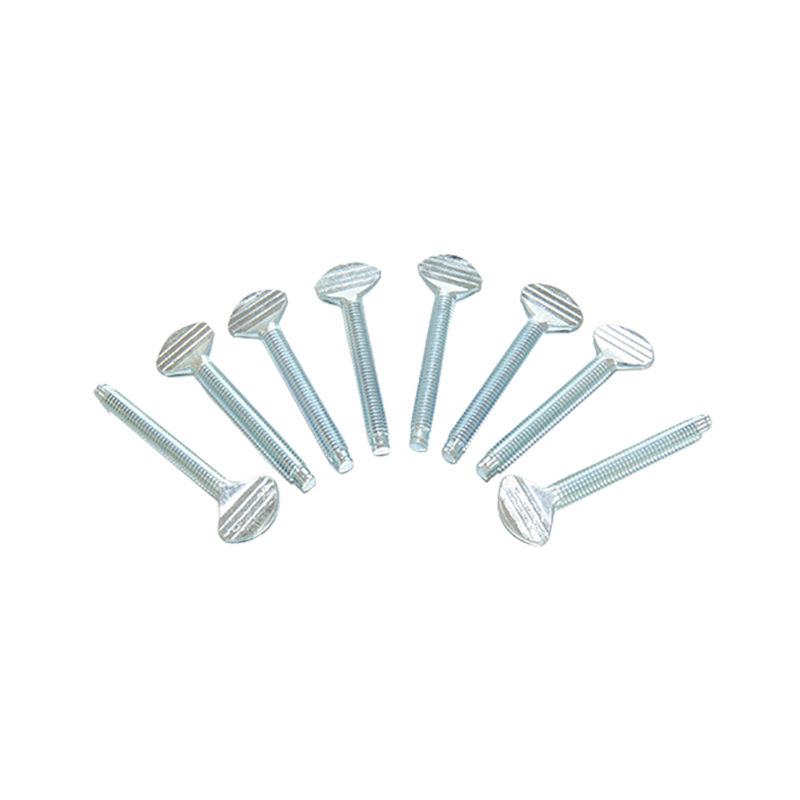
Anti-theft screws are specialized fasteners designed to prevent unauthorized removal of equipment, panels, or devices. They are commonly used in public installations, electronic devices, automotive components, and industrial applications. One important consideration for these screws is compatibility with standard screw holes and existing equipment, as this determines whether they can be integrated without extensive modifications or the need for specialized adapters.
Design characteristics of anti-theft screws
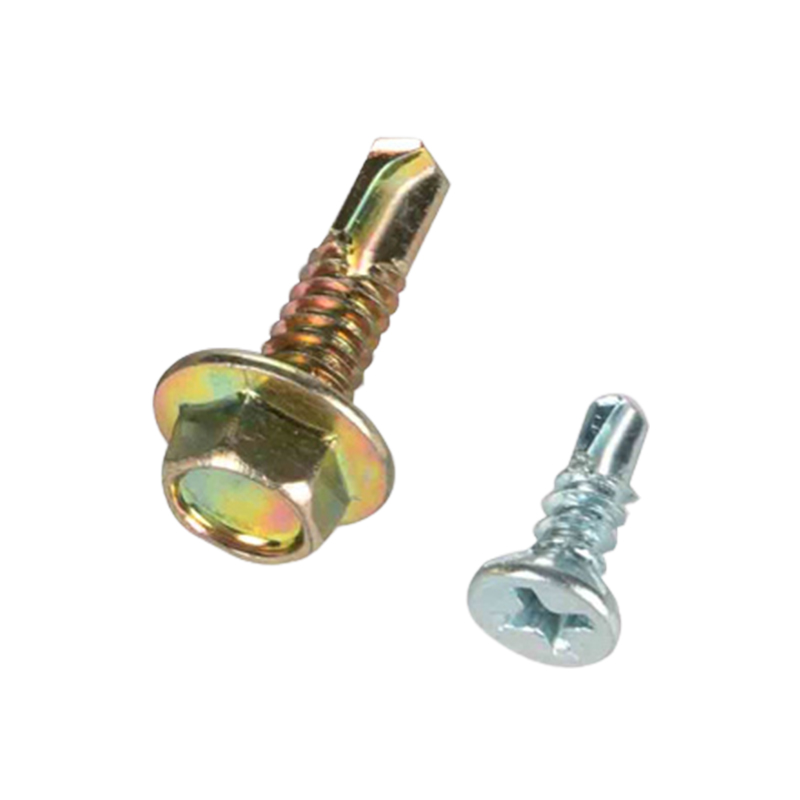
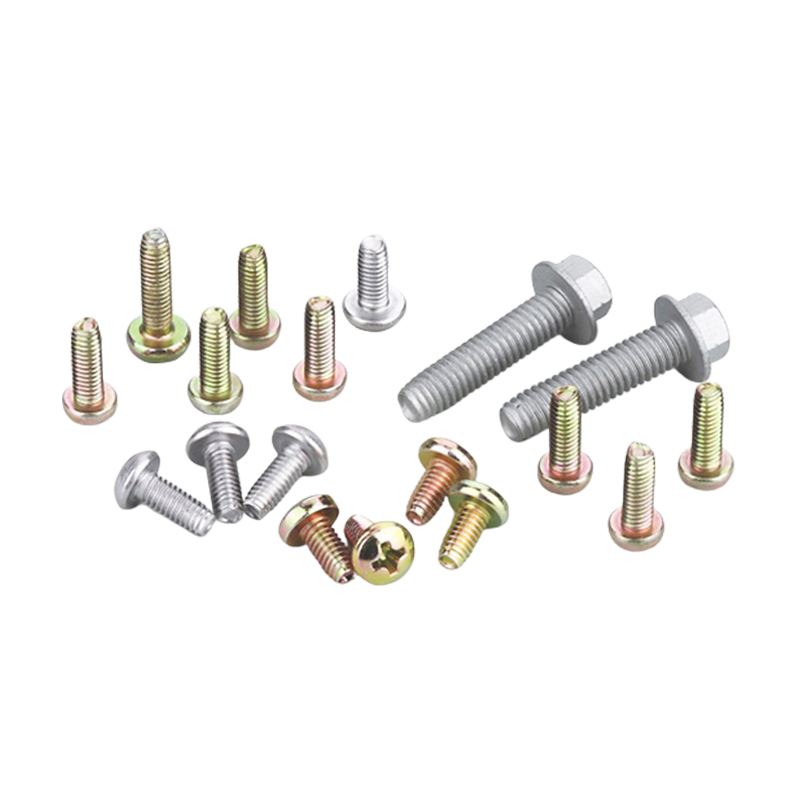
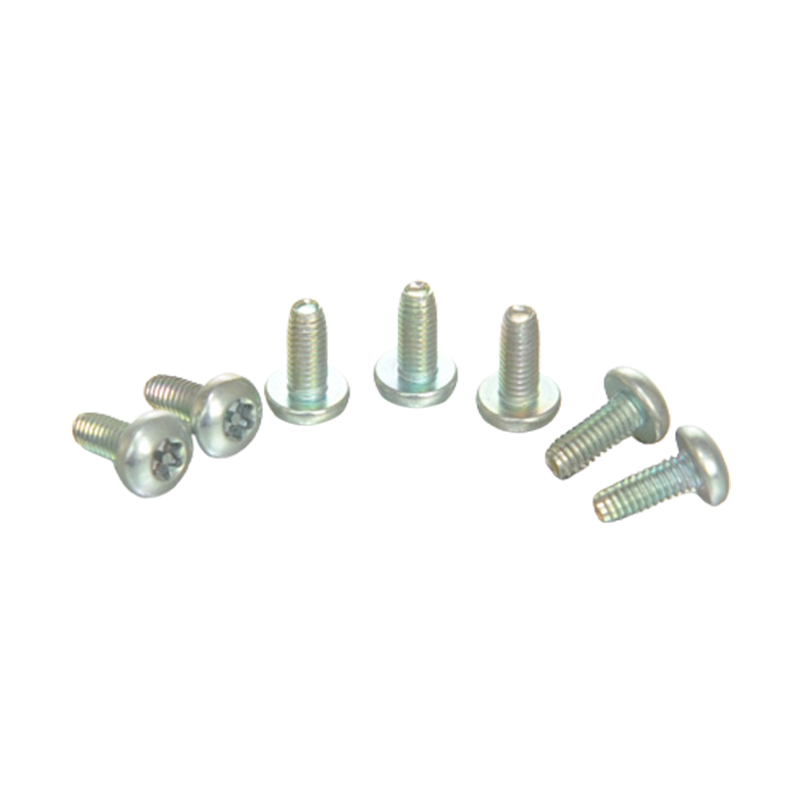
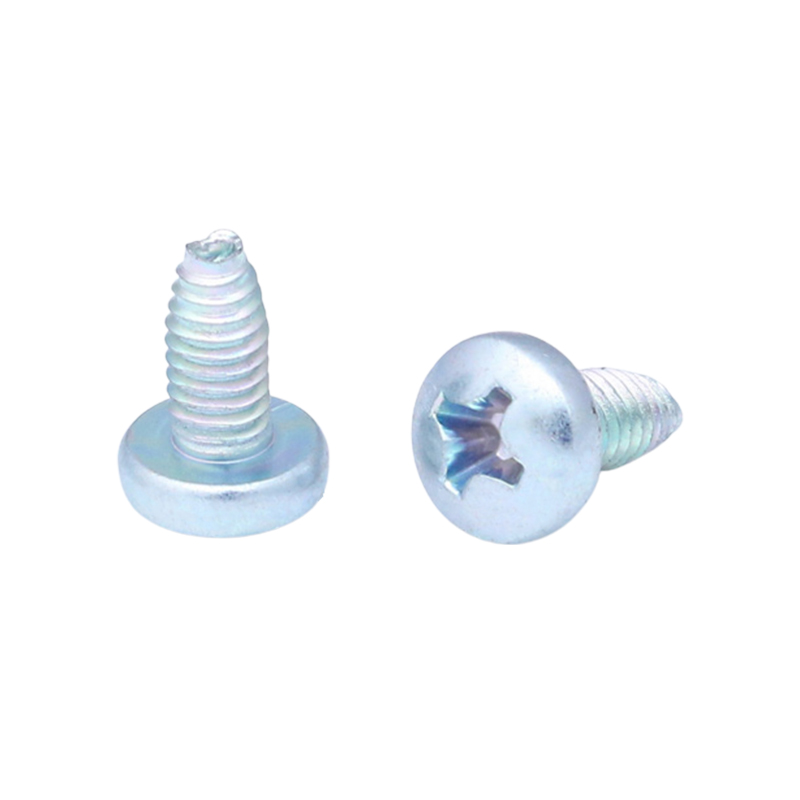
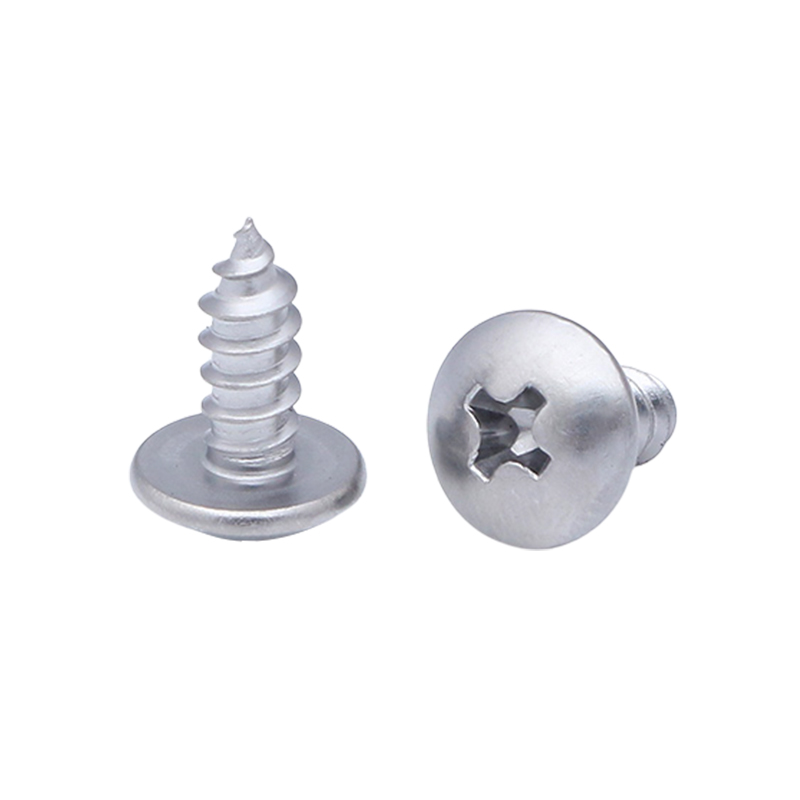
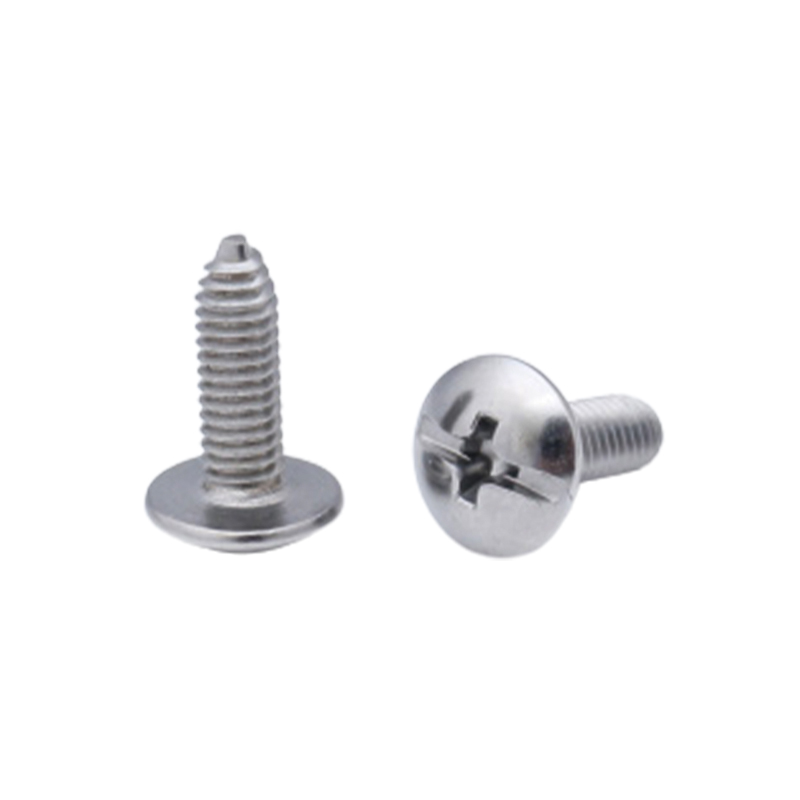
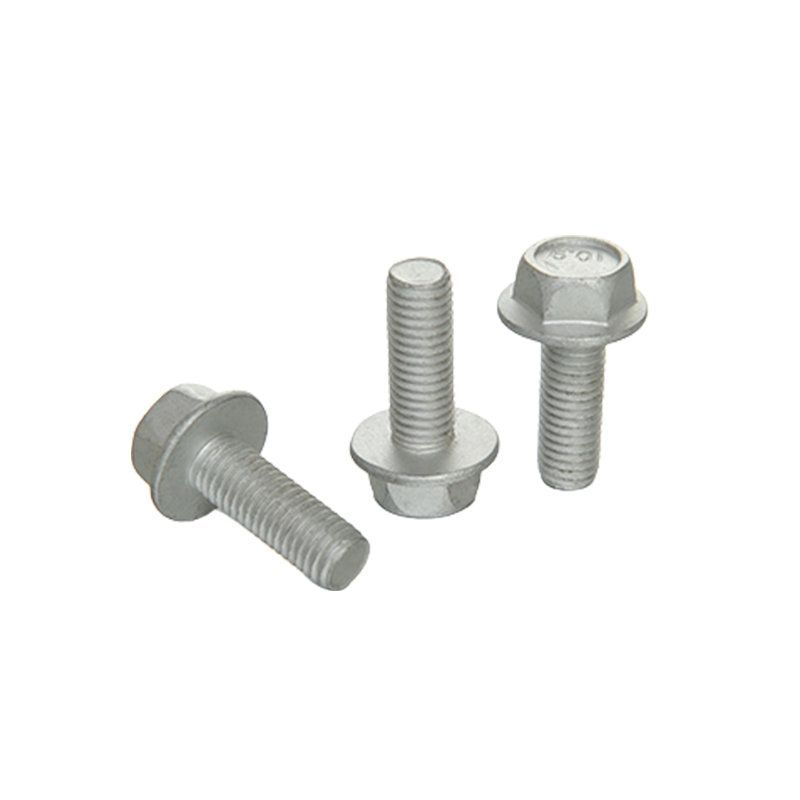
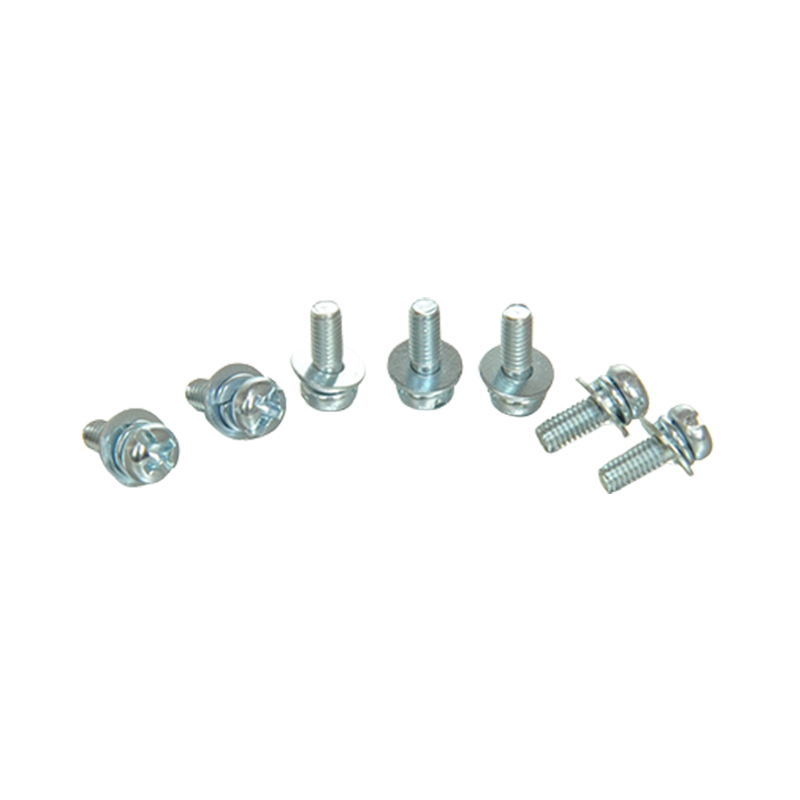
Anti-theft screws typically feature unique head designs, such as one-way slots, tamper-resistant hex, or proprietary drive patterns. These designs make it difficult to remove the screws using conventional tools, thereby enhancing security. Despite their specialized design, many anti-theft screws are engineered to match standard thread sizes, diameters, and lengths, enabling them to fit into conventional screw holes and mounting points without requiring alterations to existing equipment.
Thread compatibility with existing equipment
The thread pattern of anti-theft screws is critical for compatibility. Many anti-theft screws maintain standard metric or imperial threads to ensure they can replace conventional screws in pre-existing holes. Matching the thread pitch and diameter allows secure engagement with the equipment's threaded inserts or tapped holes. This compatibility ensures that installation is straightforward and that the screws can achieve the necessary clamping force without stripping the threads or causing mechanical issues.
Head design and tool requirements
While the head design of anti-theft screws differs from standard screws, they are often engineered to be compatible with specific security drivers. These drivers are specialized tools designed to engage the unique head without damaging it. In some cases, adapters or universal security bits can be used. The availability of compatible tools ensures that anti-theft screws can be installed and removed when necessary while maintaining resistance to unauthorized tampering. The head design also needs to accommodate clearances in existing equipment, so the screw head does not interfere with covers, panels, or other components.
Material selection and structural integrity
Anti-theft screws are manufactured from materials that provide mechanical strength and durability, such as stainless steel, hardened alloy steel, or coated metals. These materials ensure that the screws can withstand torque applied during installation and environmental stresses during use. Maintaining standard mechanical properties allows the screws to replace conventional fasteners without compromising structural stability. This is particularly important in applications where vibration, load, or environmental exposure could impact equipment performance.
Ease of retrofitting existing installations
One of the main advantages of compatible anti-theft screws is the ability to retrofit existing equipment without major modifications. Standardized thread sizes and lengths allow these screws to be installed in pre-drilled or pre-tapped holes. Retrofitting is often as simple as removing the existing screws and replacing them with anti-theft versions. This approach maintains the original alignment and structural integrity of the equipment while adding a layer of security.
Considerations for varying hole types
Equipment may include a variety of hole types, including countersunk, through-hole, or threaded inserts. Anti-theft screws are available in designs that match these hole types. Countersunk anti-theft screws sit flush with the surface, preventing tampering while preserving aesthetics. Screws designed for through-holes maintain proper length to engage with backing components. Compatibility with threaded inserts ensures that the screw provides adequate clamping force and mechanical stability without stripping or damaging the existing threads.
Impact on equipment warranty and compliance
Using anti-theft screws that are compatible with standard screw holes typically does not void equipment warranties, provided installation follows manufacturer guidelines. The use of standard threads, lengths, and torque specifications ensures that the screws do not cause mechanical stress or damage. Compliance with equipment safety and operational standards is maintained, while the anti-theft design provides additional protection against tampering or unauthorized disassembly.
Environmental and application considerations
Anti-theft screws are often exposed to various environmental conditions, including temperature fluctuations, humidity, and vibration. Compatibility with existing equipment requires that the screws can endure these conditions without corrosion or deformation. Material coatings, such as zinc plating or passivation, help protect against rust and extend the lifespan of the fastener. Properly selected screws maintain both mechanical stability and anti-theft functionality across diverse installation scenarios.
Load-bearing and torque performance
Compatibility with existing equipment also involves load-bearing capacity and torque performance. Anti-theft screws must withstand the same clamping forces as standard screws to ensure that the mounted component remains secure. Testing torque ratings and load limits ensures that replacing conventional screws with anti-theft versions does not compromise mechanical integrity. This is particularly important for equipment subjected to vibration, movement, or operational stresses.
Maintenance and removal considerations
Although anti-theft screws are designed to resist tampering, they can still be removed for legitimate maintenance using the correct security driver. Ensuring that maintenance teams have access to compatible tools and replacement screws is essential for long-term usability. The ability to perform repairs or upgrades without modifying the equipment ensures that anti-theft screws integrate seamlessly into operational workflows while providing protection against unauthorized access.
Case studies of compatibility
Field implementations have shown that anti-theft screws with standard thread specifications can be successfully used in a variety of settings, including public kiosks, transportation infrastructure, and electronic devices. By maintaining thread consistency and head design considerations, these screws replace conventional fasteners without compromising the original installation. Case studies demonstrate that careful selection of screw size, length, and head type is critical for ensuring compatibility with diverse equipment types.
| Equipment Type | Compatible Anti-Theft Screw Features | Installation Considerations |
|---|---|---|
| Electronic devices | Proprietary drive head, standard thread pitch | Use security driver; ensure clearance for screw head |
| Automotive panels | Hex or tamper-resistant drive, appropriate length | Match thread with existing inserts; torque to specification |
| Public infrastructure | One-way screws, corrosion-resistant coating | Install in pre-drilled holes; ensure anchoring stability |
| Industrial equipment | Hardened alloy, standard metric threads | Check load-bearing requirements; maintain proper alignment |
Best practices for ensuring compatibility
To ensure anti-theft screws are compatible with standard screw holes and existing equipment, careful measurement and selection are required. Verify the thread diameter, pitch, and length of the existing screw or hole. Select anti-theft screws that match these specifications while providing the desired level of tamper resistance. Using proper tools for installation and following torque guidelines ensures secure attachment without damaging equipment. Documentation and planning also aid in long-term maintenance and replacement.