 English
 Español
 日本語
日本語

Why Custom Fasteners Matter: Beyond Catalog Standards
Standard fasteners work well until they do not. A thread pitch that is close but not exact, a head height that steals assembly clearance, or a drive type that slows down a torque step can quietly multiply cost across thousands of units. This is why OEM engineers and buyers search for a custom fasteners manufacturer that can turn a drawing into a reliable production part. This guide covers the capabilities, quality systems, and sourcing checks that separate a serious custom fastener supplier from a general reseller.
Custom fasteners are not simply non-standard screws. They are engineered answers to fit, performance, and assembly problems that catalog parts cannot solve. The table below summarizes the practical difference.
| Standard Fastener | Custom Fastener |
|---|---|
| Geometry fixed by catalog | Geometry matches your joint, clearance, and tooling |
| Materials limited to stock | Material selected for strength, corrosion, and temperature needs |
| One finish for many applications | Finish chosen for salt spray and environmental targets |
| Sourced by part number | Developed through drawing review, sampling, and testing |
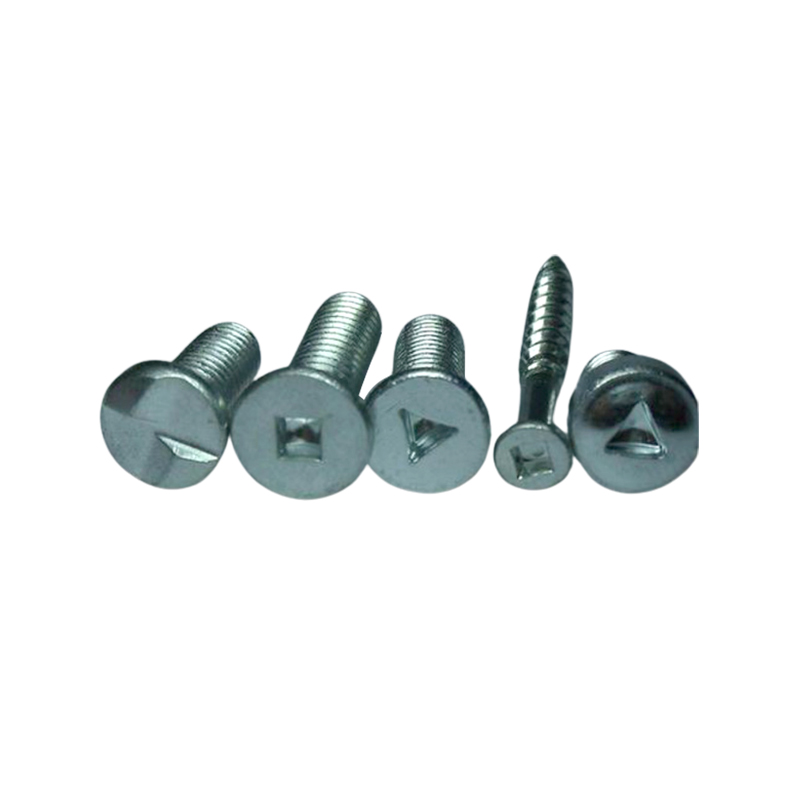
Several situations justify a custom program. The part may need a non-standard head, drive, shank, or thread; mechanical properties beyond stock materials; a smaller envelope in a tight assembly; anti-loosening or anti-theft features; or a head geometry that reduces assembly handling time. Custom fasteners matter because standard parts only approximate these requirements.
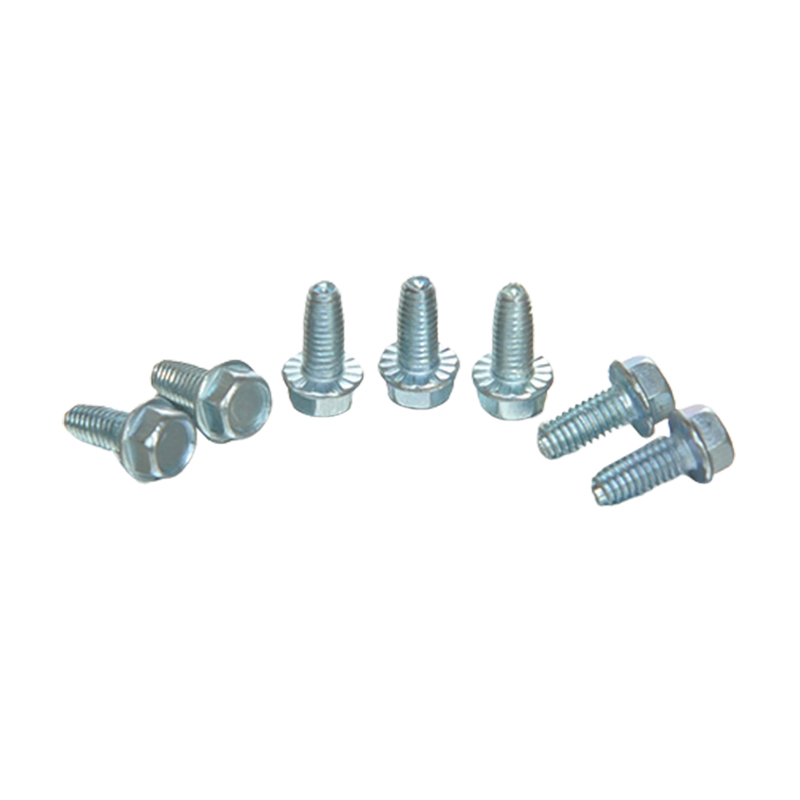
These needs span many part families, and most manufacturers group them under non-standard fastener solutions. The takeaway is direct: a custom fastener is a risk-control measure, not merely a premium expense. It reduces rework, shortens assembly time, and avoids failures caused by a fastener that almost fits.
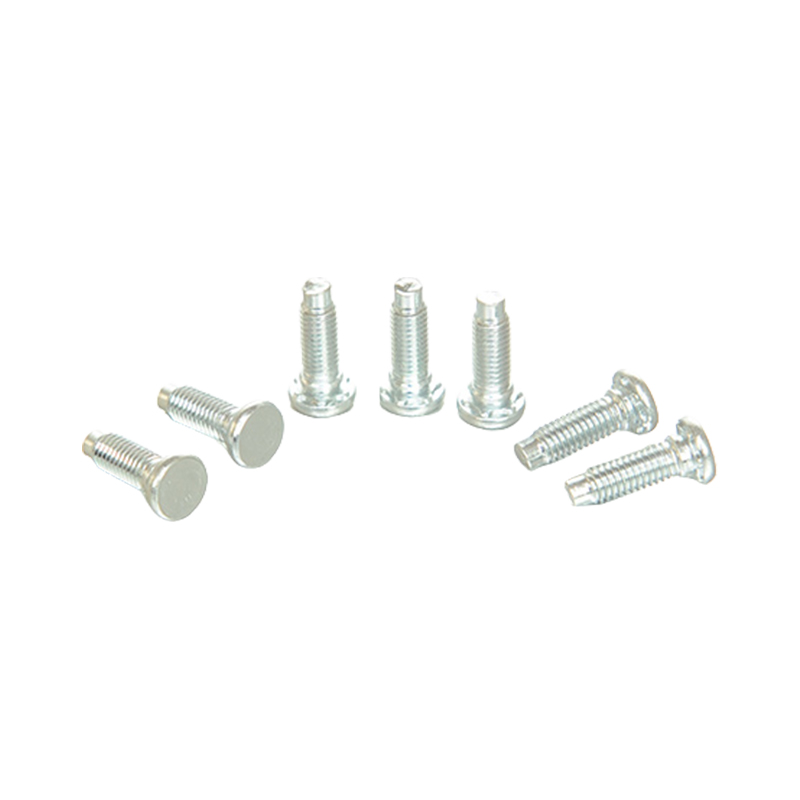
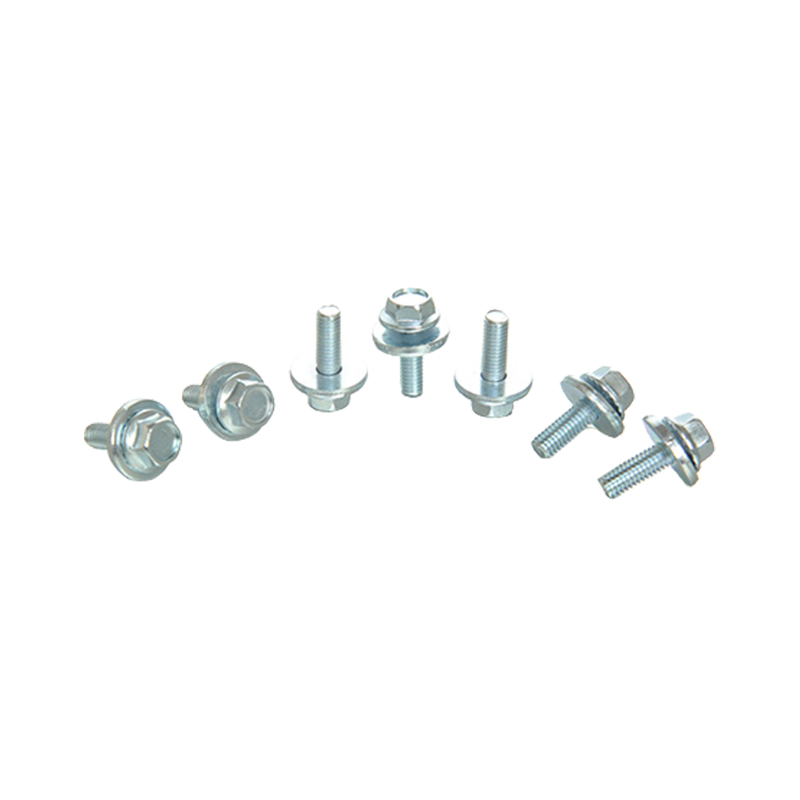
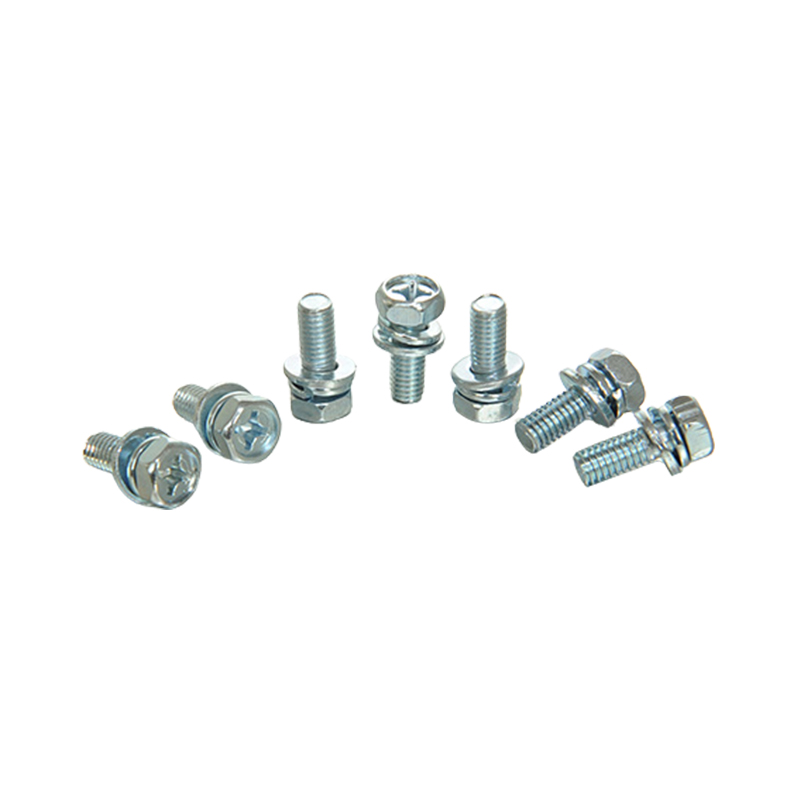
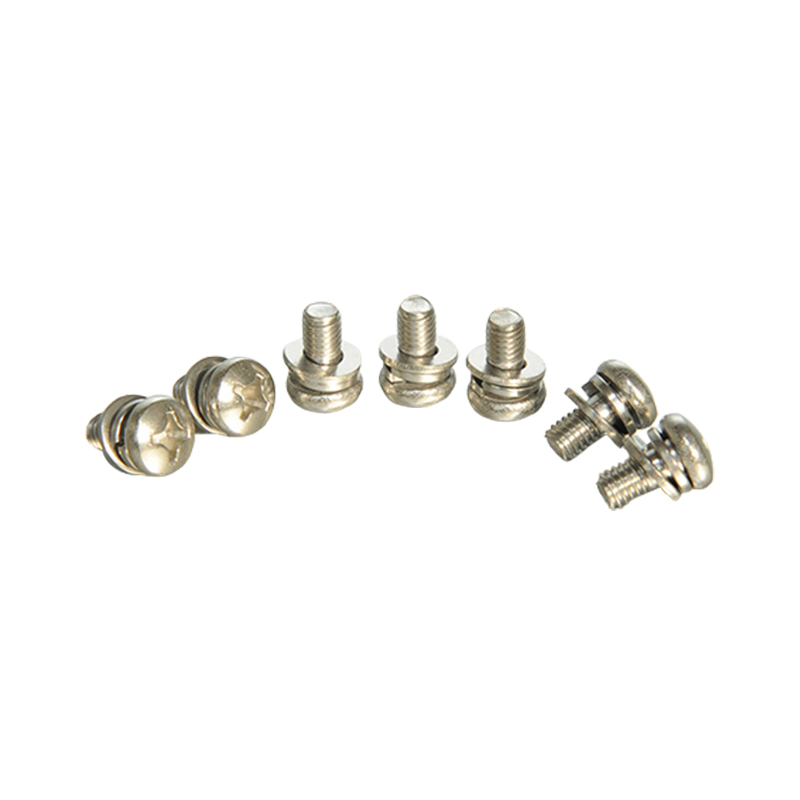
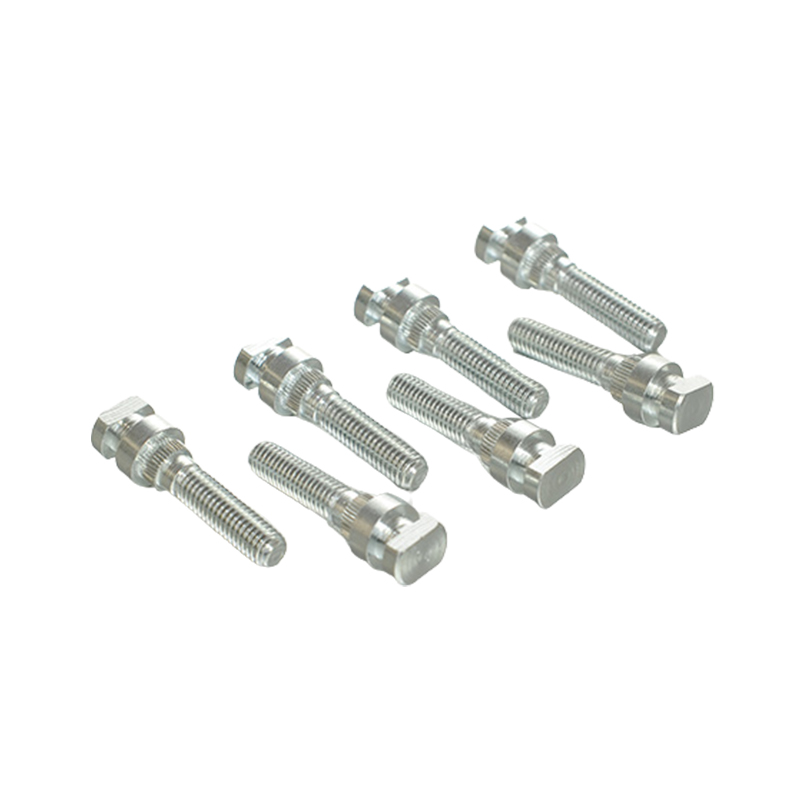
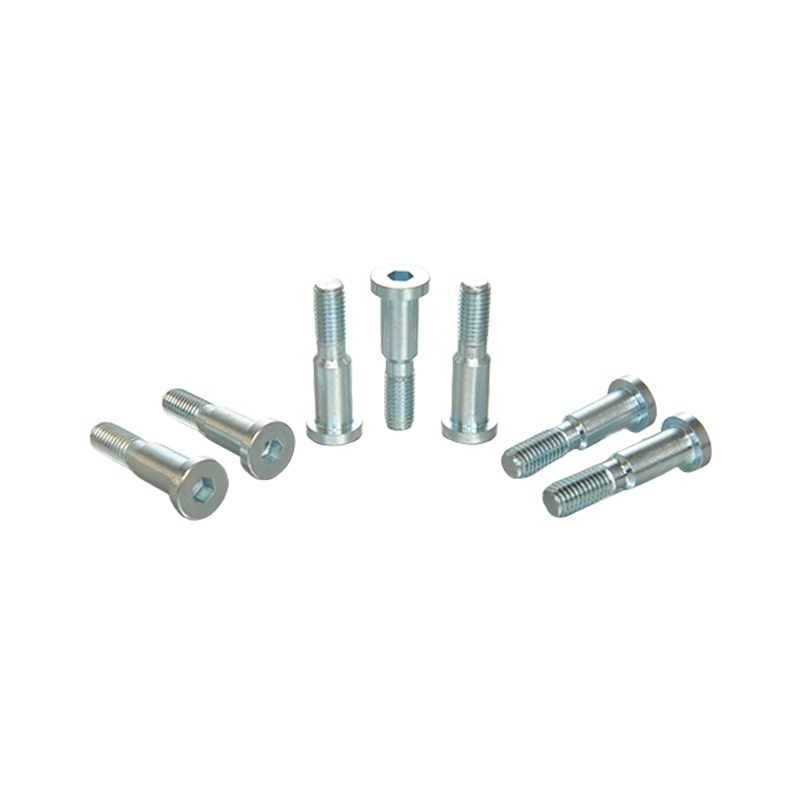
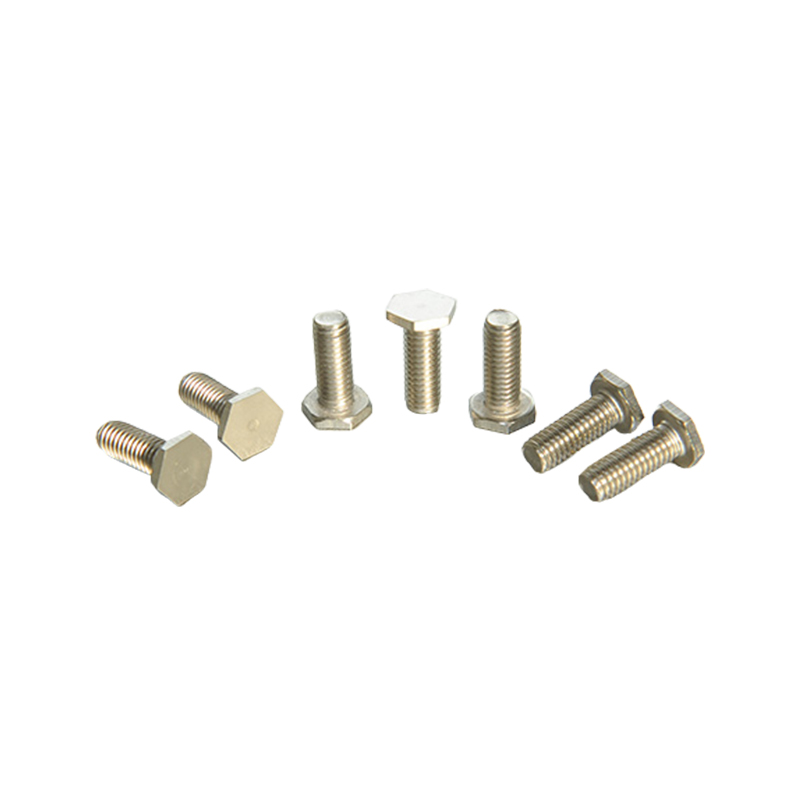
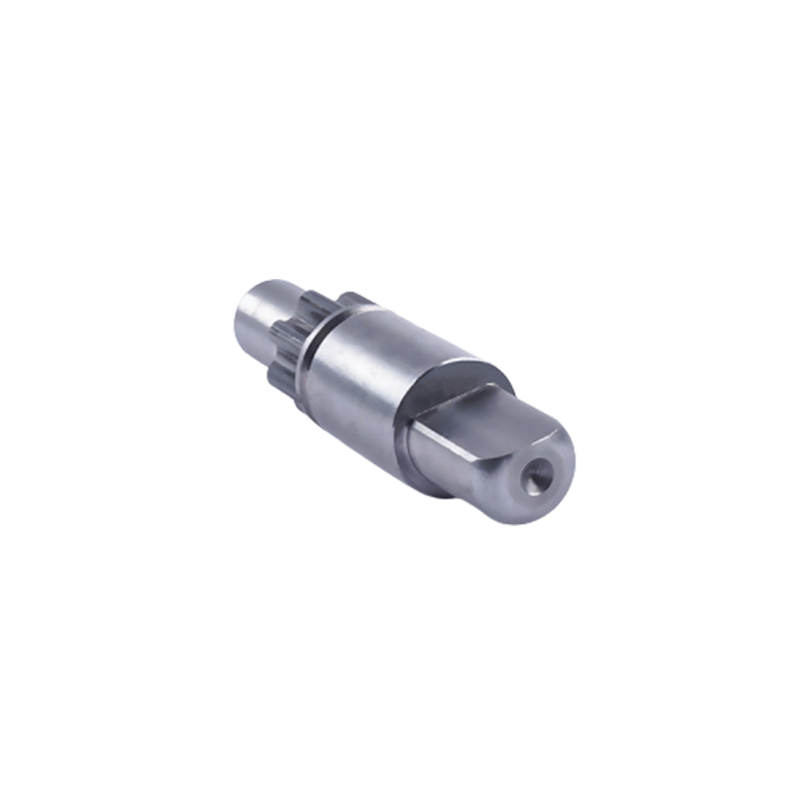 Custom Non-Standard Fasteners Manufacturers, FactoryAs a China Non-Standard Fasteners manufacturers and Non-Standard Fasteners factory, Ningbo Risheng Fastener Co., Ltd. custom Non-Standard...View Product →
Core Capabilities to Evaluate in a Custom Fastener Manufacturer
When you evaluate a custom fastener manufacturer, the first question is not price. It is whether the plant can form, finish, and test your part correctly. Three capability areas deserve the closest review.
Cold Heading, Machining, and Forming Equipment
Cold heading is the most efficient way to produce large volumes of uniform fasteners. A blank is formed at room temperature in a multi-station die, creating features such as washer faces, serrations, undercuts, and reduced shanks in one continuous process. For small batches or forming-limited geometry, CNC machining takes over. The strongest custom fastener production lines combine cold heading for volume, CNC for detail, and thread rolling for the final profile.
Ask the plant for its equipment list and confirm:
- The number of forming stations on the cold headers; four-die four-station machines handle far more complex shapes than two-die systems.
- Whether CNC machining is available for prototypes, small batches, and features forming cannot produce.
- Whether thread rolling is in-house, because rolled threads deliver better fatigue strength than cut threads.
- Whether support processes such as automatic end upsetting are available for special tail forms.
A plant with this equipment base can control the full geometry of a custom part in-house.
Heat Treatment and Surface Finish Options
Heat treatment and surface finishing set the final mechanical and corrosion performance of a custom fastener. Quenching and tempering control hardness, tensile strength, and ductility. Surface treatment controls corrosion resistance, friction behavior, and hydrogen embrittlement risk. Material grade and finish must be specified together, because a geometry that passes salt spray in one finish may fail in another.
Common options include color zinc, yellow zinc, blue-white zinc, environmental black zinc, and galvanizing for thicker protection. Dacromet, a zinc-aluminum flake coating, is used where high corrosion resistance and consistent torque behavior are required. Each option has a different performance window.
When reviewing these options, ask:
- What hardness range is targeted and how is it verified?
- Does the plant run salt spray tests on finished parts?
- Can the supplier provide Dacromet coated screw options
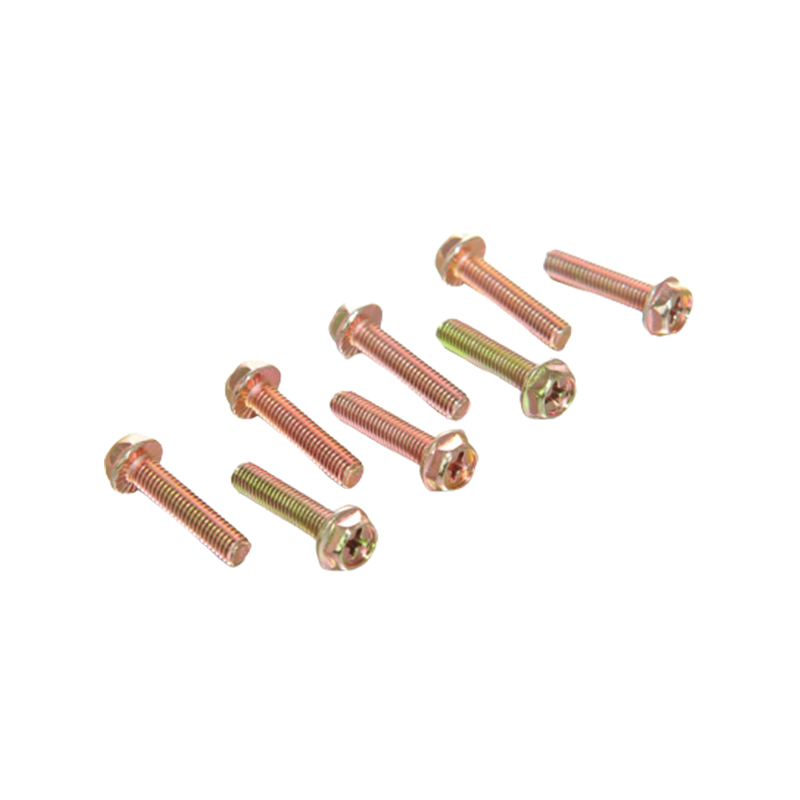
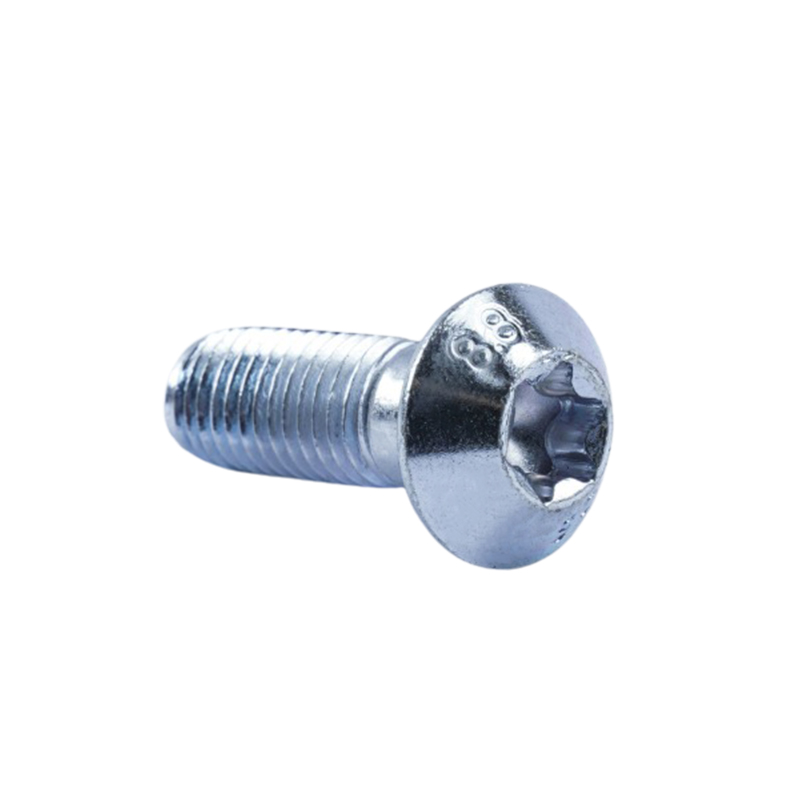
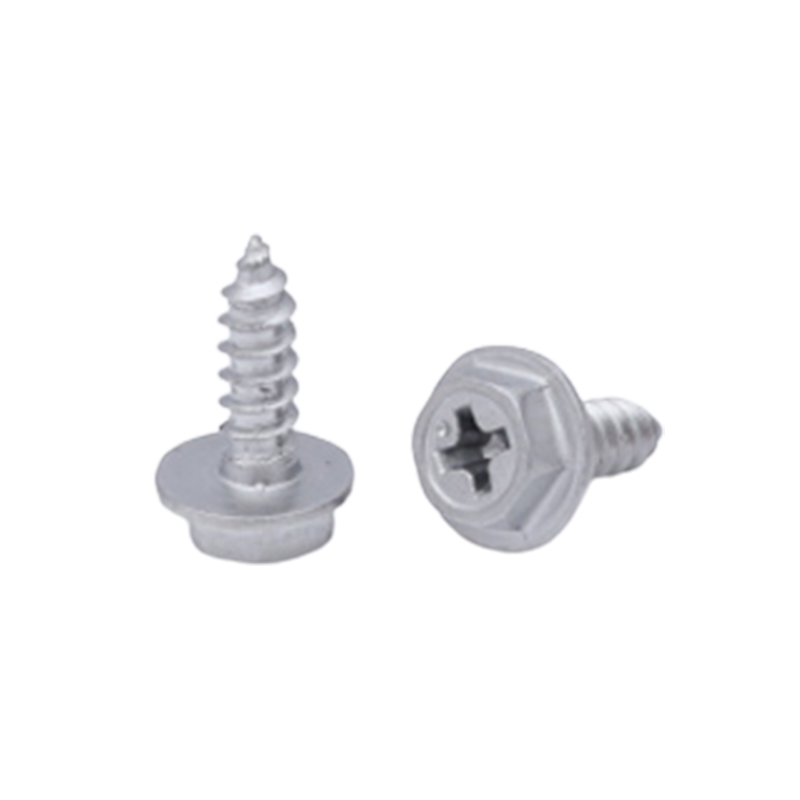 Dacromet Socket Screws Manufacturers, Dacromet Screws FactoryNingbo Risheng Fastener Co., Ltd. is China dacromet socket screws manufacturers and dacromet screw factory, we custom dacromet socket scr...View Product → when extended protection is needed?
 - Are all finishes compliant with European RoHS requirements?
A custom fastener maker that controls heat treatment and finishing in-house gives you more predictability than one that subcontracts these steps.
Quality Systems: What Testing Should You Demand from a Custom Fastener Maker?
Custom fasteners fail in predictable ways: dimensional drift, thread profile errors, inconsistent hardness, surface defects, and mixed material lots. A reliable custom fastener maker must have the test equipment to catch these problems before shipment and the documentation to prove it.
An in-house inspection laboratory should include at minimum:
- Profile projector for dimensional and thread-form verification.
- Torque machine for driving torque testing.
- Tensile tester for proof and break load.
- Rockwell hardness tester for hardness control after heat treatment.
- Salt spray test chamber for corrosion resistance.
- Metallographic mounting machine for microstructure analysis.
- Screw sorting machine for 100% inspection of dimensions and surface defects.
For safety-critical or high-volume parts, process sampling is not enough. Ask whether the plant can sort every piece, then demand an outgoing report with material test certificates, dimensional results, hardness values, and salt spray conclusions. A material test report that ties each batch to its heat number is the minimum traceability an OEM should accept.
From Drawing to Delivery: The Custom Fastener Production Process
A serious custom fastener program follows a defined sequence, and both sides should agree to it before work begins.
- Requirement confirmation: you provide a drawing, sample, or performance target, and the manufacturer confirms geometry, tolerances, and key characteristics.
- Material and manufacturability review: the supplier evaluates whether the part can be cold headed, machined, or formed, and flags features that need adjustment.
- Sampling: tooling is prepared, first-off pieces are produced, and the sample report covers dimensions, hardness, and finish.
- Trial run and testing: a pilot batch is produced under production conditions and compared with the approved sample.
- Batch production and outgoing inspection: running production is monitored with the same gauges and tests used in approval.
The most important sign of a capable custom fastener supplier appears at the second stage. A good manufacturer will push back on geometry that is costly or risky to produce, rather than accepting the drawing and solving the problem later at your expense. That early feedback is part of the value of a true custom program.
If your part family involves underhead serrations, special drives, or multi-feature heads, check whether the plant already has custom screw manufacturing capabilities in that area. Existing tooling and experience shorten the development cycle and reduce the risk of a first-run surprise.
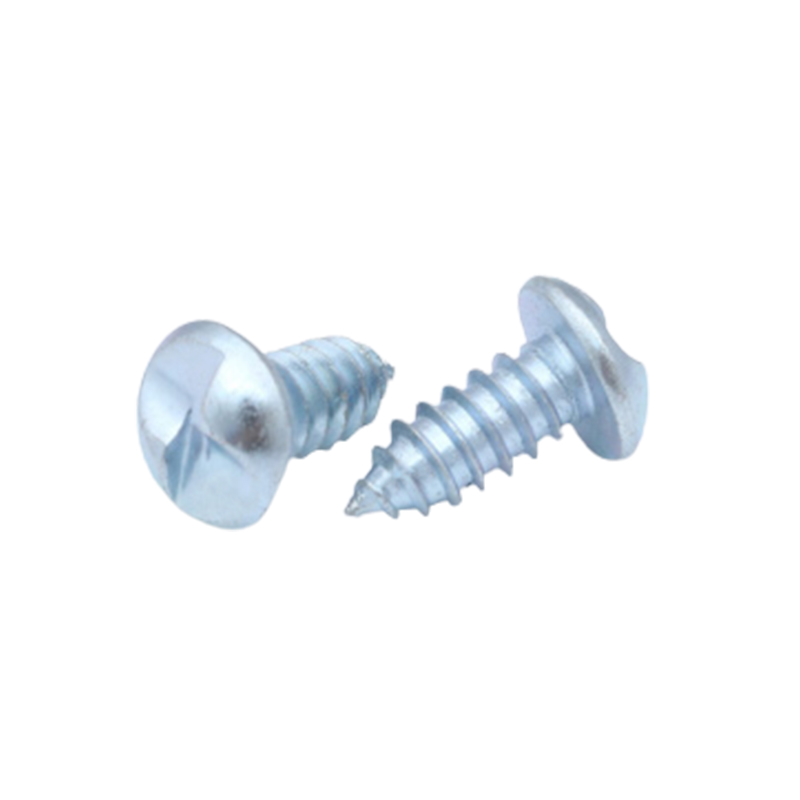
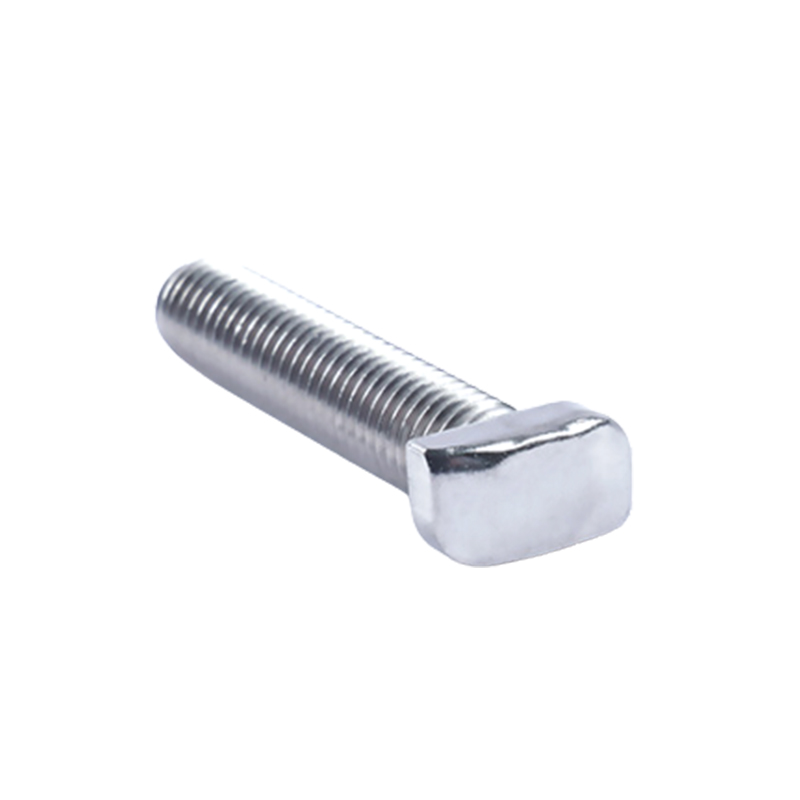 Custom Non-Standard Screws Manufacturers, FactoryAs a China Non-Standard Screws manufacturers and Non-Standard Screws factory, Ningbo Risheng Fastener Co., Ltd. custom Non-Standard Screws.View Product →
Standards, Compliance, and Global Sourcing Considerations
Fastener standards differ by region, and a custom part can be manufactured to any of them. DIN standards dominate much of Europe, ISO provides an international baseline, ANSI covers the North American market, and GB is the Chinese national system. A custom program may also follow a proprietary specification used only by your company. What matters is that the manufacturer can produce and document compliance to the standard your market expects.
Environmental compliance is part of the sourcing decision. Surface treatments and materials entering the European market must meet European RoHS requirements. Ask the supplier how RoHS affects finish selection and request the relevant declarations before approving the part.
Cross-border sourcing adds communication and documentation risk. Language capability, time zones, and export experience directly affect how smoothly a custom program runs. A plant with established export activity in Europe, the Americas, and Japan is generally better prepared to handle the documentation, packaging, and communication standards international buyers expect.
The manufacturer referenced in this guide, for instance, produces to GB, JS ANSI, DIN, and ISO standards, meets European RoHS requirements, and exports mainly to Europe, the Americas, and Japan. Established in 1984, the company operates a 22,000-square-meter facility with around 120 employees and offers its website in English, Spanish, and Japanese. You can verify these claims by reviewing the company's manufacturing history and export experience.
Questions to Ask a Custom Fastener Supplier Before You Commit
Use this checklist as a filter. A supplier that answers directly and supports each answer with documentation is worth a trial order. A supplier that hesitates on equipment or testing questions is a warning sign.
Capability questions:
- Which forming processes do you operate in-house: cold heading, CNC machining, thread rolling, or upsetting?
- How many forming stations do your cold headers have for complex geometries?
- Which surface treatments do you offer, and what salt spray performance does each reach?
- Do you perform heat treatment in-house or through an approved subcontractor?
Quality system questions:
- Which instruments are in your inspection lab: profile projector, torque machine, tensile tester, hardness tester, salt spray chamber?
- Can you provide a material test report and a dimensional report with each batch?
- Can you perform 100% inspection on critical dimensions and surface defects?
- How do you control hardness consistency across large production batches?
Delivery and service questions:
- What is your sampling cycle for a new drawing or sample part?
- How do you ensure the pilot run matches the approved sample?
- Which standards can you produce to: DIN, ISO, ANSI, GB, or proprietary specifications?
- Do your surface finishes meet European RoHS requirements?
- Which markets do you export to, and what export documentation do you provide?
Conclusion: Build a Sourcing Strategy Around Verified Capabilities
Choosing a custom fasteners manufacturer is a capability decision, not a price comparison. The right partner will show you its forming equipment, explain its quality system, name its test instruments, and walk you through a defined development process. Use the questions in this guide to shortlist candidates, then confirm every claim with a sample order and documented test results.
If a manufacturer can demonstrate in-house cold heading and CNC capacity, controlled heat treatment and finishing, a working inspection laboratory, and clear export experience, it is ready for your drawing. Verify those capabilities first; the rest of the sourcing process becomes far more predictable.