 English
 Español
 日本語
日本語

Introduction to Triangular Self-Tapping Locking Screws
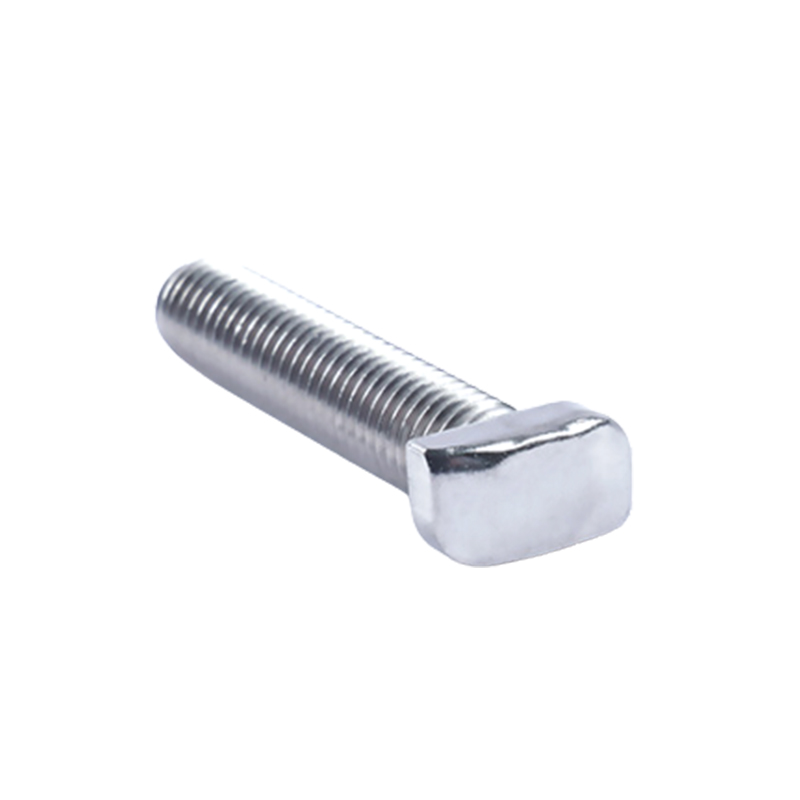
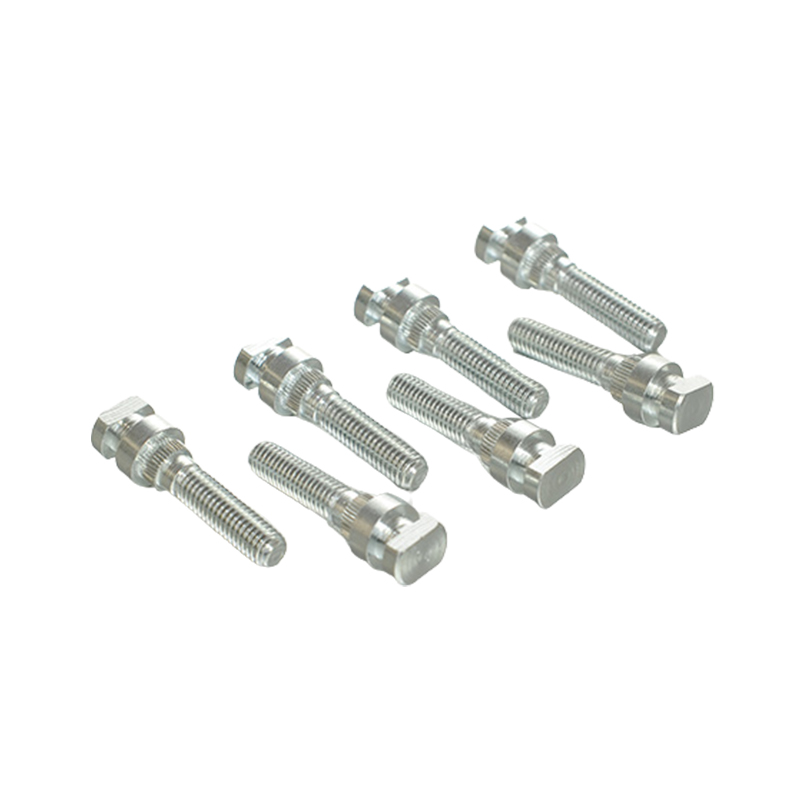
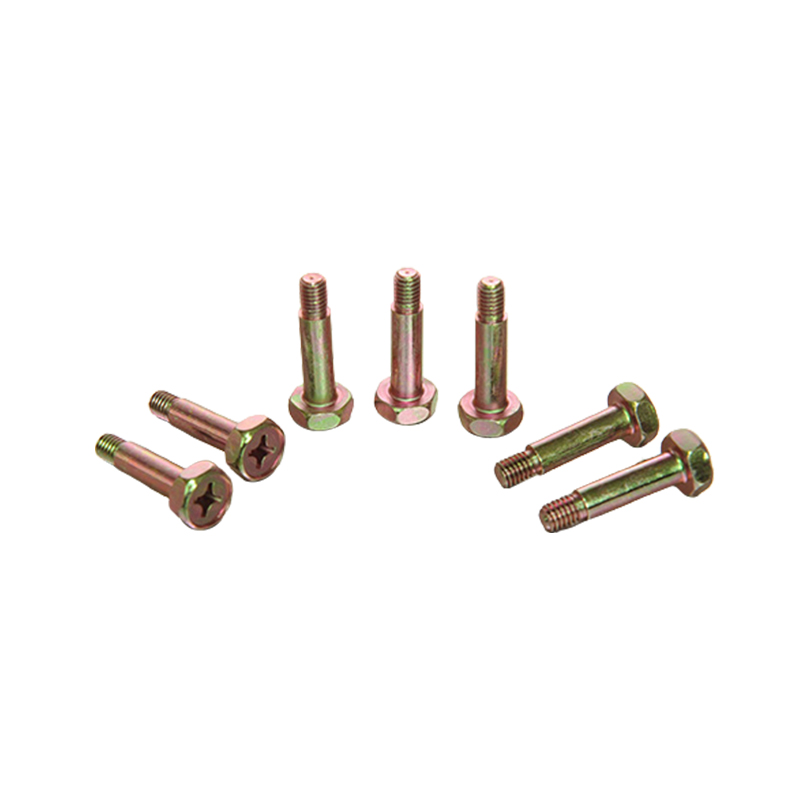
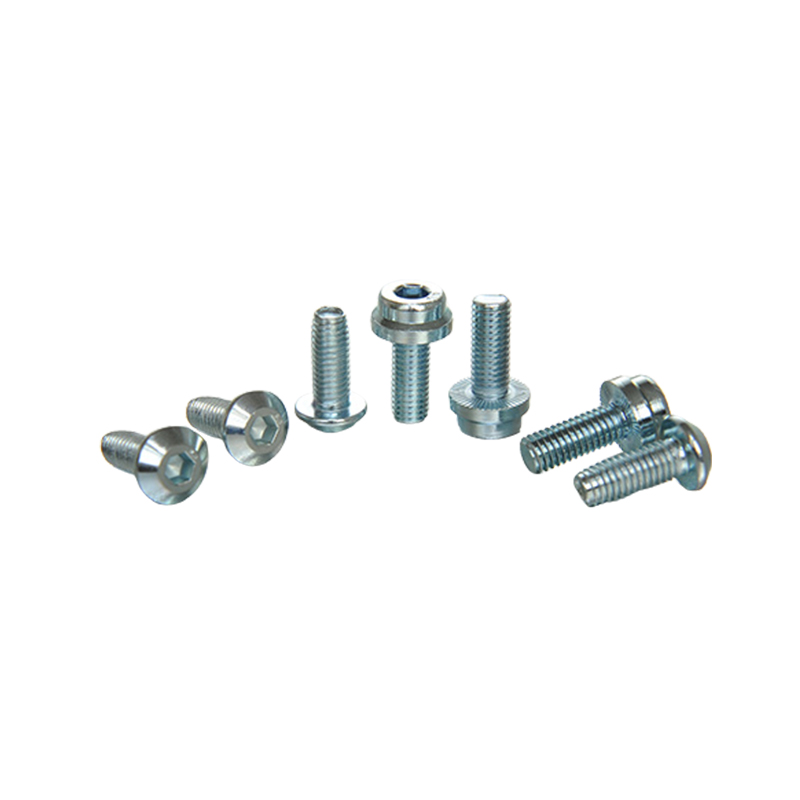
Triangular self-tapping locking screws are specialized fasteners designed to provide secure and reliable connections in various industrial and mechanical applications. These screws are characterized by their unique triangular shape, which allows them to self-tap into materials such as metal, plastic, and wood without the need for pre-drilling. Their ability to create a strong, tight fit makes them highly useful in applications that require stability, durability, and ease of assembly.One of the key attributes of triangular self-tapping locking screws is their ability to resist vibration and corrosion, two factors that are critical in ensuring the longevity and performance of fasteners in challenging environments.
Vibration Resistance of Triangular Self-Tapping Locking Screws
Vibration resistance is an essential property for fasteners, particularly in applications where machinery or equipment is subject to frequent or continuous vibrations. Over time, vibrations can cause conventional screws to loosen, resulting in structural instability and potential failure. Triangular self-tapping locking screws are designed to combat this issue by providing a secure and tight fit that minimizes the chances of loosening over time.
The triangular shape of these screws enhances their ability to grip the material into which they are inserted. Unlike traditional screws, which rely solely on threads to hold them in place, triangular self-tapping locking screws have additional features that improve their resistance to vibration. The unique geometry of the screw creates a more stable connection by distributing forces more evenly across the contact surface. This minimizes the likelihood of the screw loosening under vibration, making them ideal for use in machines, vehicles, and equipment exposed to dynamic forces.
In industries such as automotive, aerospace, and heavy machinery, the resistance to vibration is a critical requirement. Triangular self-tapping locking screws provide an effective solution to this challenge, ensuring that components remain securely fastened even in high-vibration environments. The design of these screws prevents the need for additional locking mechanisms, which simplifies the assembly process and reduces overall maintenance costs.
Corrosion Resistance of Triangular Self-Tapping Locking Screws
Corrosion is a common problem that can significantly reduce the lifespan and performance of fasteners. When screws are exposed to moisture, chemicals, or harsh environmental conditions, they are vulnerable to rust and deterioration. This can weaken the connection between components and lead to failure. Triangular self-tapping locking screws are often made from materials that possess corrosion-resistant properties, ensuring that they can withstand exposure to challenging conditions without losing their effectiveness.
One of the primary materials used in the manufacturing of triangular self-tapping locking screws is stainless steel, known for its excellent corrosion resistance. Stainless steel screws are highly resistant to rust and corrosion, making them suitable for use in environments where moisture or chemicals are present, such as in marine, outdoor, or industrial applications. Additionally, screws made from stainless steel are durable and can withstand high temperatures without degrading, further enhancing their performance in extreme conditions.
In some cases, triangular self-tapping locking screws are coated with protective layers, such as zinc or ceramic coatings, to provide additional resistance to corrosion. These coatings serve as a barrier between the screw and the environment, preventing moisture and chemicals from coming into contact with the metal. The corrosion resistance of these screws makes them ideal for long-term applications, where frequent replacements are not feasible.
Materials Used for Triangular Self-Tapping Locking Screws
The material used to manufacture triangular self-tapping locking screws plays a significant role in their performance, particularly in terms of vibration resistance and corrosion resistance. Common materials include:
- Stainless Steel: Known for its high corrosion resistance and strength, stainless steel is a popular choice for triangular self-tapping locking screws. It is highly resistant to rust and oxidation, making it ideal for use in outdoor, marine, or industrial environments.
- Carbon Steel: Carbon steel is another material used for triangular self-tapping locking screws, offering excellent strength. However, it is more susceptible to corrosion compared to stainless steel. To improve its resistance to corrosion, carbon steel screws are often coated with protective layers.
- Alloy Steel: Alloy steel, which is made by combining carbon steel with other metals, is used for triangular self-tapping locking screws that require enhanced strength and heat resistance. Alloy steel screws are suitable for heavy-duty applications where both strength and resistance to corrosion are necessary.
- Coated Materials: In some cases, triangular self-tapping locking screws are coated with materials such as zinc or nickel to enhance their corrosion resistance. These coatings create a protective layer that prevents rust and corrosion, especially in humid or harsh environments.
The choice of material depends on the specific application and environmental conditions the screws will be exposed to. For example, marine environments or outdoor applications may require stainless steel or coated screws, while industrial settings may prioritize alloy steel for added strength.
Design Features of Triangular Self-Tapping Locking Screws
Triangular self-tapping locking screws are designed with unique features that enhance their performance in various applications. These design elements contribute to their vibration resistance, corrosion resistance, and overall functionality:
- Triangular Head Design: The triangular head design provides an additional level of security by creating a more stable connection between the screw and the material. This shape increases the contact surface area and helps distribute forces more evenly, reducing the chances of loosening under vibration.
- Self-Tapping Threads: The self-tapping threads allow the screw to create its own hole as it is driven into the material, eliminating the need for pre-drilling. This makes installation faster and more convenient, while the threads also help grip the material more securely, improving resistance to vibration.
- Locking Mechanism: The locking mechanism within the screw ensures that it remains securely fastened even in high-vibration environments. This mechanism helps prevent the screw from loosening over time, reducing the need for frequent maintenance or replacements.
- Durable Coatings: Many triangular self-tapping locking screws are coated with protective layers to enhance their resistance to corrosion. These coatings act as a barrier between the screw and the environment, reducing the risk of rust and deterioration.
These design features make triangular self-tapping locking screws suitable for a wide range of applications, particularly in industries where vibration resistance and corrosion protection are critical.
Applications of Triangular Self-Tapping Locking Screws
Triangular self-tapping locking screws are used in various industries and applications, where their vibration-resistant and corrosion-resistant properties are essential. Some common uses include:
- Aerospace: In aerospace applications, components are often subjected to high levels of vibration and harsh environmental conditions. Triangular self-tapping locking screws provide secure connections that can withstand these stresses, ensuring the reliability and safety of aerospace equipment.
- Automotive: Automotive manufacturers use triangular self-tapping locking screws to fasten parts of vehicles, including engines, chassis, and interior components. These screws offer resistance to vibration, preventing loosening during operation and providing long-lasting performance in vehicles.
- Marine: In marine environments, exposure to moisture and salt can lead to corrosion. Triangular self-tapping locking screws made from stainless steel or coated materials are ideal for use in boats, ships, and offshore platforms, where corrosion resistance is critical.
- Heavy Machinery: Heavy machinery and industrial equipment often operate in high-vibration environments. The durability and stability of triangular self-tapping locking screws make them an ideal choice for securing components in these machines, ensuring safe and efficient operation.
These applications demonstrate the versatility and importance of triangular self-tapping locking screws in industries that require reliable, long-lasting fasteners.
Comparison of Triangular Self-Tapping Locking Screws and Other Fasteners
When choosing fasteners for vibration-resistant and corrosion-resistant applications, it is useful to compare triangular self-tapping locking screws with other types of fasteners. The following table summarizes the features and benefits of triangular self-tapping locking screws compared to traditional screws:
| Fastener Type | Vibration Resistance | Corrosion Resistance | Ease of Installation | Common Applications |
| Triangular Self-Tapping Locking Screws | High | High (especially stainless steel) | Moderate (self-tapping) | Aerospace, automotive, heavy machinery, marine |
| Traditional Screws | Moderate | Moderate (depends on material) | Easy | General use, furniture assembly |
| Locking Washers | Moderate | Low (requires coatings for corrosion resistance) | Easy | General use, automotive, machinery |
Triangular Self-Tapping Locking Screws
Triangular self-tapping locking screws provide effective solutions for applications requiring vibration resistance and corrosion protection. Their unique design features, such as the triangular shape and self-tapping threads, make them well-suited for environments where secure connections are essential. Whether in aerospace, automotive, marine, or heavy machinery industries, these screws offer durability and reliability, reducing the need for frequent replacements and maintenance.