 English
 Español
 日本語
日本語

Introduction to Combination Screws
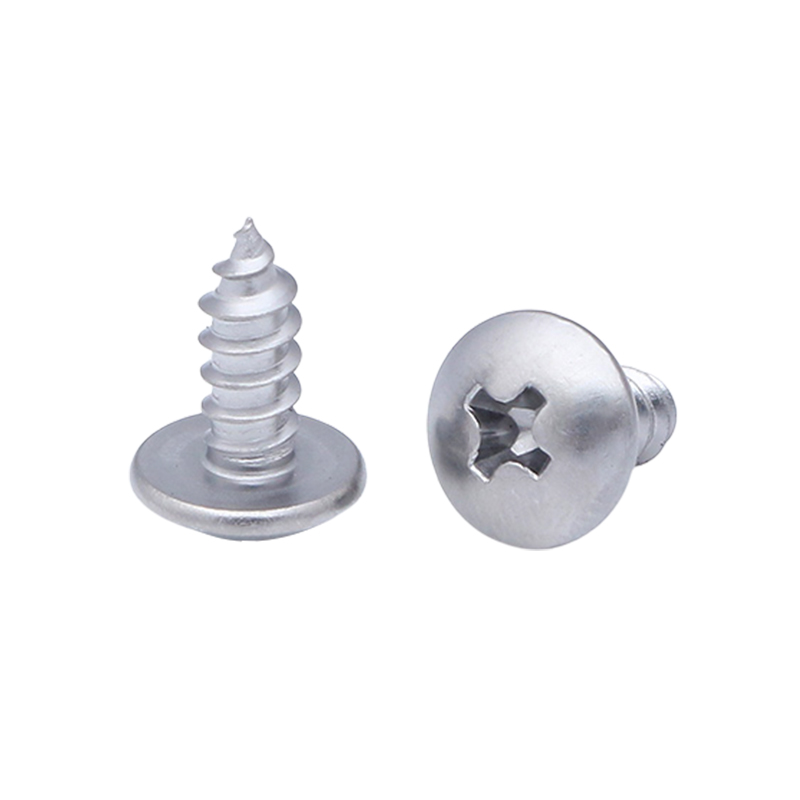
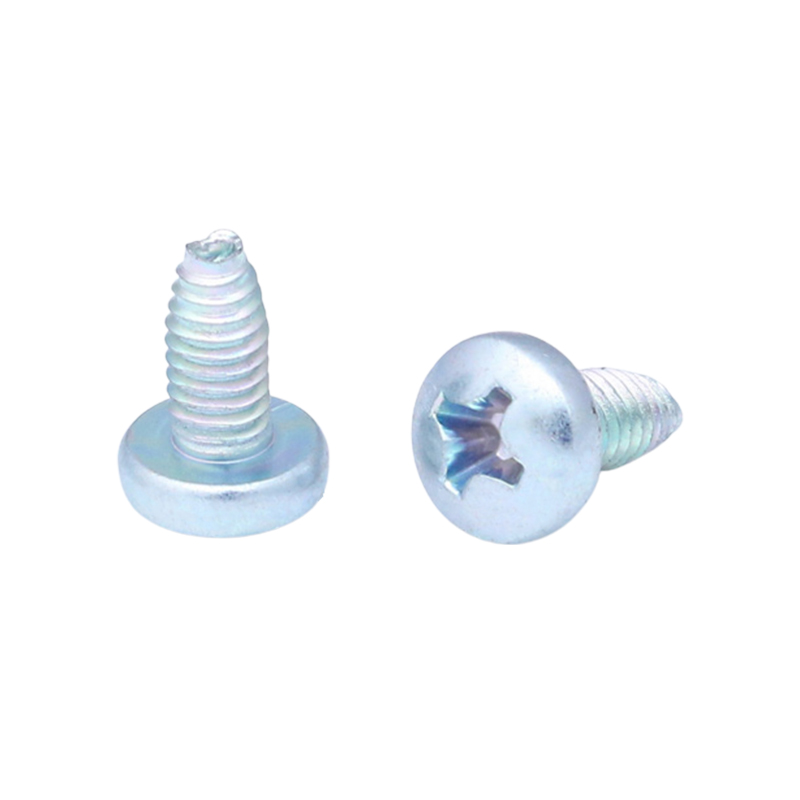
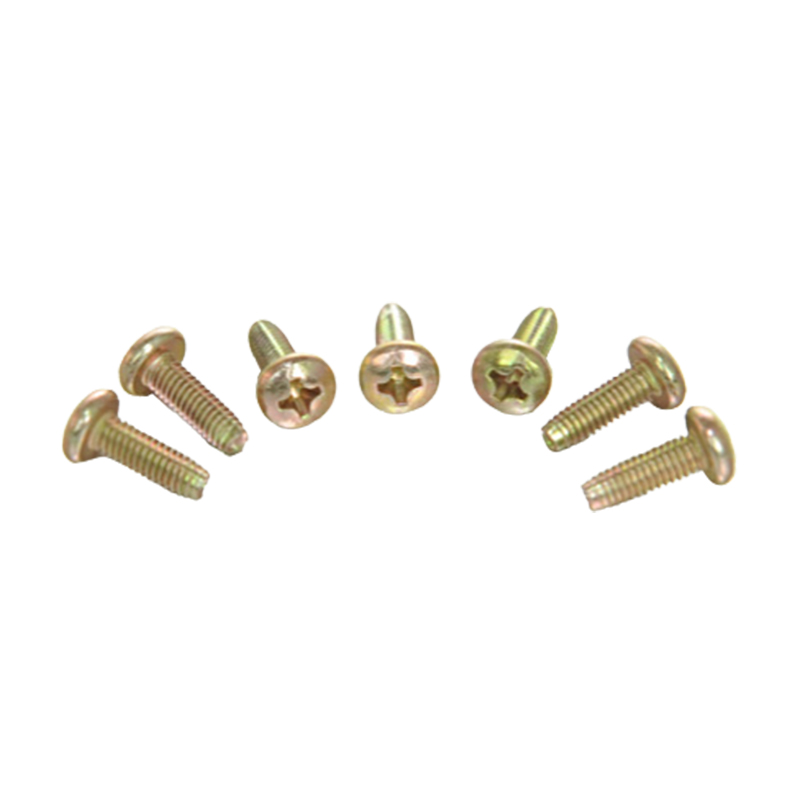
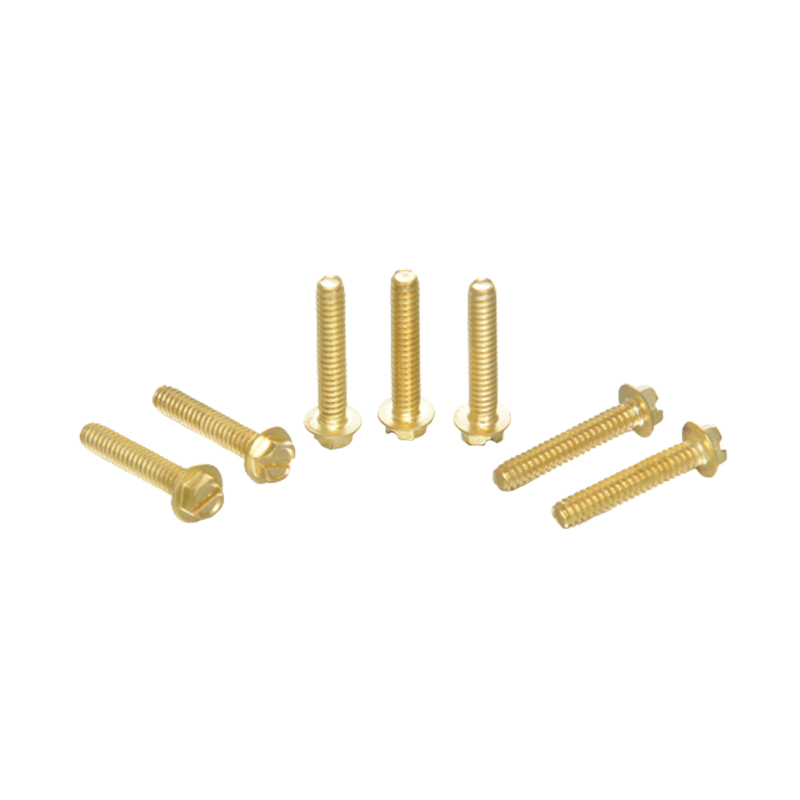
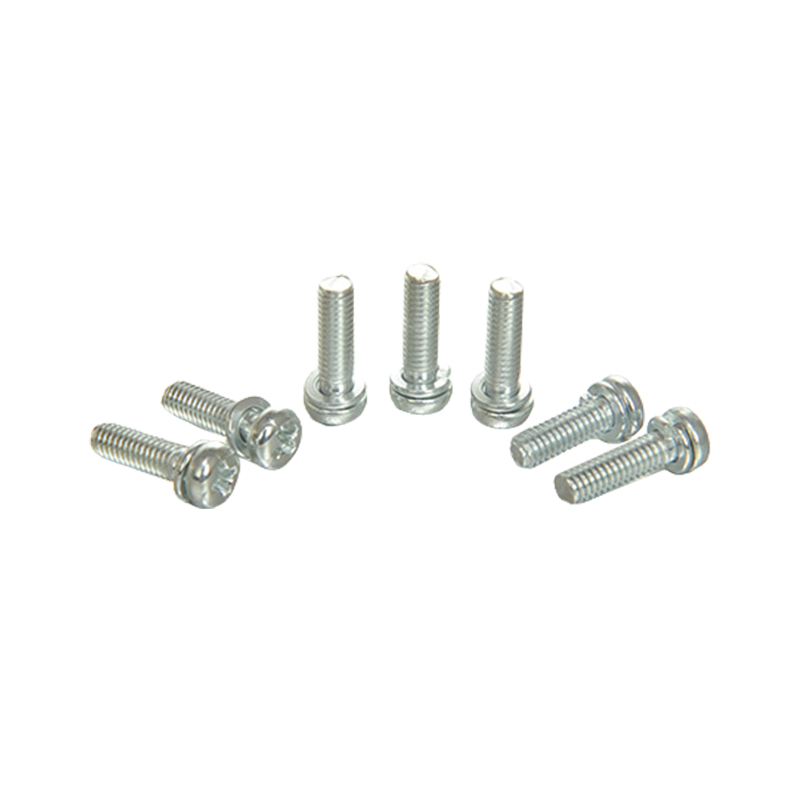
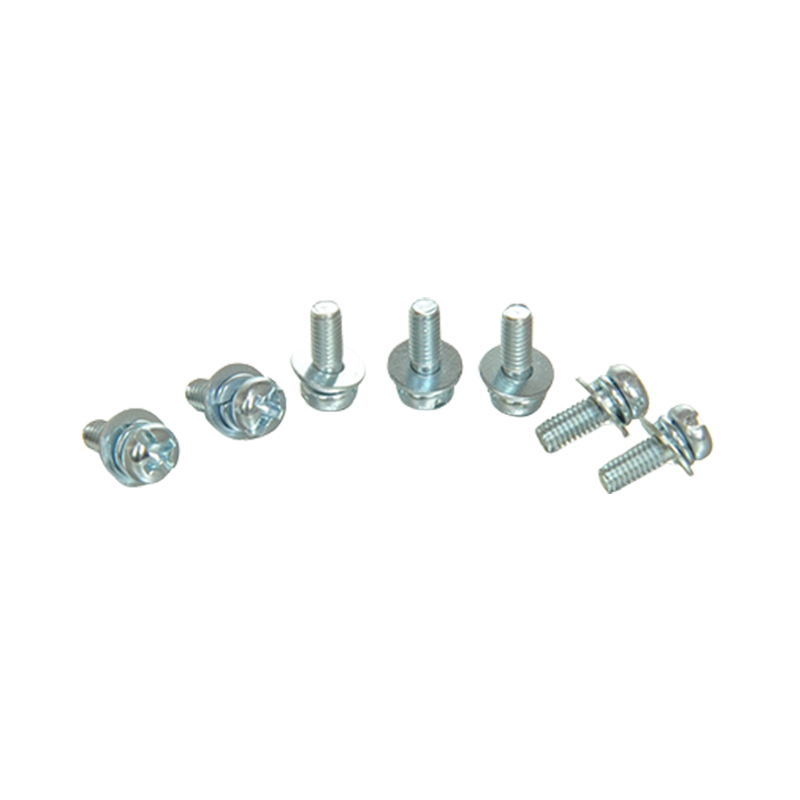
Combination screws are specialized fasteners designed to function with multiple types of screwdrivers or tools, typically featuring heads compatible with both slotted and Phillips drivers. This dual functionality offers convenience and versatility, allowing installers to work with a wider range of tools without needing multiple screw types. However, their multifunctional design can introduce certain challenges in terms of installation, durability, and long-term performance.
Material and Manufacturing Considerations
Combination screws are commonly manufactured from metals such as stainless steel, carbon steel, or brass. The choice of material affects strength, corrosion resistance, and wear characteristics. Stainless steel combination screws offer rust resistance, while carbon steel may require plating to prevent corrosion. Manufacturing precision is critical; any inconsistency in the head design or threading can affect engagement with tools and increase the likelihood of stripping or deformation during use.
Common Problems: Head Stripping
One of the most frequent issues with combination screws is stripping of the head. The dual-slot design often reduces the amount of contact area for the driver compared to dedicated single-type screws. Excessive torque, misalignment during installation, or the use of low-quality tools can wear down the edges of the screw head, making it difficult to remove or tighten the screw. Preventing this problem requires correct tool selection and careful installation practices.
Driver Compatibility Challenges
While combination screws are designed to accept multiple driver types, not all drivers may engage effectively with the screw head. Minor differences in driver tip size or shape can reduce torque transfer and lead to slippage. This is especially a concern when working with longer screws or harder materials. Ensuring that the driver is fully seated and compatible with the screw head improves engagement and reduces the risk of damage.
Torque and Installation Force Considerations
Excessive torque during installation can damage the screw, strip the head, or deform the threads. Combination screws often require moderate torque limits due to the dual-slot design. Applying consistent and controlled torque is essential, particularly when working with softer materials like aluminum or plastic. Using a torque-controlled screwdriver or drill can reduce the likelihood of over-tightening and subsequent damage.
Corrosion and Wear Issues
Material choice and environmental conditions affect the long-term corrosion resistance of combination screws. Stainless steel versions resist rust and oxidation, whereas untreated carbon steel or zinc-plated screws may deteriorate in humid or outdoor conditions. Wear can also affect the head over repeated use, reducing the effectiveness of the dual-slot engagement and making installation or removal more difficult. Protective coatings and regular inspection help address these issues.
Thread Compatibility and Fit
Combination screws must match the threading requirements of the materials being fastened. Mismatched threads can result in stripped or cross-threaded connections, compromising both mechanical strength and the integrity of the screw head. Pre-drilling pilot holes for hard materials or verifying thread compatibility helps ensure secure and stable fastening while reducing the risk of damage to the screw.
Installation and Tool Handling Precautions
Proper installation techniques are critical for combination screws. Using the correct driver, applying consistent pressure, and aligning the tool precisely with the screw head reduce the likelihood of slippage or head damage. When using power tools, controlling the torque and speed prevents excessive force that could strip the head or deform the screw. Careful handling during removal also prevents accidental damage to both the screw and the surrounding material.
Environmental Factors and Their Impact
Environmental conditions such as humidity, temperature fluctuations, or exposure to chemicals can affect combination screws. Stainless steel or coated screws maintain integrity under moderate conditions, while unprotected metals may corrode or weaken. Plastic or composite materials surrounding the screw can also degrade over time, affecting screw performance. Awareness of the environment and proper material selection reduce potential long-term problems.
Comparison of Common Screw Types and Combination Screws
| Screw Type | Driver Compatibility | Head Strength | Corrosion Resistance | Wear Resistance |
| Slotted | Single | Moderate | Depends on material | Moderate |
| Phillips | Single | High torque engagement | Depends on material | Moderate |
| Combination | Dual (Slotted + Phillips) | Moderate, slightly weaker than single-type | Depends on material and coating | Moderate to high with proper care |
Maintenance and Long-Term Use Considerations
For long-term performance, combination screws require periodic inspection, especially in applications subject to vibration, repeated removal, or exposure to corrosive environments. Checking for head wear, thread integrity, and signs of corrosion allows timely replacement before failure occurs. Proper storage and handling of spare screws also ensure that they remain undamaged and ready for use.
Design Features to Enhance Reliability
High-quality combination screws are designed with reinforced head geometry, precise threading, and corrosion-resistant coatings to improve durability. Rounded or chamfered slots reduce stress concentration and improve torque transfer. Some screws include treated surfaces to minimize rust and wear, enhancing performance in demanding applications.
Common Problems During Usage
Problems encountered with combination screws include head stripping, difficulty in tool engagement, thread deformation, and corrosion in unsuitable environments. These issues often arise from improper tool selection, over-tightening, material mismatch, or exposure to aggressive environmental conditions. Awareness of these potential issues allows for preventive measures, including proper installation, selection of appropriate materials, and routine inspection.
Recommendations for Safe and Effective Use
To minimize common problems, users should select combination screws suited for the material and environmental conditions, use compatible drivers, apply controlled torque, and perform periodic inspections. Pre-drilling holes in hard materials, choosing corrosion-resistant coatings, and following manufacturer guidelines further reduce risks of deformation, rust, or wear over long-term use.
Precautions and Common Problems
Combination screws provide flexibility and convenience but require careful attention to installation, material selection, and long-term maintenance. By understanding potential issues such as head stripping, corrosion, wear, and thread mismatch, users can take appropriate precautions to ensure reliable and safe fastening. Proper handling, environmental awareness, and adherence to installation guidelines contribute to the long-term performance of combination screws in a variety of applications.