 English
 Español
 日本語

A purchase order arrives with one line of description: SCREW, MACHINE, CROSS RECESSED PAN HD, FF-S-92 TY II, .164-32 UNC-2A x .500, ZINC PLATED. No drawing, no material class beyond plain steel, and no revision letter.
The missing revision letter is the first thing to settle. FF-S-92 is a federal specification, not a part number. The document titled Screw, Machine: Slotted, Cross-Recessed or Hexagon Head fixes the type, head style, material, strength, thread, and finish, then points to commercial standards for the actual dimensions. Match the type and style but quote the wrong revision, and a shipment that measures perfectly can still be rejected on material or plating grounds.
How FF-S-92 Is Organized: Types, Styles, and the Tables Behind Them
The specification sorts machine screws by drive first, then by head shape. Type codes name the drive; style codes name the head. Most RFQs quote both and leave everything else to the supplier.
- FF-S-92 machine screws
- Type I — slotted drive
- Style 1s — round head
- Style 2s — flat head, 82-degree included angle
- Style 3s — flat head, 100-degree included angle
- Style 4s — fillister head
- Additional styles listed in the specification tables
- Type II — cross-recessed drive, same head families with a cross recess
- Type III — hexagon head, external wrench drive
- Type I — slotted drive
Two details cause most of the confusion. The countersink angle is part of the style, so an 82-degree flat head (Style 2s) and a 100-degree flat head (Style 3s) are different parts; seating one in a countersink cut for the other costs bearing contact and clamp load. Heads also do not cross types freely. A hexagon head machine screw is a Type III, so a callout that combines hex head with a slotted or cross-recessed type code usually signals a mix-up on the drawing.
Machine screws are made for tapped holes or for assembly with nuts. If the joint is sheet metal, plastic, or wood, you want a tapping or self-drilling screw with a forming or cutting point instead.
B, C, or D? The Revision Decides the Contract
Three editions appear in real RFQs, and the issue dates mark the boundaries between different requirement sets.
Bar lengths are scaled to the years between successive issue dates of the published editions, so the 40-year gap between B and C is visible at a glance.
FF-S-92B dates from 1974 and still appears on legacy drawings and repair-part programs. FF-S-92C, issued in 2014, restates the requirements in the modern federal format: its material clauses set a minimum ultimate tensile strength of 60,000 psi and require corrosion-resisting steel to be 300 series. FF-S-92D, issued on 8 June 2020, supersedes C and is the edition to cite on new designs.
The revision letter changes what you quote and what you must prove:
- B — expect chemistry and finish options written before current environmental rules; confirm what is still legal to supply.
- C — the 60,000 psi tensile floor and the 300-series stainless requirement apply, and both belong on the inspection certificate.
- D — quote to D and check the specification status on the government ASSIST database before committing, because federal documents can be revised or cancelled with little public notice.
If the drawing cites FF-S-92 with no letter at all, ask the buyer to confirm. That email costs less time than a rejected lot.
Materials and Finishes: Where Most Disputes Start
Three material families carry the volume on federal prints: carbon steel for general assembly, alloy steel where the joint needs more strength than carbon steel data supports, and 300-series corrosion-resisting steel for anything calling out stainless performance.
The 300-series rule
That clause is worth repeating to buyers who specify stainless out of habit. Grade 410 is a martensitic stainless used widely in self-tapping and self-drilling screws, and it performs well in those products. It is not a 300-series grade, so it does not satisfy the corrosion-resisting clause of FF-S-92, even when the screws look and measure the same in the box. Where salt air, wash-down, or long outdoor exposure is part of the application, the grade decision matters more than the geometry; our note on how stainless steel screws hold up in corrosive service explains what that difference looks like after a few years in the field.
Finish selection and salt spray
Zinc plating is the default answer, quoted in salt-spray hours agreed with the customer rather than assumed. Cadmium appears in older specification text and is effectively unusable in many markets now, since RoHS caps cadmium at 0.01 percent by weight in homogeneous materials. Where corrosion life matters, such as outdoor enclosures, marine air, or automotive underbody, zinc flake coatings applied by dip-spin are the usual substitute, and they avoid the hydrogen embrittlement risk that comes with electroplating high-strength parts.
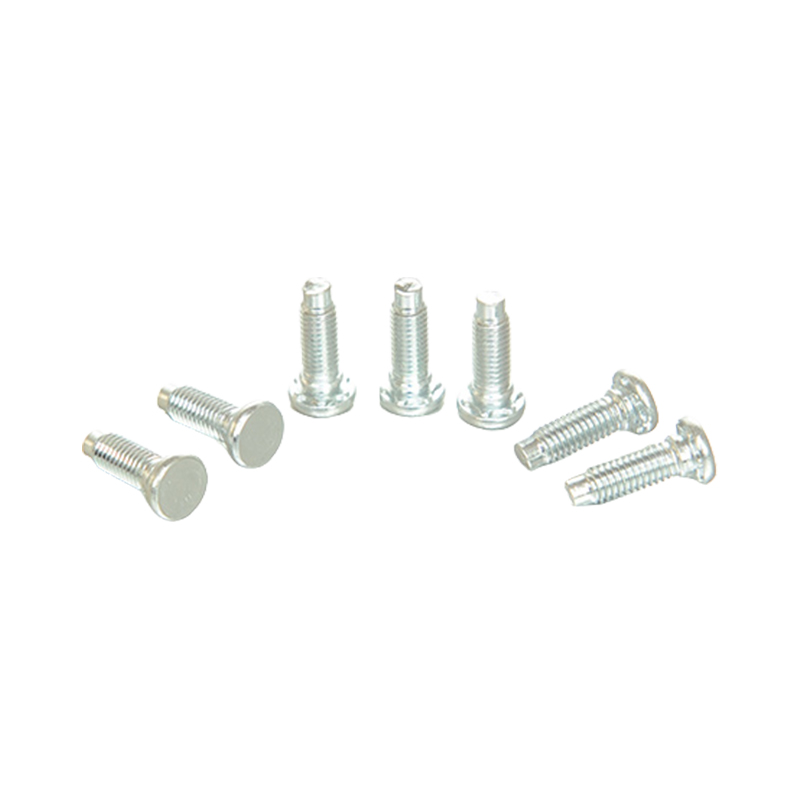
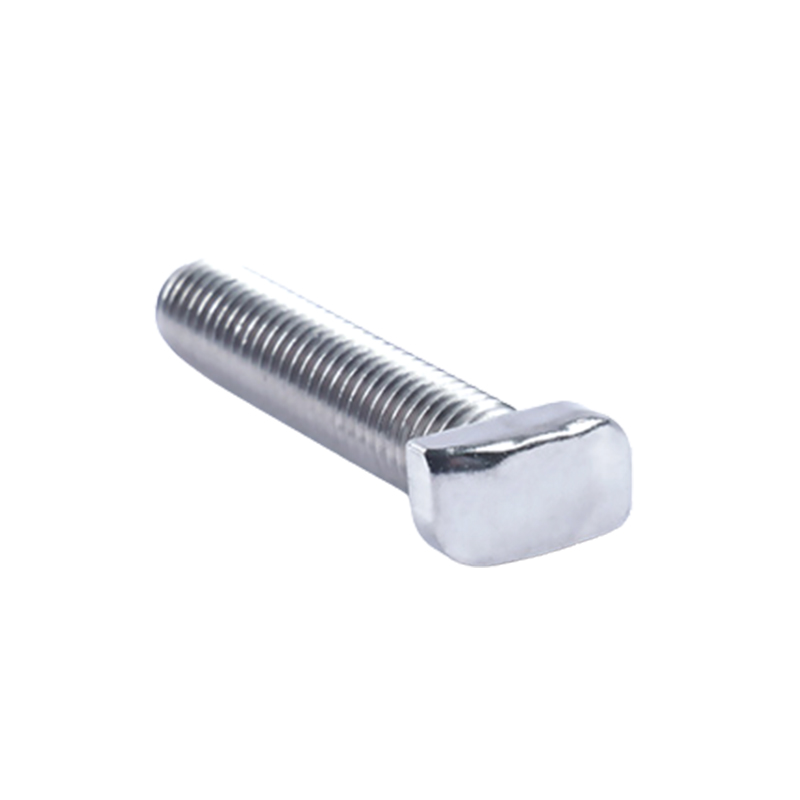
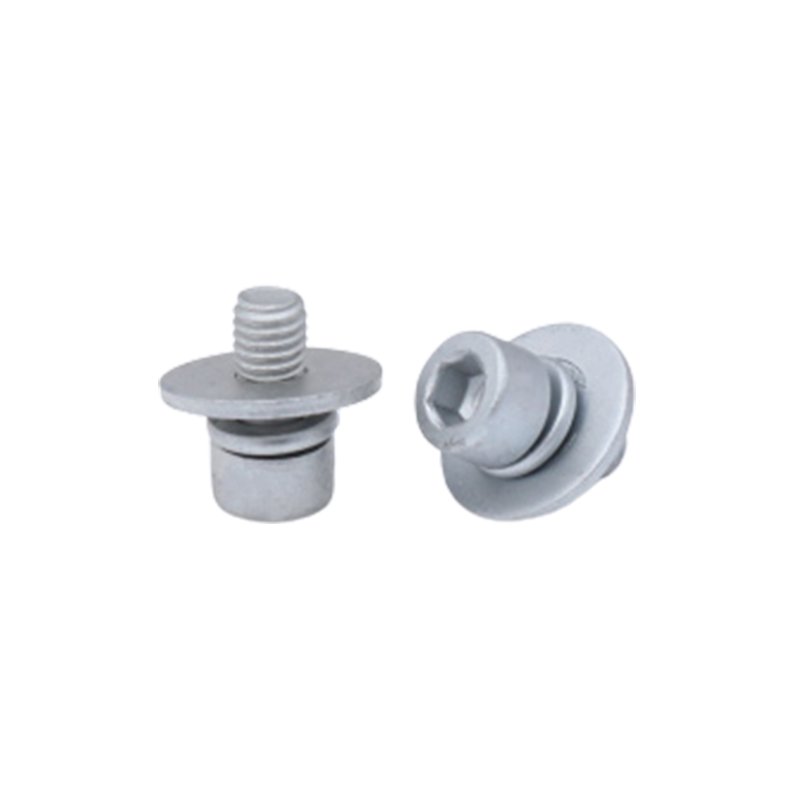 Hexagon Socket Head Dacromet ScrewsDacromet-coated hex socket head screws for inch-series applications needing zinc flake finish, quoted with coating weight and salt-spray evidence.View Product →
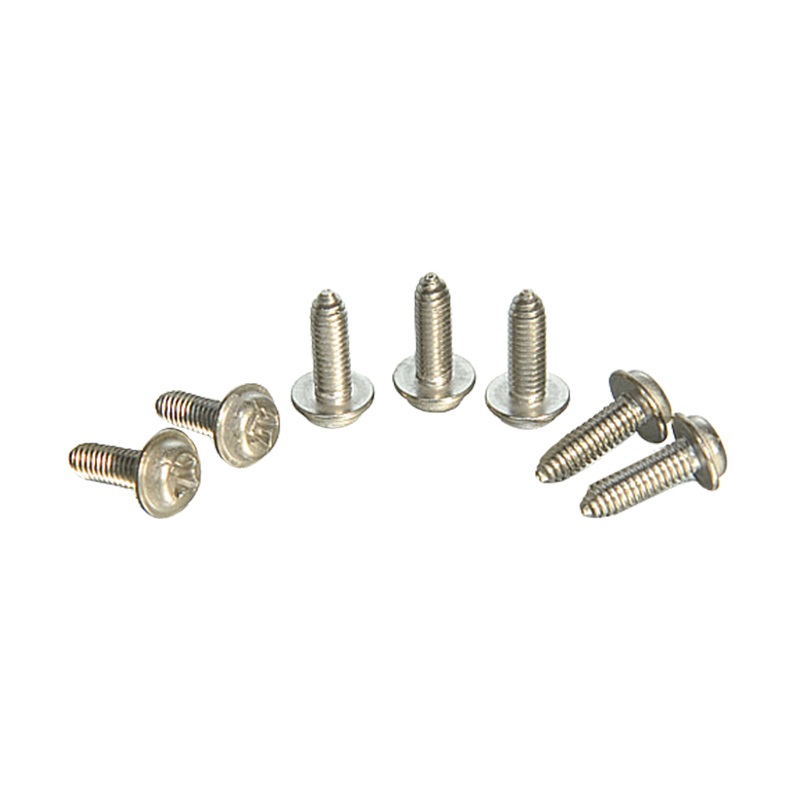
For inch-series screws that need a zinc flake finish, our hexagon socket head Dacromet screws are a standard production item, quoted with coating weight and salt-spray evidence.
Head Style and Drive: What Shows Up on the Assembly Line
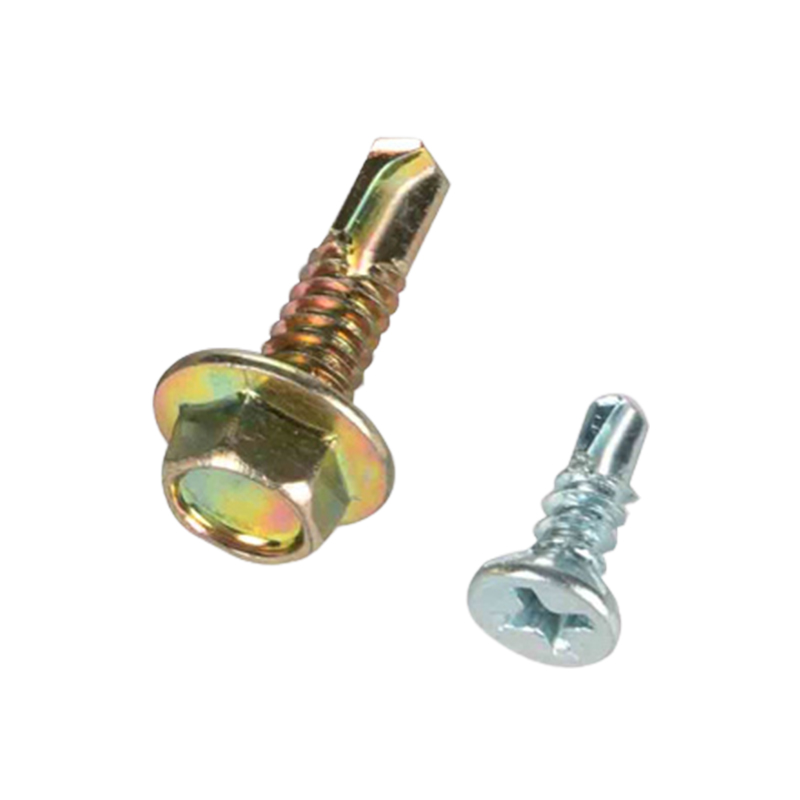
Drive choice is a tooling decision as much as a fastener decision. Slotted heads take the cheapest driver and slip earliest. Cross-recessed heads center themselves and accept more torque before cam-out, which is why they dominate appliance and electronics assembly. Hexagon heads take an external wrench and tolerate the highest torque of the three, at the cost of head height above the joint surface.
Recess dimensions are toleranced, and that is where field problems hide. A cross recess at the shallow end of tolerance engages less driver material, wears faster, and cams out at torque values the drawing says the screw should handle. When a line reports stripped recesses, check driver condition and recess depth before blaming the screws.
| Style | Head geometry | Bearing surface | Typical use |
|---|---|---|---|
| 1s | Round head | Flat underside | General assembly where a raised head is acceptable |
| 2s | Flat head, 82-degree angle | Countersunk, flush | Inch-series countersinks in metal panels |
| 3s | Flat head, 100-degree angle | Countersunk, flush | 100-degree countersinks, common in aerospace work |
| 4s | Fillister head | Flat underside | Deeper slot for higher driving torque in recessed joints |
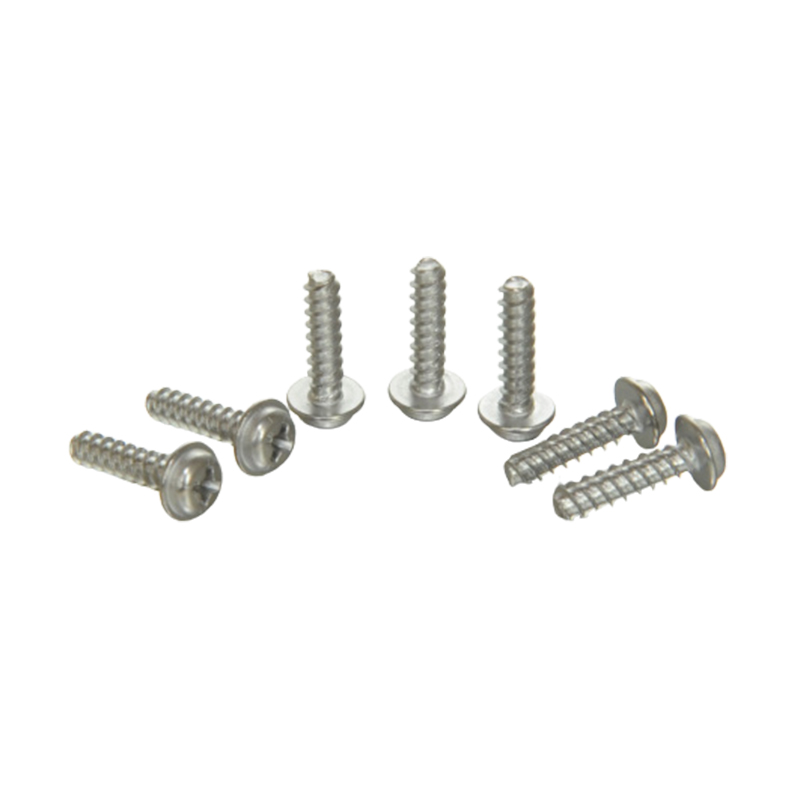
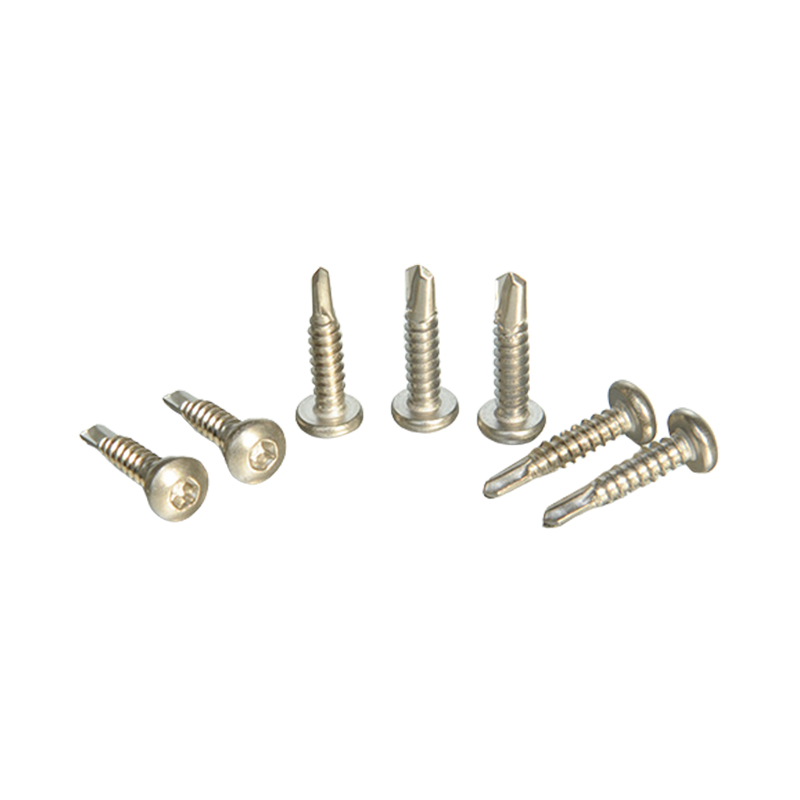
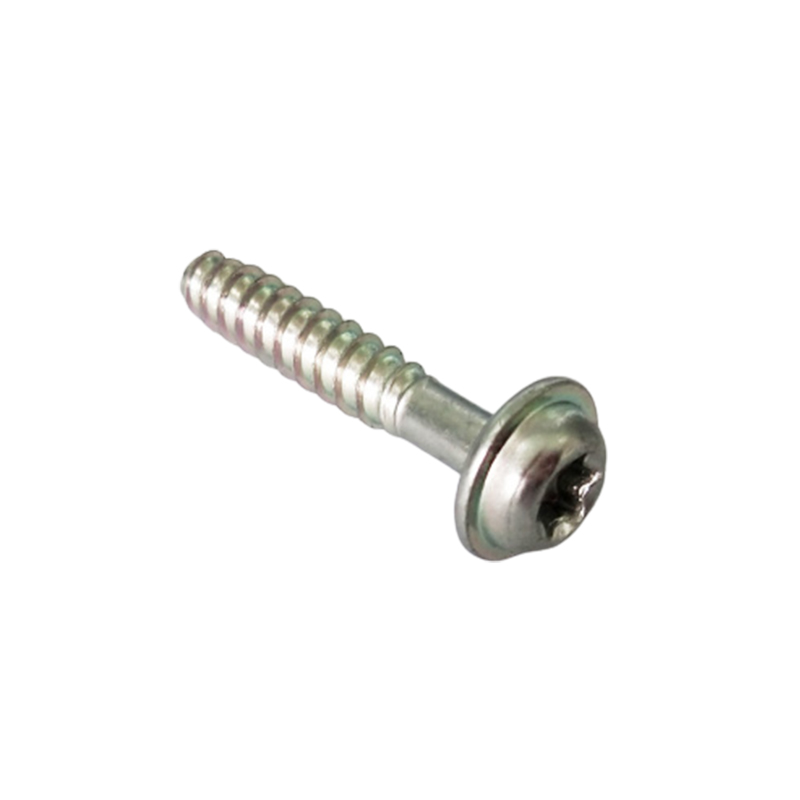
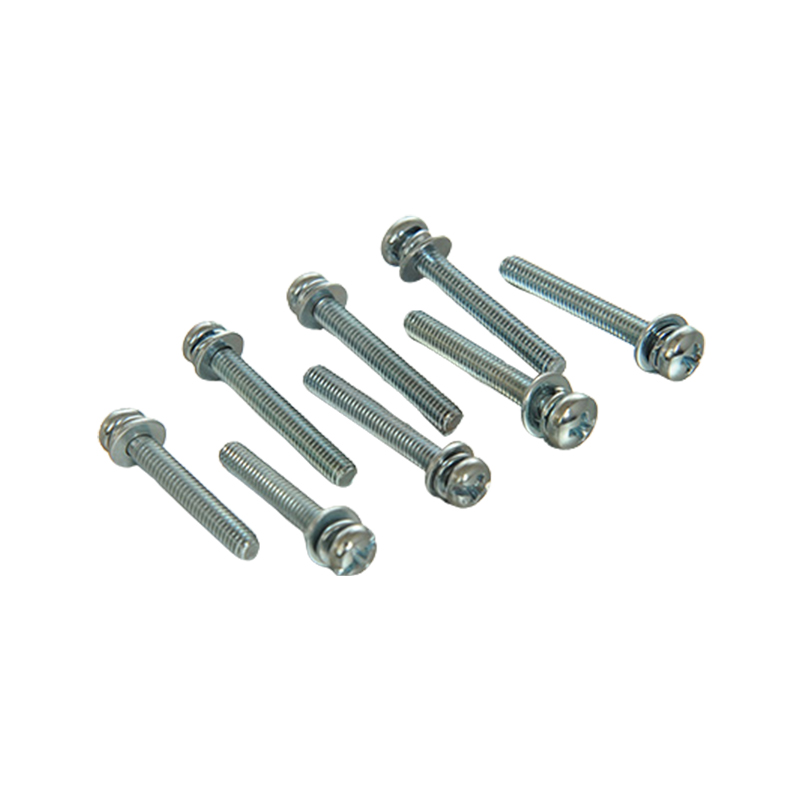 Cross Recessed Pan Head Double Combination ScrewsPan head combination screws with cross recess and pre-assembled washer, designed to reduce driver slippage and keep the fastener captured between panels.View Product →
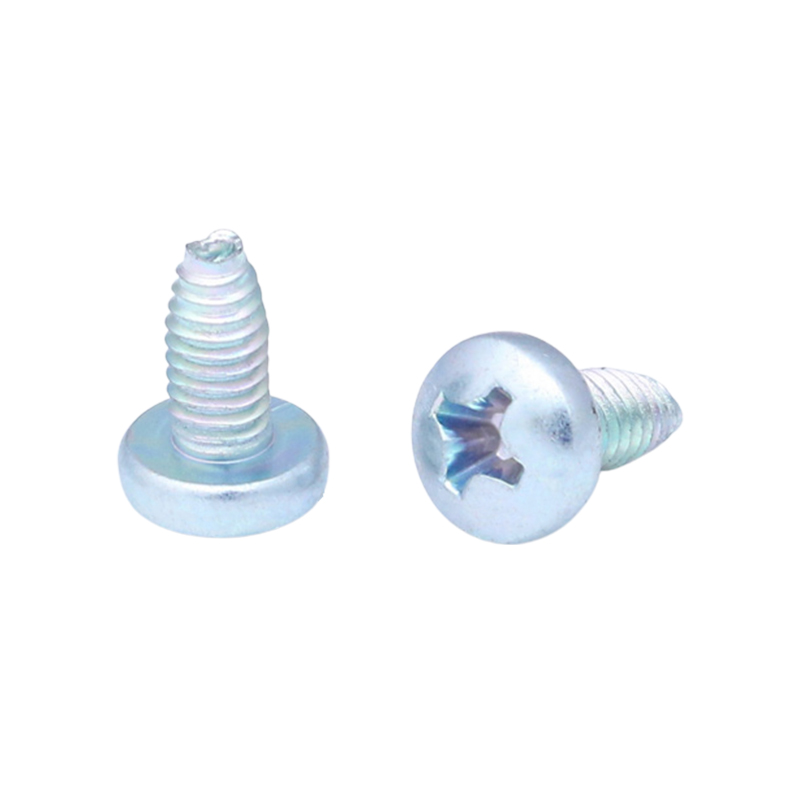
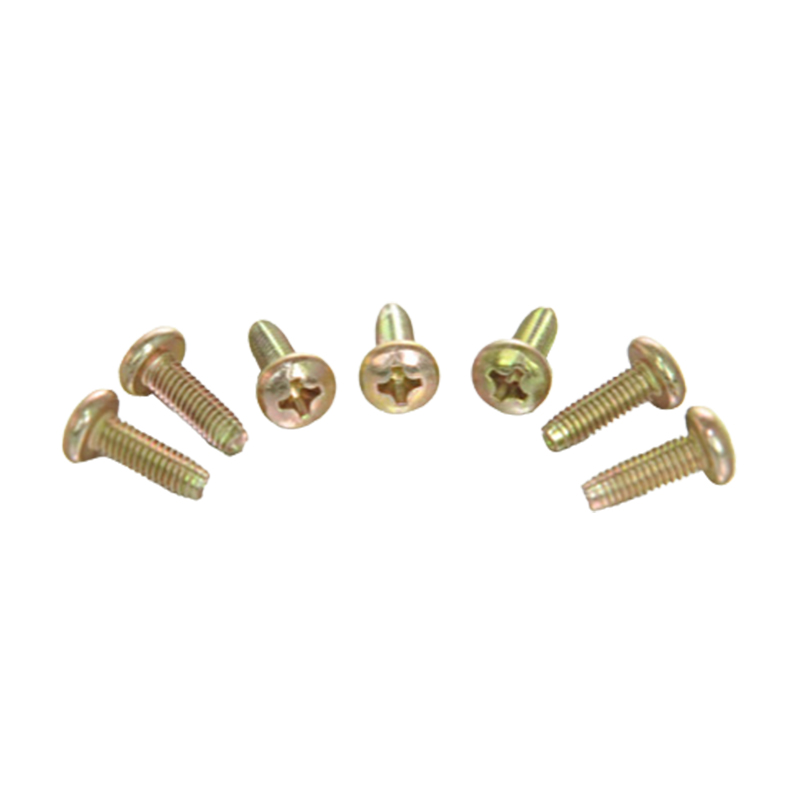
Where an assembly needs a captured washer so the screw does not go missing between panels, our cross-recessed pan head double combination screws keep the same drive geometry with a pre-assembled washer.
Checks to Run Before You Release the Order
Six checks cover most of the rejections we see on federal-specification machine screws.
- Confirm the revision — B, C, or D — and verify its current status in the ASSIST database.
- Confirm the type and style, and make sure the head style exists within that type.
- Confirm the material class and put the required minimum ultimate tensile strength on the purchase order, not only on the drawing.
- Confirm thread class, typically 2A for inch-series machine screws, and the length measurement rule: flat head screws are measured overall, other heads from under the head.
- Confirm the finish, the salt-spray hours behind it, and the RoHS status of the coating.
- Request a first-article inspection report with dimensions, hardness, and a plating thickness reading, so the first shipment does not become the argument.
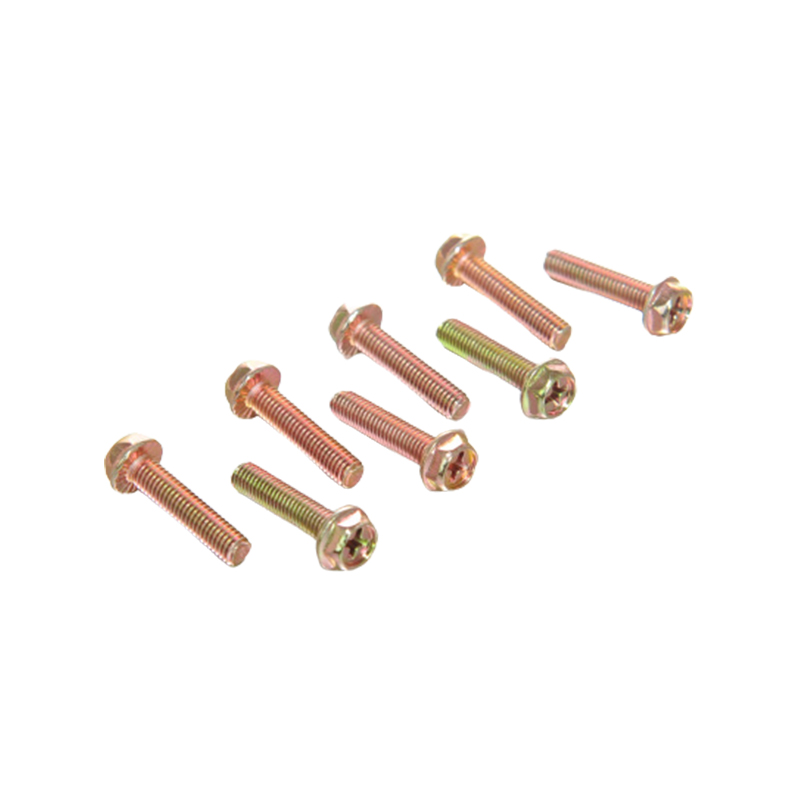
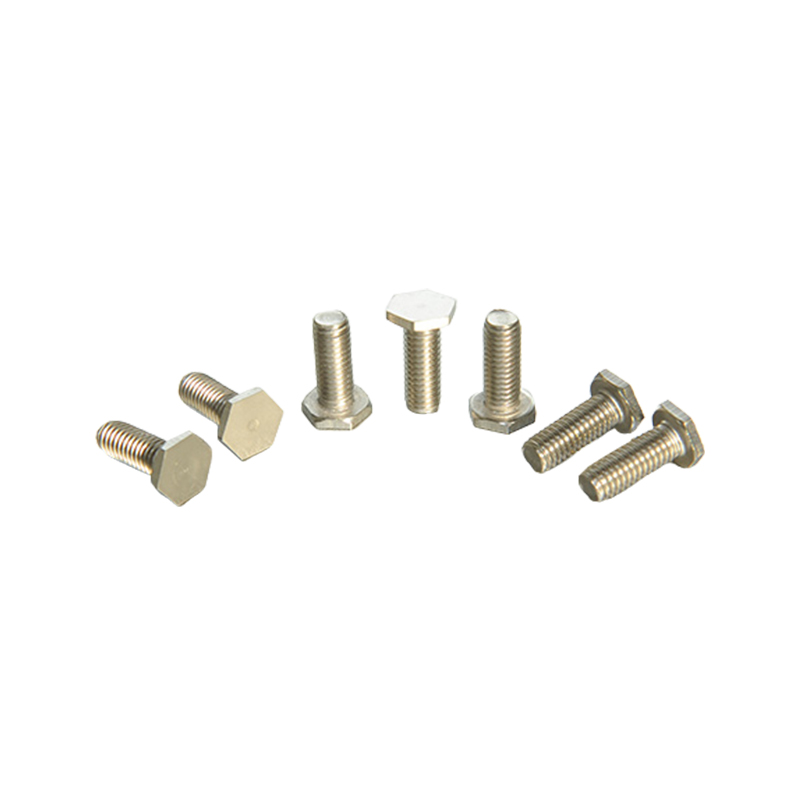
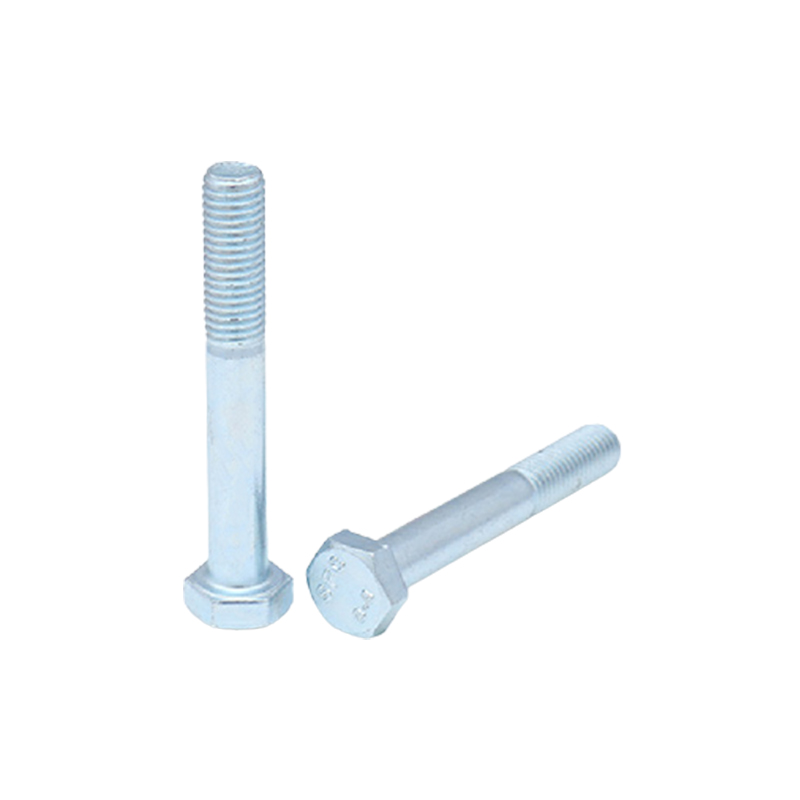 American Hexagon Screws for Inch-Series Machine ScrewsHex head screws produced to ANSI dimensions for inch-series machine screws, available with material and finish callouts for federal specification prints.View Product →
For inch-series hex head machine screws, our American hexagon screws are produced to ANSI dimensions and can be quoted with the material and finish callouts a federal print requires.
The Short Version
FF-S-92 answers a narrow set of questions well: which drive, which head, what material, what strength, what thread, and what finish. It does not settle the revision, the countersink angle, or the salt-spray hours for you; those live in the drawing, the purchase order, and the conversation with the buyer. Sort them out before quoting, and a federal-specification machine screw is an ordinary part at an ordinary price. Leave them open, and the definition of correct changes after the cartons are already sealed.
If you are working from an old print and want a second opinion on materials, finishes, or head styles, start with our fastener manufacturing overview and send the drawing or sample along with it.