 English
 Español
 日本語
日本語

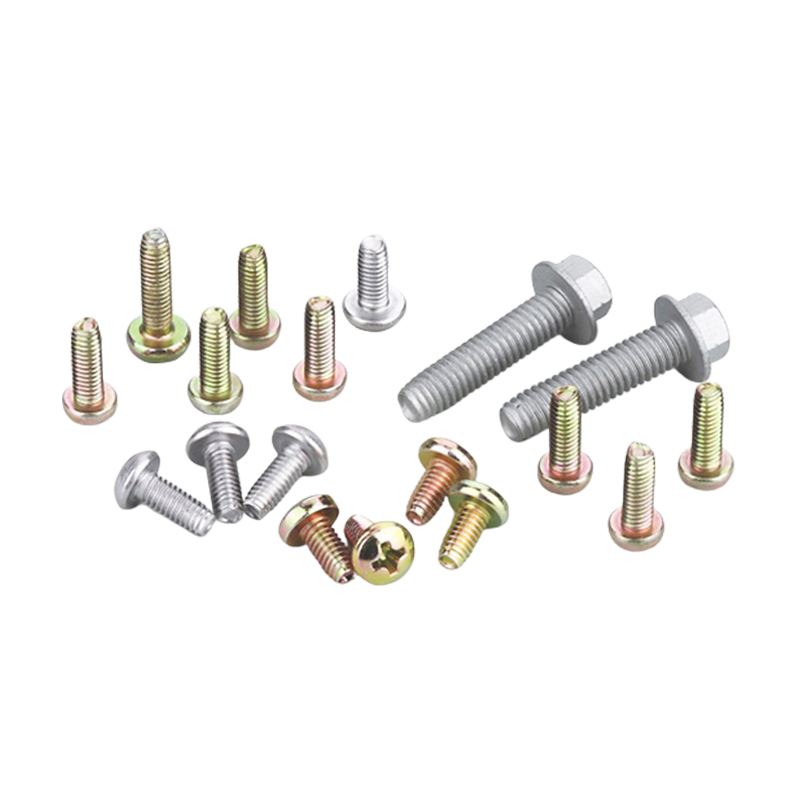
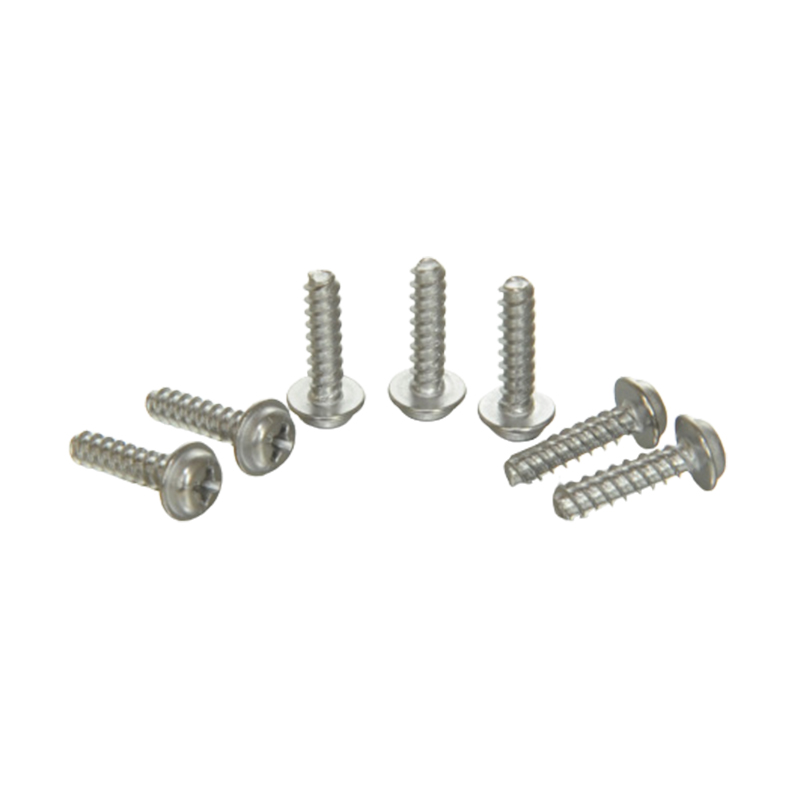
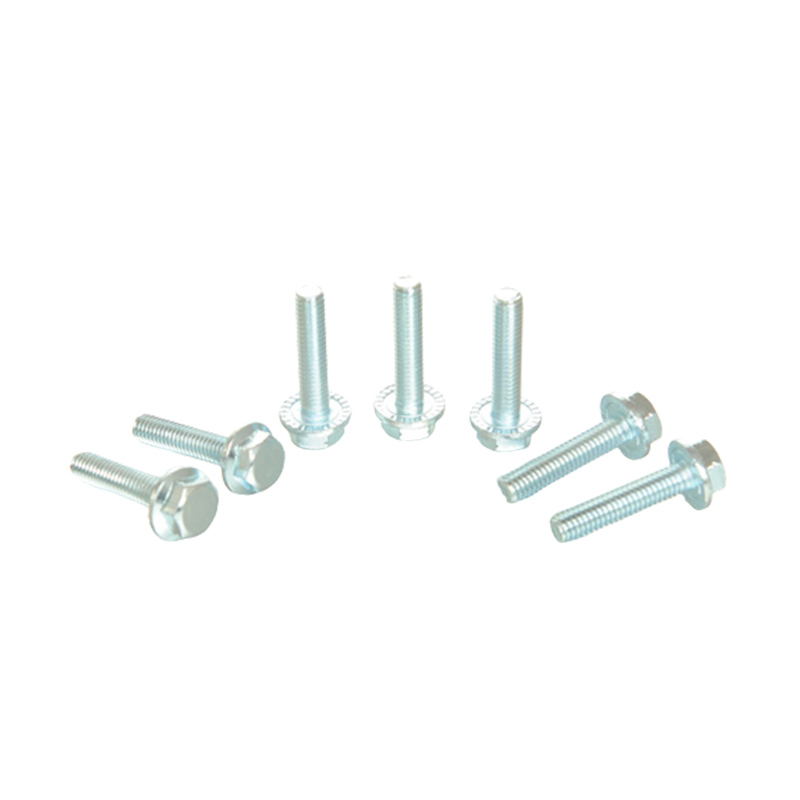
Combination screws use a dual-drive head — most commonly slotted plus Phillips — so a single fastener works with whichever tool happens to be on hand, which matters more on job sites and in maintenance work than most buyers initially expect. Choosing the right head type and thread pitch for the application matters, but just as important is vetting combination screws manufacturers on tolerance consistency, coating quality, and batch-to-batch reliability, since a fastener that looks identical on paper can perform very differently once installed.
What Makes a Screw a "Combination Screw"
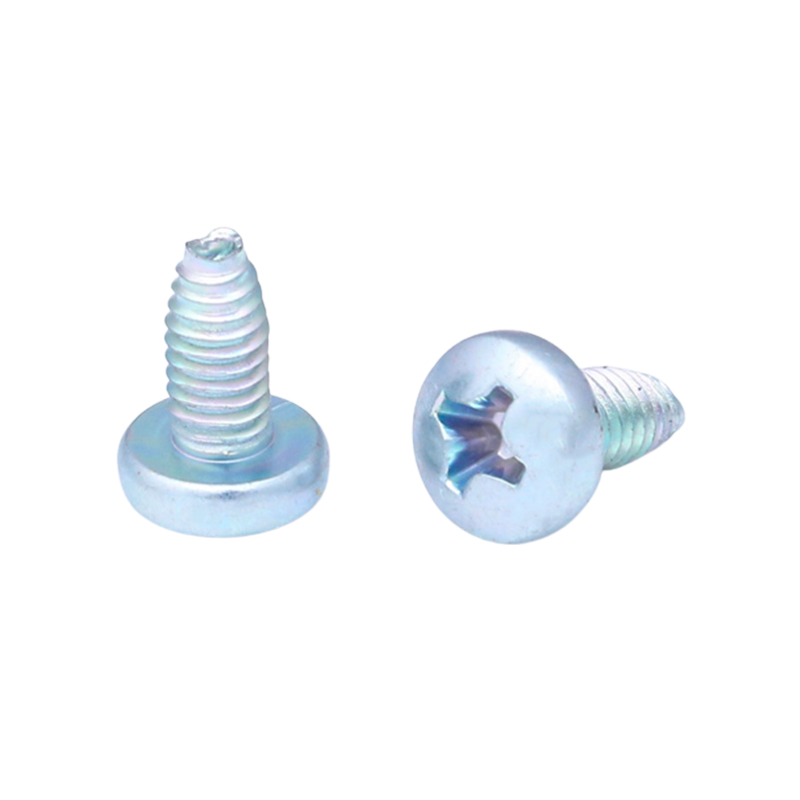
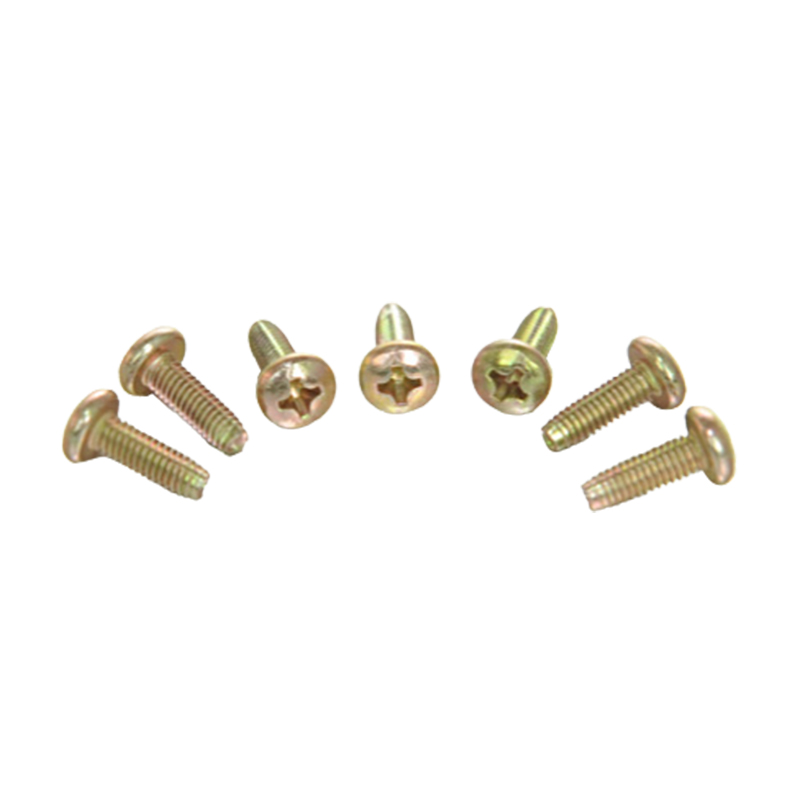
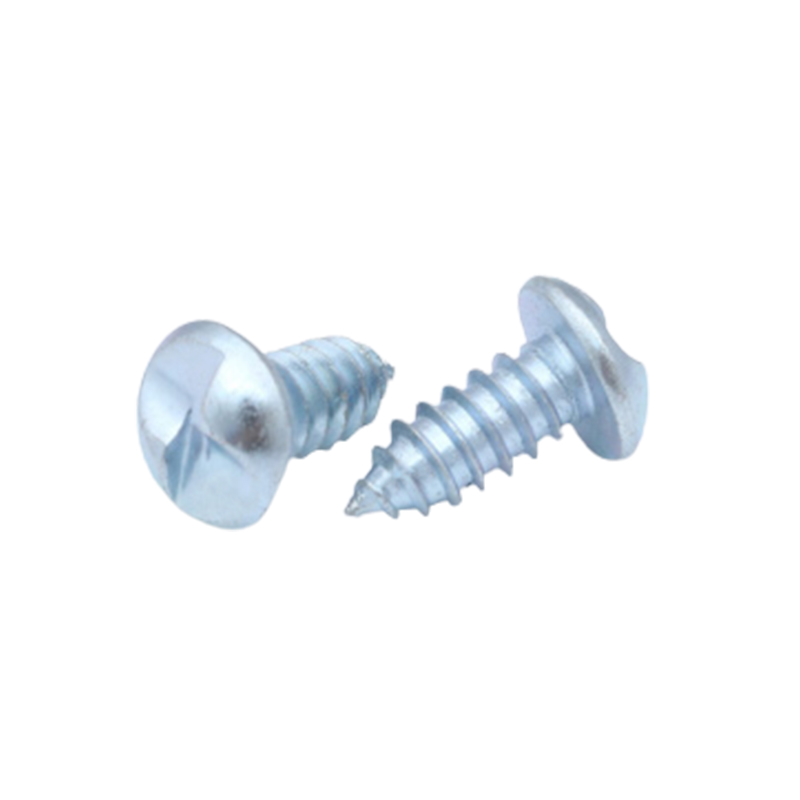
The defining feature of a combination screw is its head design, engineered to accept more than one type of driver. The most common configuration combines a straight slot with a Phillips cross pattern, allowing installation with either a flathead or Phillips screwdriver depending on what's available. Some combination screws extend this further, adding a square or hex recess to the same head, giving installers three possible drive options on a single fastener.
| Head Combination | Compatible Drivers | Common Application |
| Slotted + Phillips | Flathead, Phillips | General hardware, appliance assembly, electrical fittings |
| Phillips + Square | Phillips, square/Robertson | Cabinetry, furniture assembly |
| Slotted + Phillips + Hex | Flathead, Phillips, hex/Allen | Industrial equipment, multi-crew maintenance sites |
Why Combination Heads Matter More Than They Seem
On a large job site or in a maintenance department where multiple crews carry different tool sets, a single-drive screw can bring an installation to a halt if the right driver isn't in reach. Combination screws remove that friction entirely — any team member with either a flathead or Phillips screwdriver can complete the same fastening task without swapping tools or bits, which noticeably speeds up repetitive assembly work across large batches.
Thread Types and Matching Screws to Material
Beyond the head, thread design determines how well a combination screw grips into a given material, and mismatching thread type to substrate is one of the most common causes of stripped holes or loosened fasteners over time.
- Machine threads: Uniform, fine threads designed to mate with a pre-tapped nut or hole, common in metal-to-metal assemblies.
- Sheet metal threads: Sharper, coarser threads that cut their own path into thin metal without a pre-formed nut.
- Wood threads: Deep, widely spaced threads designed to bite into wood fibers and resist pull-out under lateral load.
- Self-tapping threads: Combine a sharp point with aggressive thread spacing, cutting directly into plastic or thin metal without a pilot hole in many cases.
Material and Coating Options Compared
The base material and surface coating on a combination screw affects corrosion resistance, strength, and suitability for specific environments, from indoor cabinetry to outdoor or marine applications.
| Material/Coating | Corrosion Resistance | Best Suited Environment |
| Zinc-plated steel | Moderate, roughly 96–200 hours salt spray | Indoor general-purpose applications |
| Yellow zinc chromate | Good, roughly 200–500 hours salt spray | Light outdoor exposure, automotive assembly |
| Stainless steel (304/316) | Excellent, resists rust indefinitely in most conditions | Marine, outdoor, and food-contact applications |
| Black oxide | Low to moderate, primarily cosmetic | Indoor decorative or low-exposure hardware |
Strength Grades and Load-Bearing Considerations
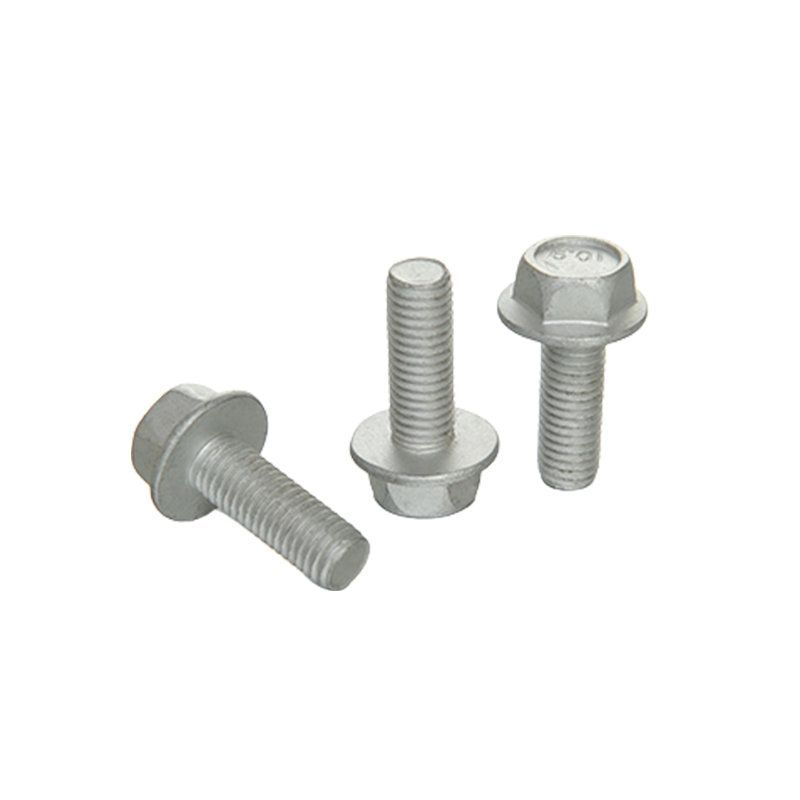
For structural or load-bearing applications, the strength grade stamped on a combination screw's head indicates how much tensile and shear load it can handle before failure. Grade 2 screws suit light-duty applications, while Grade 5 and Grade 8 screws are reserved for higher-stress mechanical assemblies where fastener failure could cause equipment damage or safety issues.
- Grade 2: Standard commercial-grade steel, adequate for general hardware and light-duty fastening.
- Grade 5: Medium-strength steel, common in automotive and general machinery applications.
- Grade 8: High-strength steel, reserved for heavy machinery, structural steel, and high-vibration environments.
What Separates Reliable Combination Screws Manufacturers From the Rest
Sourcing decisions in fastener procurement carry more weight than the unit price alone suggests, since a batch of inconsistent screws can cause assembly line delays, warranty claims, or field failures that cost far more than the fasteners themselves. Dependable combination screws manufacturers distinguish themselves in a few consistent, verifiable ways.
Dimensional Consistency Across Batches
A manufacturer with tight quality control produces screws with consistent head depth, thread pitch, and length across every production run, reducing the risk of intermittent stripping or driver slip on automated assembly lines.
Material Traceability and Certification
Reputable combination screws manufacturers can supply mill certificates and material test reports confirming actual steel grade and composition, which matters for buyers in regulated industries like construction or automotive supply.
Coating Process Documentation
Salt spray test results and coating thickness data should be available on request, since a coating applied inconsistently can leave certain screws in a batch far more vulnerable to corrosion than others.
Custom Length and Head Configuration Support
Manufacturers capable of producing non-standard lengths or custom drive combinations reduce lead time for buyers with specific equipment requirements that off-the-shelf hardware doesn't cover.
Questions Worth Asking Before Placing a Bulk Order
High-value buyers sourcing combination screws in volume typically request specific evidence rather than relying on a supplier's marketing claims alone.
- Can the manufacturer provide sample batches for torque and pull-out testing before committing to a full production run?
- What is the tolerance range guaranteed on thread pitch and head dimensions across a full production batch?
- Is coating thickness measured and documented per batch, or only spot-checked periodically?
- What is the manufacturer's minimum order quantity for custom lengths or head configurations?
- Can the manufacturer supply packaging suited to automated feeding systems, if the screws will be used in automated assembly?
Common Installation Mistakes That Shorten Fastener Life
Even a well-made combination screw can fail prematurely if installed incorrectly, and a few habits are responsible for the majority of field failures.
| Installation Mistake | Effect on Fastener Performance |
| Over-torquing during installation | Strips the head recess or shears the fastener under load |
| Using the wrong thread type for the substrate | Reduces holding strength and increases risk of pull-out |
| Skipping a pilot hole in hardwood | Causes splitting and reduces long-term grip strength |
| Mixing coating types in the same assembly | Can accelerate galvanic corrosion between dissimilar metals |
Packaging and Supply Chain Considerations for Bulk Buyers
For buyers ordering combination screws at scale, packaging format and supply consistency often matter as much as the fastener specification itself.
- Bulk bin packaging: Cost-effective for manual assembly lines where screws are hand-fed from a container.
- Strip or collated packaging: Designed for automated screw guns and feeding systems, reducing manual handling time on high-volume production lines.
- Barcoded lot tracking: Helps buyers trace a specific batch back to its production run if a quality issue surfaces after installation.
- Consistent lead times: Manufacturers with reliable production scheduling reduce the risk of line stoppages caused by delayed fastener shipments.
Frequently Asked Questions
What is a combination screw used for?
A combination screw has a head designed to accept more than one type of driver, most commonly slotted and Phillips, allowing installation with whichever screwdriver is available without needing a specific bit.
What should I look for in combination screws manufacturers?
Look for documented dimensional tolerances, material traceability with mill certificates, coating thickness data, and the ability to support custom lengths or head configurations for specific project needs.
What's the difference between Grade 5 and Grade 8 combination screws?
Grade 5 screws suit general automotive and machinery applications, while Grade 8 screws are made from higher-strength steel and are reserved for heavy machinery and high-vibration environments where fastener failure would be costly.
Are stainless steel combination screws necessary for outdoor use?
For long-term outdoor, marine, or food-contact applications, stainless steel combination screws are generally worth the added cost, since they resist corrosion far better than zinc-plated alternatives over time.
Can combination screws manufacturers produce custom lengths for bulk orders?
Many manufacturers can produce custom lengths and head configurations, though minimum order quantities and lead times vary, so it's worth confirming these details before committing to a large production run.