 English
 Español
 日本語
日本語

The Production and Mechanical Superiority of Pre-Assembled Fastening Units
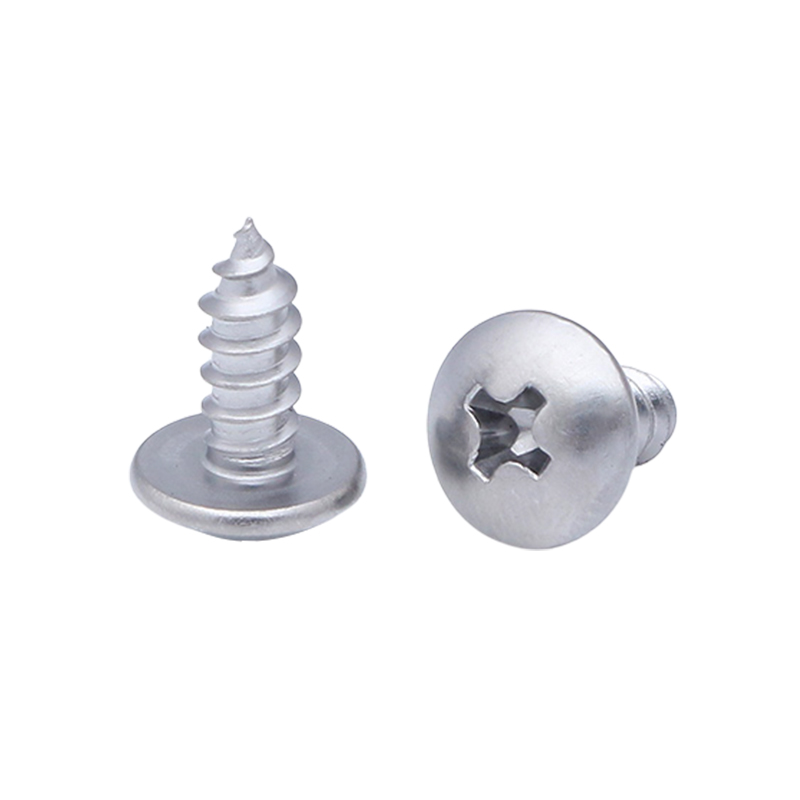
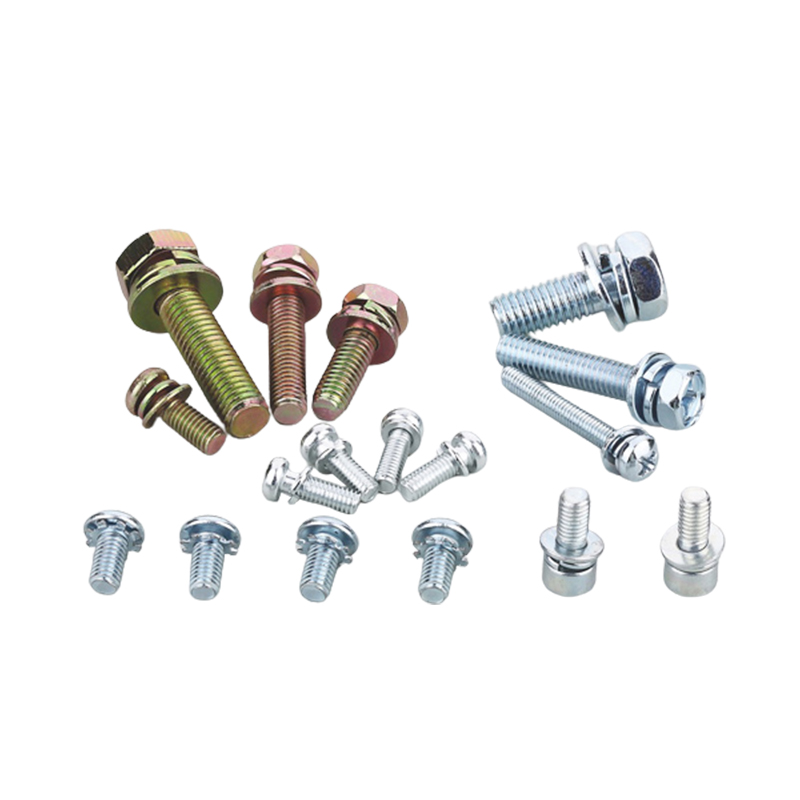
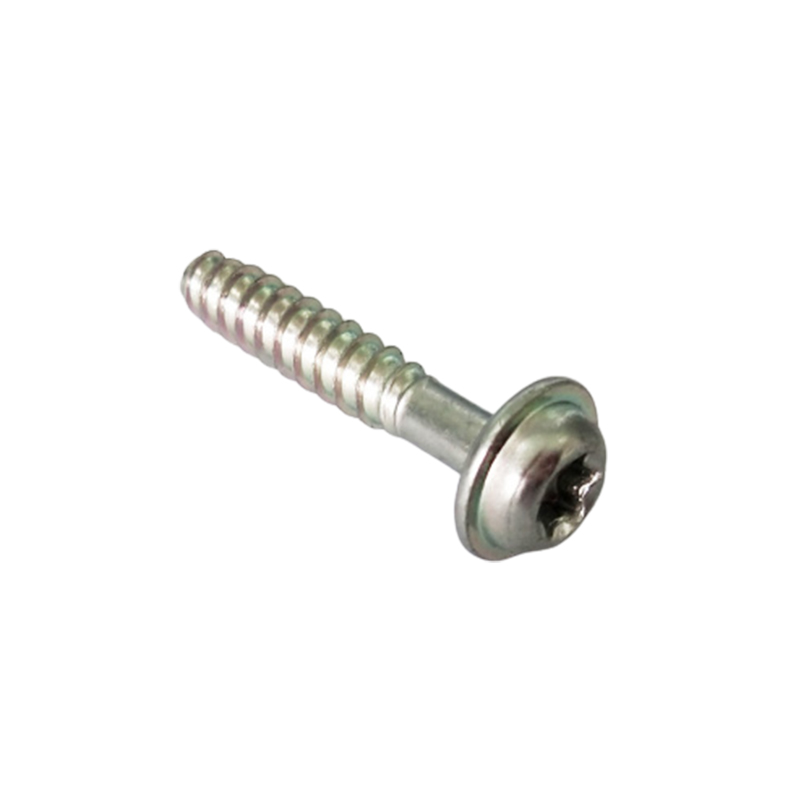
Implementing integrated combination screws (commonly referred to as SEMS fasteners) provides automotive electronics, home appliance manufacturing, and precision industrial assembly lines with a high-efficiency solution that permanently attaches loose washers to the screw shank before thread rolling. Because the washer is physically trapped under the screw blank head, it cannot fall off during transport or automated feeding cycles. This mechanical design streamlines assembly by eliminating manual washer sorting and positioning, delivering a production throughput increase of up to 45%. Additionally, it ensures consistent surface clamping force across every joint, completely avoiding missing washers and maintaining tight electrical grounding connections in high-vibration environments.
In high-volume manufacturing environments, tracking separate inventory for screws, lock washers, and flat washers adds significant supply chain complexity and increases assembly errors. When operators or automated robotic arms must handle multiple tiny hardware pieces for a single joint, the risk of component drop, skewed alignment, or total omission rises. Transitioning to pre-assembled combination screws solves these operational challenges by combining multiple parts into a single, unified SKU. This approach guarantees that every screw driven into a chassis has the exact washer combination required by engineering specifications, protecting the joint from localized structural failure.
Mechanical Manufacturing and Thread-Rolling Captivation
The permanent assembly of a combination screw relies on a specific sequence in the cold-heading and thread-rolling production line. The washer cannot be removed without completely destroying the fastener threads.
Pre-Thread Blank Integration
During production, a wire blank is cold-headed to form the screw head and smooth shank body. Before this unthreaded blank enters the thread-rolling dies, an automated assembly station drops a washer over the shank. The washer's inner diameter is designed to be slightly larger than the unthreaded shank but smaller than the finished outer thread diameter.
Cold-Flow Thread Expansion
Once the washer is positioned, the blank passes through cold thread-rolling dies. The extreme pressure forces the steel to flow outward, forming helical peaks. Because this process expands the outer thread diameter past the washer's inner opening, the washer becomes permanently trapped under the screw head while remaining free to spin smoothly.
Comparative Performance Evaluation: Integrated Combination Screws vs. Standalone Fastener Assemblies
Choosing between integrated combination hardware and multi-piece component setups requires analyzing assembly cycle times, inventory carrying costs, dropping rates, and torque distribution. The table below outlines the engineering differences between these two approaches.
| Engineering Quality Parameter | Integrated Combination Screw (SEMS) | Loose Screw + Separate Washer Stack |
|---|---|---|
| Average Joint Assembly Cycle Duration | Optimized (1.8 - 2.5 Seconds Per Node) | Slow (4.5 - 6.0 Seconds Due to Manual Stacking) |
| Inventory Part Number (SKU) Count | Unified (1 SKU Combines Fastener and Washers) | Multiple (2 to 3 separate SKUs to track and store) |
| Fastener Component Drop Rate | Zero (Washer Cannot Detach From Shank) | High (Loose washers frequently slip during positioning) |
| Automated Vibratory Bowl Feeding | Excellent (Seamless orientation without jamming) | Complex (Requires separate multi-track delivery) |
| Quality Omission Risk Profile | Absolute Safety (0% Missing Washer Defect Rate) | Vulnerable (Human error can leave washers out) |
The data comparison demonstrates why modern manufacturing lines stand behind pre-assembled components. Using loose hardware combinations forces assembly operators to spend extra time selecting parts and holding washers in place over the holes, which slows production. When deploying loose washers in automated systems, small parts can easily turn or tilt inside feed tubes, causing line stoppages. Combination screws eliminate these orientation errors, ensuring the hardware flows smoothly through automated blow-feed drivers and robotic assembly cells.
Advanced Drive Profiles and Multi-Washer Stack Variations
Modern combination fasteners can be configured with various washer types and head styles to match specific mechanical and electrical needs.
- Dual-Action Flat and Helical Spring Stacks: This assembly includes a plain flat washer to distribute surface clamping pressure alongside a split helical spring lock washer. The spring washer maintains tension under vibration, preventing joint loosening over long service lives.
- Conical Tension (Belleville) Profiles: Designed for high-temperature cycles, a conical spring washer acts like a heavy-duty spring plate. It flexes to absorb thermal expansion and contraction, maintaining steady clamping force on power terminal connections.
- External Tooth Electrical Grounding Washers: Featuring sharp, angled teeth along the outer edge, these washers bite through painted or anodized coatings on sheet metal chassis surfaces, establishing a clean, direct metal-to-metal grounding path.
Step-by-Step Production Line Conversion and Torque Calibration
Because changing from loose hardware to pre-assembled combination screws alters joint friction dynamics, production teams follow a structured transition and calibration sequence.
- Joint Stack Geometry Audit: Measure the total thickness of the mating parts. Ensure the combination screw's unthreaded grip length below the washer matches the top plate thickness, allowing the threads to engage fully without bottoming out.
- Torque-Tension Coefficient Evaluation: Mount a sample joint configuration into a calibrated load cell tester. Because the pre-assembled washer modifies under-head friction, run tests to determine the exact torque needed to achieve the specified clamp load.
- Driver Clutch Micro-Calibration: Adjust the shut-off clutches on electric assembly tools to reflect the calculated torque values (e.g., setting an M4 combination fastener to exactly 2.8 N·m) to prevent over-tightening or thread stripping.
- Vibratory Escapement Rail Adjustment: Adjust the mechanical gate selectors and feed rails inside the automated bowl system to match the wider outer diameter of the pre-assembled washer head, preventing component jamming during high-speed delivery.
- High-Speed Production Proof Validation: Run a trial batch of assemblies through the automated line. Monitor the system with digital torque sensors and perform visual audits to ensure the fasteners sit flat and the washers compress evenly against the workpiece.
Mitigating Joint Relaxation and Managing Under-Head Plating Wear
While combination screws offer exceptional handling benefits on high-speed assembly lines, engineers must monitor surface finish wear and joint relaxation during long-term operation.
Preventing Zinc Flaking and Clearance Binding
When a combination screw undergoes high-volume electro-zinc plating after assembly, the liquid plating solution can get trapped in the tight space between the trapped washer and the unthreaded shank. During the baking cycle, this trapped moisture can cause uneven plating buildup or zinc flaking, which can jam the washer and stop it from spinning freely. To prevent this binding issue, manufacturing lines should use precision dip-spin coatings or verify that the washers have sufficient internal clearance to drain plating fluids cleanly before the final curing oven.
Controlling Embedment Relaxation in Soft Substrates
Driving steel combination screws with narrow flat washers directly into soft substrates like magnesium housings or plastics can cause embedment relaxation over time. Under high clamping loads, the sharp edges of the small washer can slowly sink into the soft material, reducing joint tension and loosening the screw. Designers can avoid this relaxation by specifying wide-diameter flat washer options (such as penny washer variations) within the pre-assembled fastener unit to spread the clamp load safely over a broader surface area.