 English
 Español
 日本語
日本語

What Makes a Screw Head "Combination" Rather Than Single-Drive
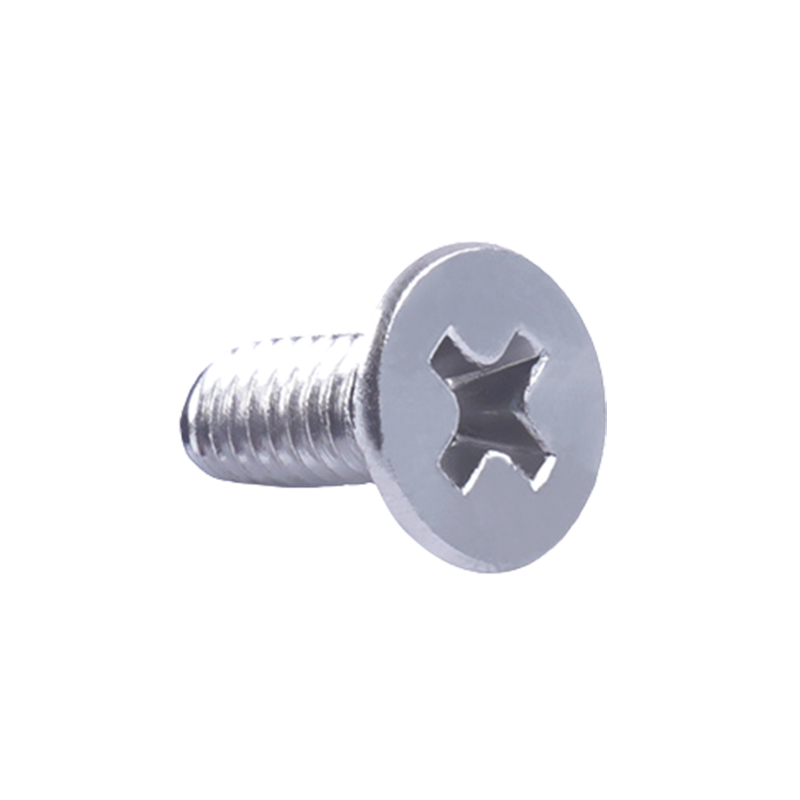
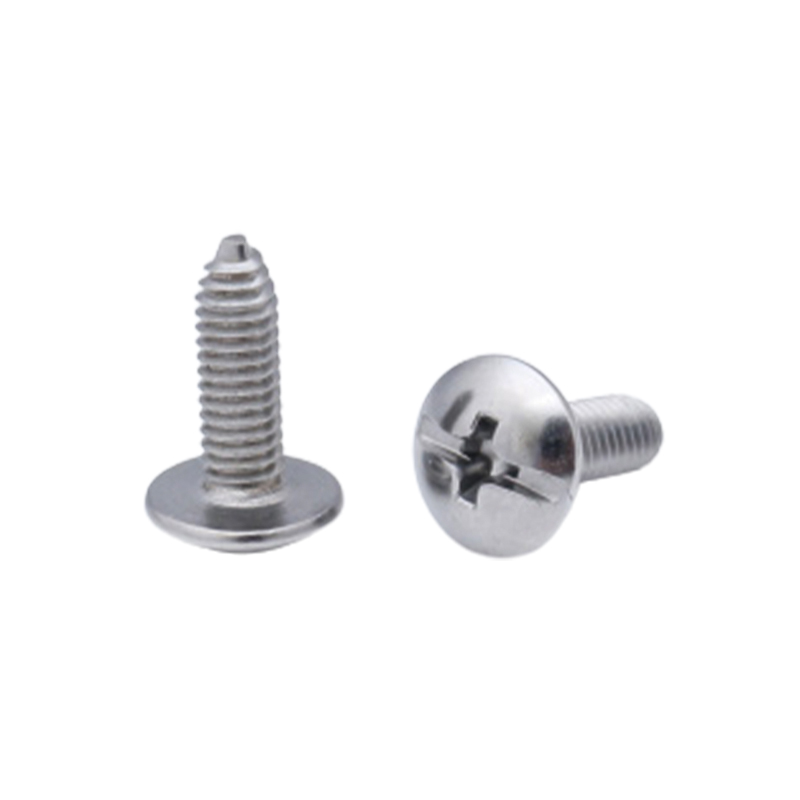
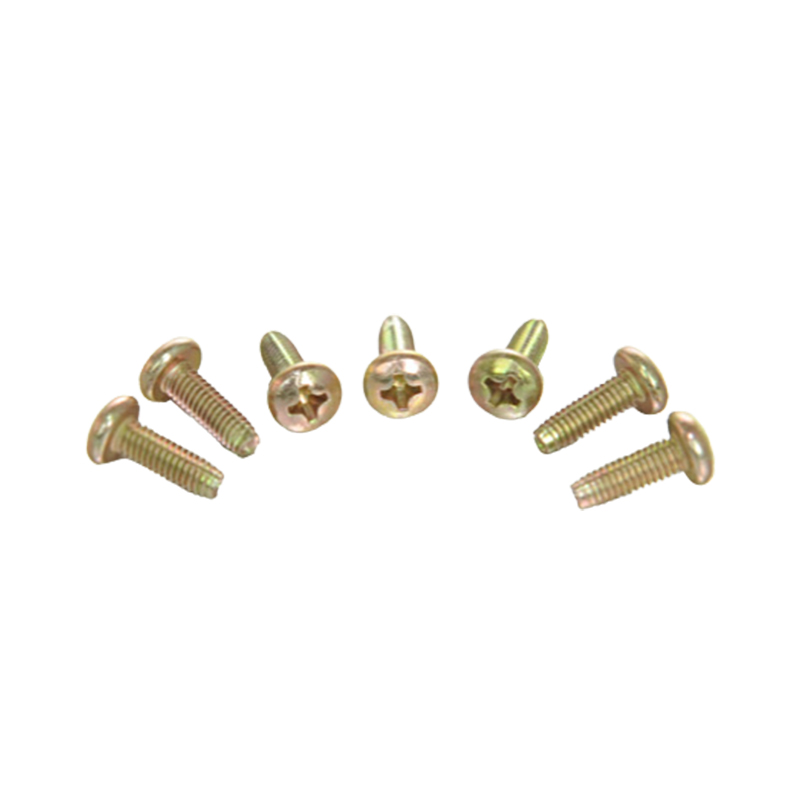
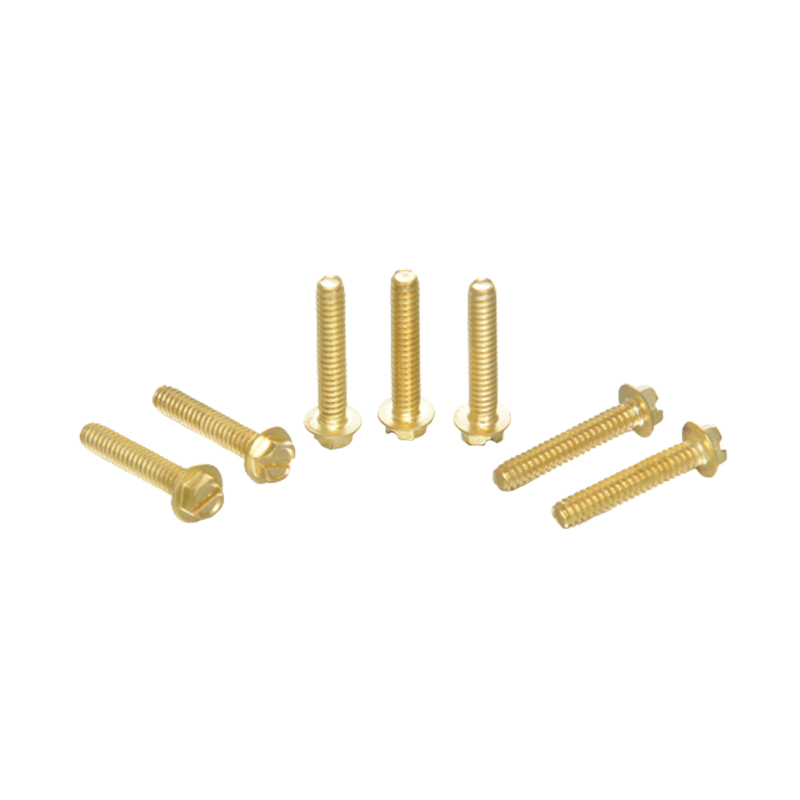
A standard screw head is machined for one driver profile only, such as a pure Phillips cross or a single flat slot. A combination head cuts both recesses into the same surface, layering a cross-shaped Phillips slot directly over a straight slot. This means a flathead screwdriver, a Phillips screwdriver, or even a coin in some cases can all engage the same fastener.
The trade-off is recess depth. Because two profiles share the same head diameter, neither recess is cut as deep as it would be on a dedicated single-drive screw, which slightly reduces the maximum torque that can be applied before the driver slips or strips the head.
Combination Drive vs. Single Drive: A Direct Comparison
| Factor | Combination Drive | Single Drive (Phillips or Slotted) |
| Tool flexibility | Works with multiple driver types | Requires the matching driver only |
| Torque tolerance | Moderate, shallower recess | Higher, especially with deep Phillips or Torx-style heads |
| Strip resistance | Lower under high torque | Better when matched with the correct driver size |
| Best use case | General assembly, light to moderate torque tasks | Structural, high-torque, or repeated-use applications |
Field testing of fastener strip rates shows that combination-head screws driven with power tools at high RPM strip noticeably more often than single-drive Phillips screws of the same size, simply because the shared recess geometry gives the driver bit less surface area to grip within each profile.
Combination Screws as Screw-and-Washer Assemblies (SEMS)
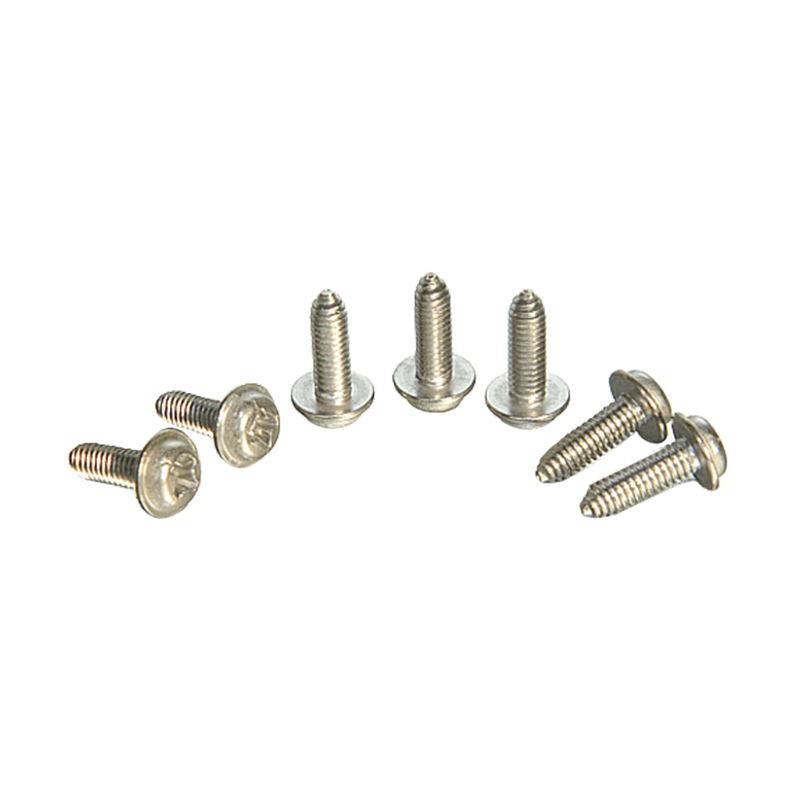
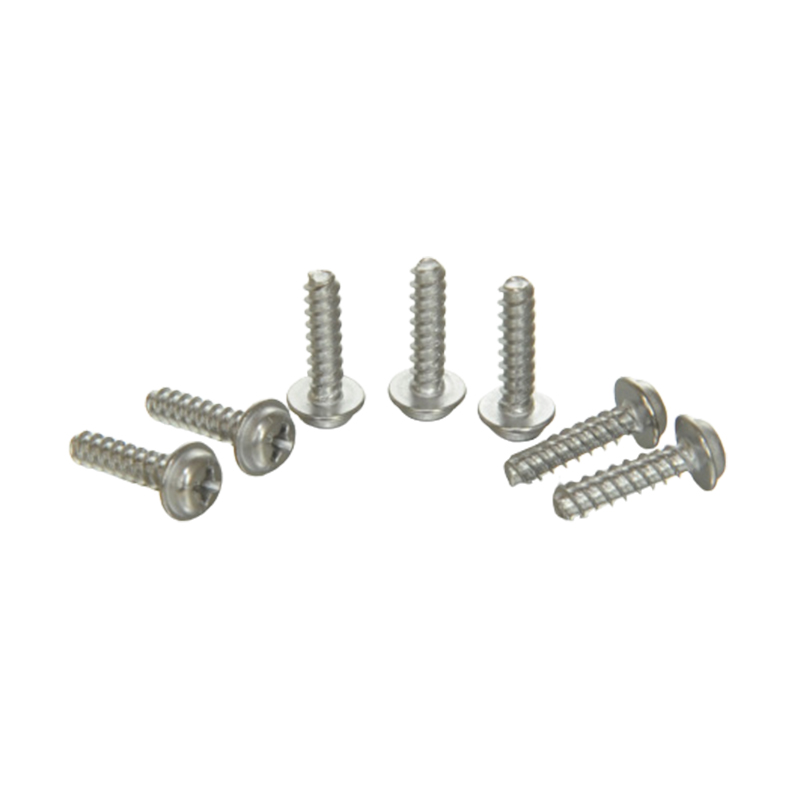
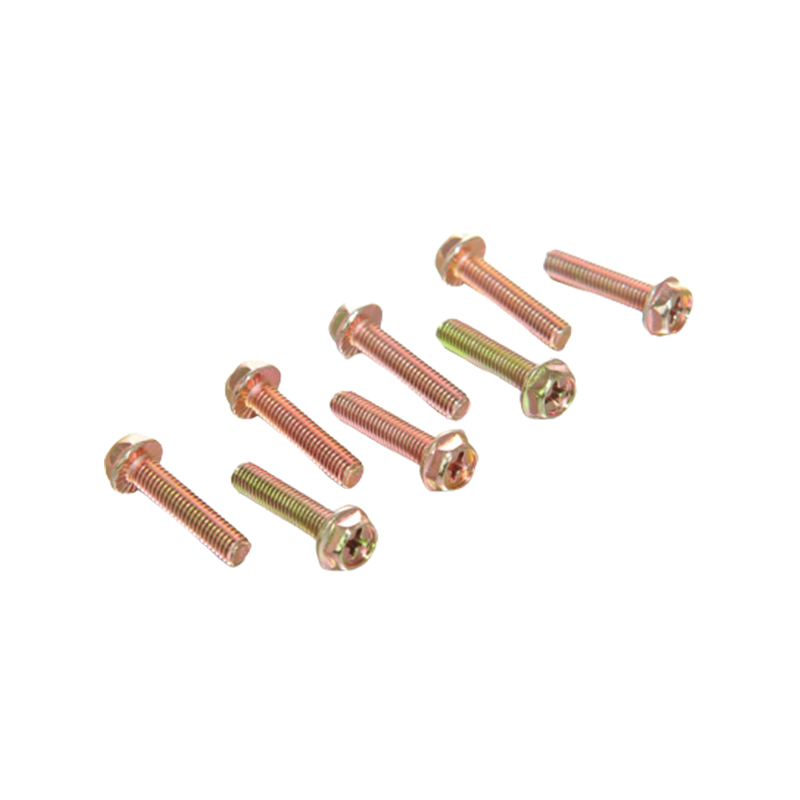
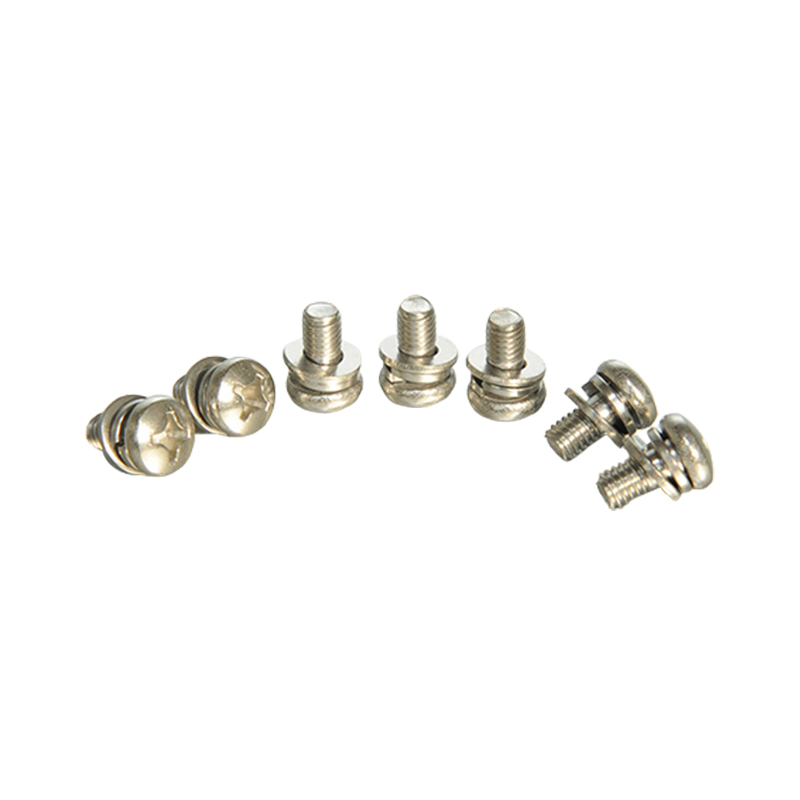
The term "combination screw" is also used in industrial and electronics contexts to describe a screw pre-assembled with a captive washer, commonly called a SEMS screw. Instead of handling a separate washer and screw during assembly, the washer is fitted onto the shank and held in place by a ridge, so the two pieces install as one unit.
Common washer types paired in these assemblies include flat washers for load distribution and spring or lock washers for vibration resistance, with the choice depending on whether the application prioritizes surface protection or resistance to loosening under repeated movement.
SEMS Combination Screws vs. Separate Screw-and-Washer Setup
| Factor | SEMS Combination Screw | Separate Screw + Washer |
| Assembly speed | Faster, single-piece handling | Slower, requires aligning two parts |
| Component loss risk | Low, washer is captive | Higher, washer can be dropped or omitted |
| Flexibility for washer swaps | Limited to pre-set washer type | Full flexibility to change washer type as needed |
| Unit cost | Slightly higher per fastener | Lower per individual component |
Manufacturers running high-volume production lines often favor SEMS combination screws specifically because the reduced assembly time and lower error rate offset the modest increase in per-unit fastener cost.
Thread Types Found on Combination Screws
Thread geometry changes how well a combination screw holds in different materials, and this matters more than driver type for anyone choosing a fastener for a specific job.
- Coarse ThreadFewer threads per inch, better grip in softer materials like wood and drywall, faster to drive.
- Fine ThreadMore threads per inch, holds better in metal and thin sheet materials, less likely to strip out over time in dense substrates.
- Self-TappingCuts its own threads into pre-drilled holes, common in sheet metal and plastic panel assembly.
Choosing fine thread on softer wood can actually reduce holding strength compared to coarse thread, since the shallower thread depth doesn't bite as deeply into fibrous material, illustrating why thread selection should match the substrate rather than defaulting to one type across every project.
Head Shape Options and Their Practical Effect
| Head Shape | Sits Flush or Proud | Typical Use |
| Pan head | Sits proud of the surface | General hardware, visible fastening points |
| Flat/countersunk head | Sits flush when countersunk | Furniture, trim, surfaces requiring a smooth finish |
| Round head | Sits proud, rounded profile | Decorative or light-duty applications |
Combination drive recesses are most commonly found on pan and flat head styles, since these shapes offer enough surface area to accommodate both the cross and slot profiles without weakening the head structurally.
Material and Coating Choices That Affect Longevity
The base material and surface coating of a combination screw determine how well it resists corrosion and mechanical wear over its service life.
- Zinc-plated steel offers basic corrosion resistance suitable for indoor, dry-environment use.
- Stainless steel resists rust effectively in outdoor or humid environments, making it the preferred choice for exterior fixtures and marine-adjacent applications.
- Black oxide coating provides mild corrosion resistance along with a low-glare finish, often chosen for visible fasteners in electronics or furniture hardware.
Screws exposed to outdoor moisture without adequate coating can show visible surface rust within a few months, while stainless steel or properly coated alternatives in the same environment typically show no corrosion after several years of exposure.
Choosing the Right Combination Screw for a Specific Job
Matching the fastener to the task avoids two common problems: over-specifying an expensive fastener for a low-stress application, or under-specifying a screw that fails under load it wasn't designed to handle.