 English
 Español
 日本語
日本語

What Are Combination Screws and Why Are They Important?
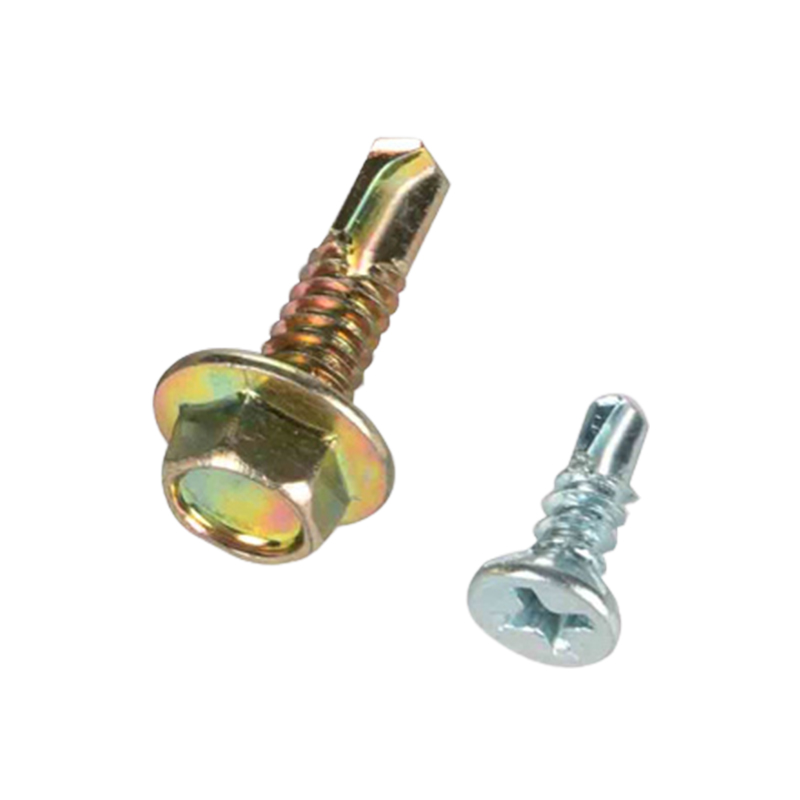
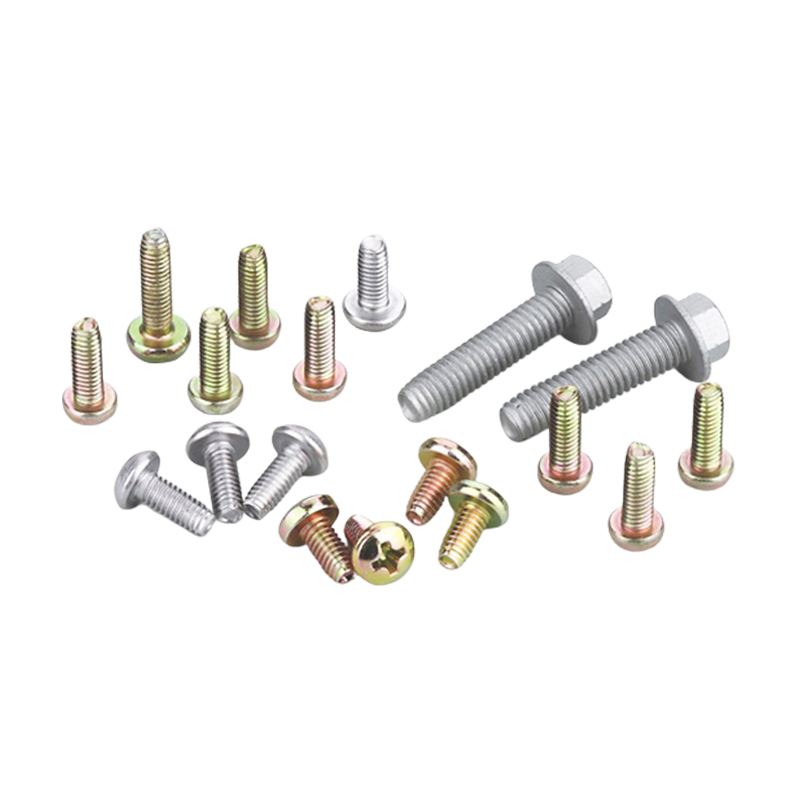
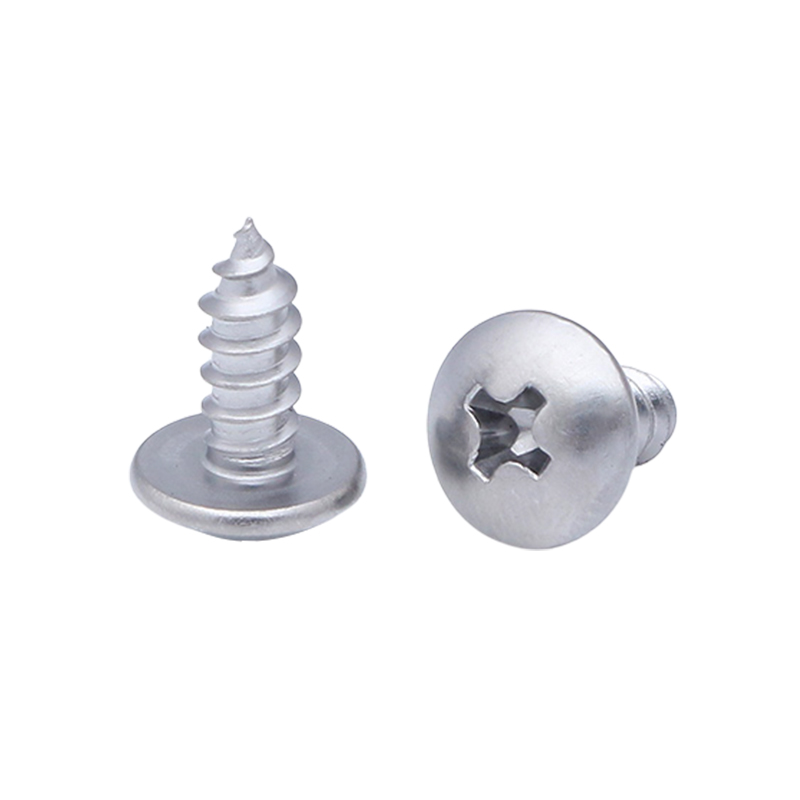
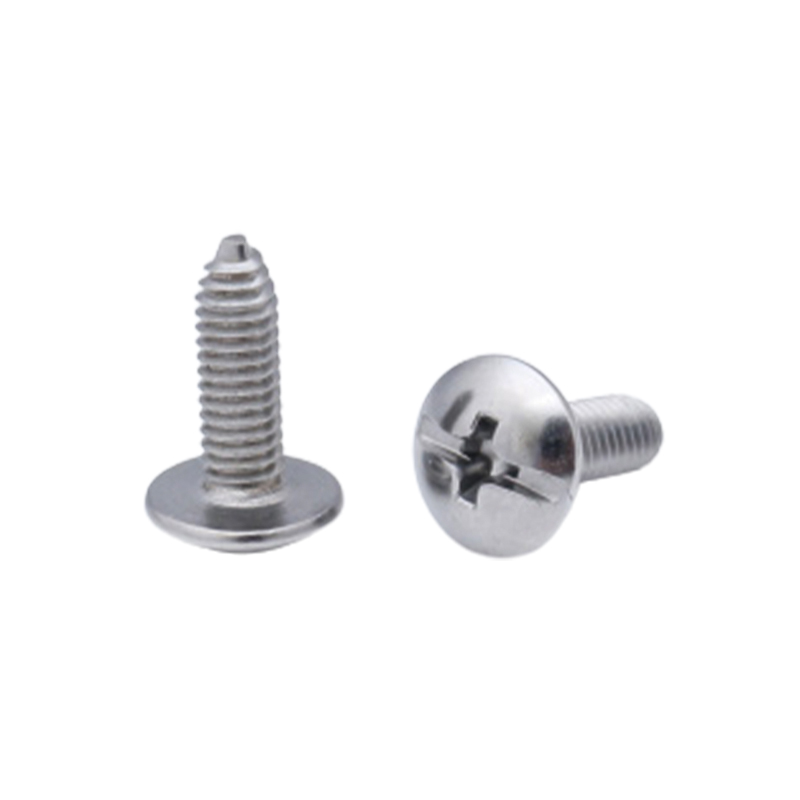
Combination screws are versatile fasteners designed to work with different types of driving tools, such as slotted, Phillips, or Pozidriv screwdrivers. The primary feature that sets combination screws apart is their hybrid head, which allows them to be driven using multiple tool types, making them a convenient and practical solution for a wide range of applications.
Types of Combination Screws
There are several variations of combination screws, each designed for specific applications. These variations mainly differ in their head type, thread design, and material. The most common types of combination screws include:
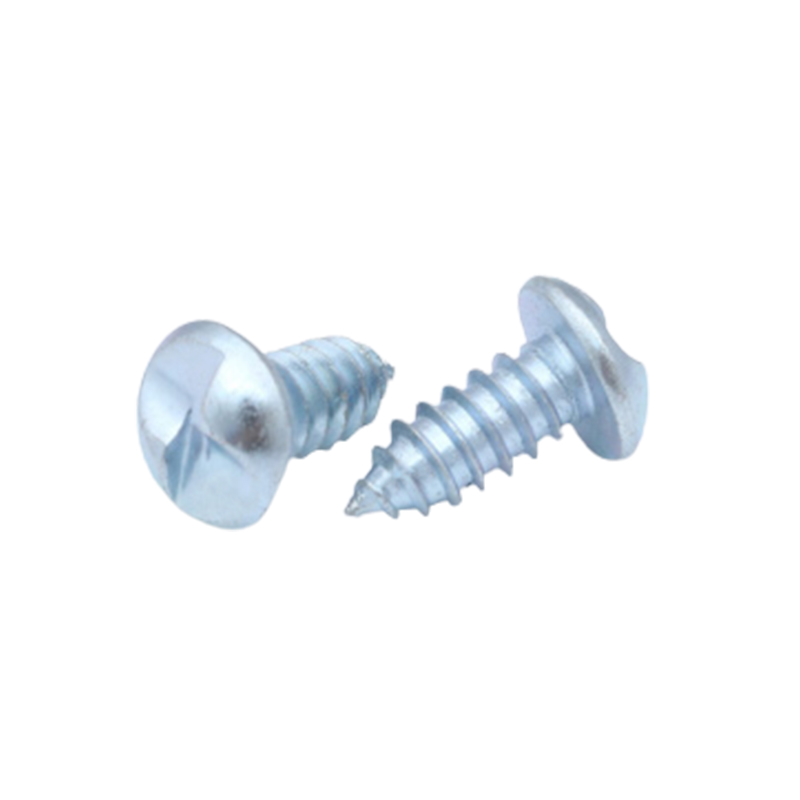
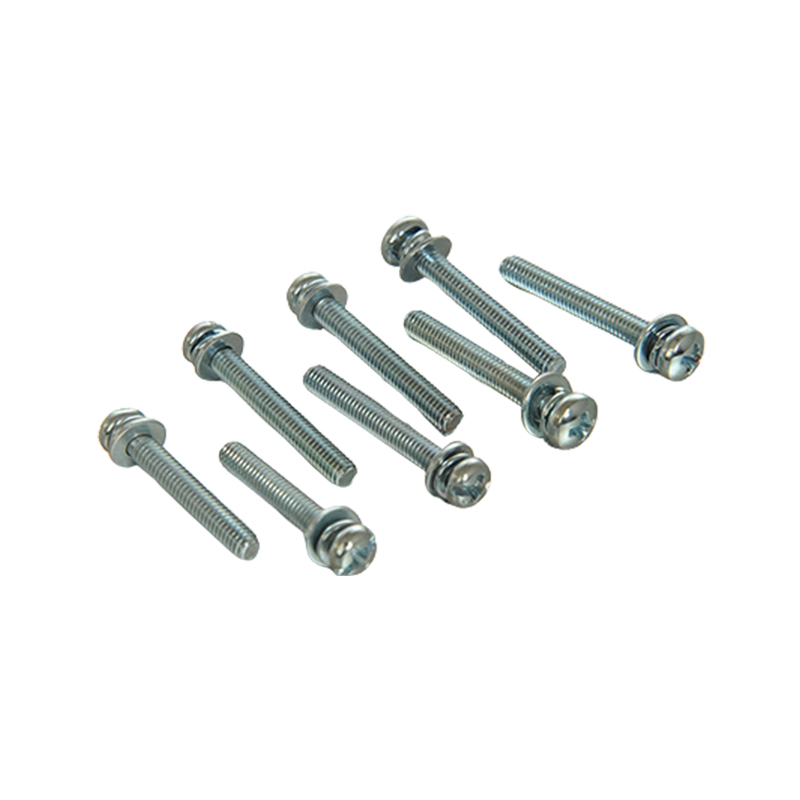
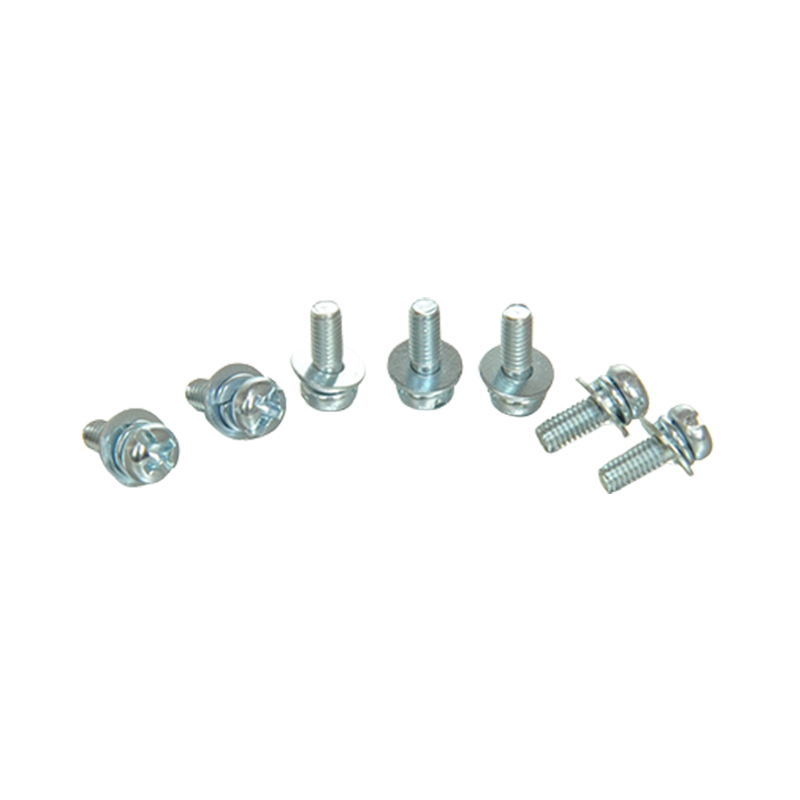
- Combination Slotted/Phillips Head Screws: These screws feature both a slotted and a Phillips head, allowing them to be driven using either type of screwdriver. They are commonly used in both light and heavy-duty applications, from electronics to construction.
- Combination Slotted/Pozidriv Head Screws: Similar to the slotted/Phillips screw but with the addition of a Pozidriv head. The Pozidriv feature provides extra grip, making them ideal for applications requiring higher torque or better resistance to cam-out.
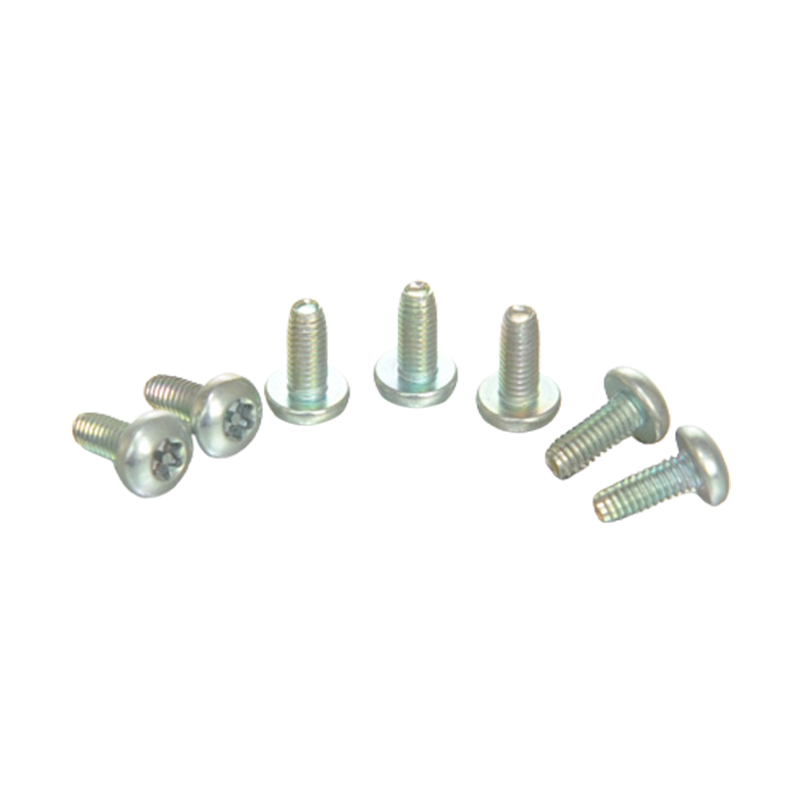
- Combination Torx/Phillips Head Screws: These screws combine a Torx and Phillips head, providing the benefits of both, especially in applications where a higher torque is required without risking damage to the head.
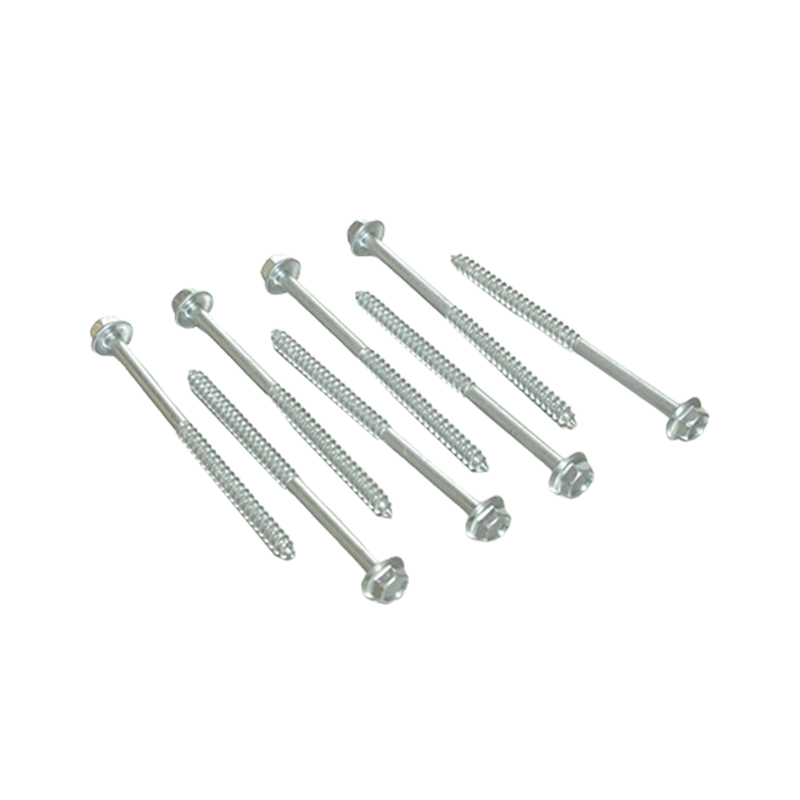
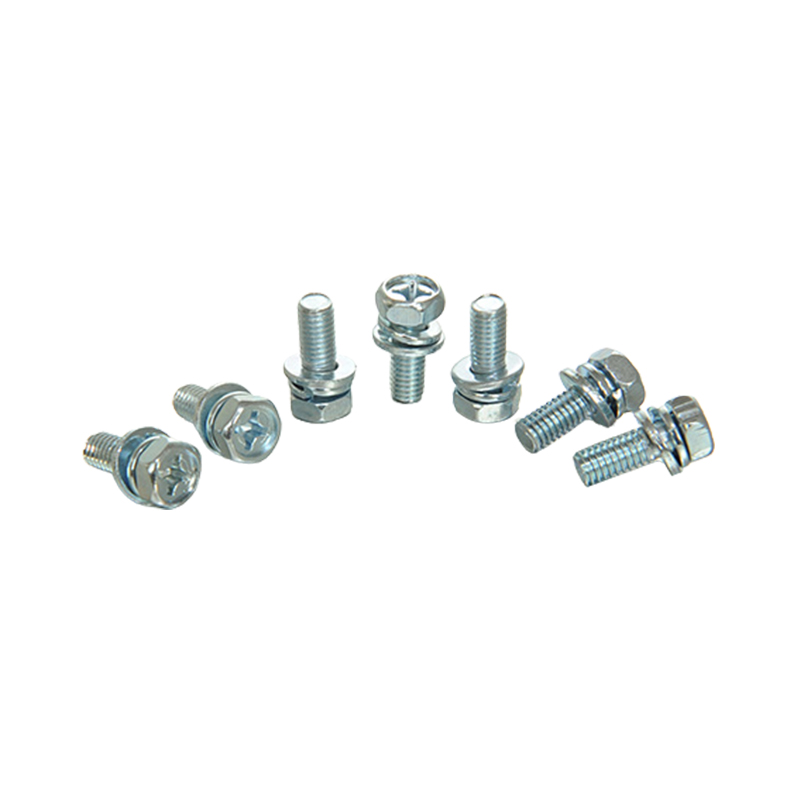
- Combination Hex/Slotted Head Screws: Designed for more heavy-duty applications, these screws feature both a hexagonal and slotted head for use with wrenches and screwdrivers.
Advantages of Using Combination Screws
Combination screws offer a range of advantages that make them a popular choice across various industries. Some key benefits include:
- Versatility: The ability to use multiple tools (slotted, Phillips, Pozidriv, etc.) with the same screw head allows for greater flexibility and convenience in various settings.
- Efficiency: With combination screws, workers don’t need to switch between different tools, leading to faster installations and reduced downtime on the job.
- Reduced Tool Wear: By using a single tool to drive screws with different head types, wear and tear on tools are minimized, especially in high-volume applications.
- Reduced Inventory: Combination screws eliminate the need to carry multiple types of screws and tools, simplifying inventory management and reducing storage space requirements.
- Increased Security: Some combination screws, particularly those with the Pozidriv and Torx heads, offer better grip and resistance to slippage, reducing the likelihood of stripping the screw head.
Applications of Combination Screws
Combination screws are widely used across a variety of industries due to their adaptability and performance. Common applications include:
- Construction: Combination screws are commonly used in construction projects, particularly in framing, roofing, and drywall installations.
- Electronics: In the assembly of electronic devices, combination screws allow for faster and more efficient assembly while reducing the number of tools needed.
- Automotive: Used in car assembly and repairs, combination screws can simplify production and maintenance tasks, where high torque and precision are required.
- Furniture Manufacturing: Combination screws are often used in the production of furniture, providing durability and the ability to work with various tools, making assembly easier and quicker.
How to Choose the Right Combination Screw
Selecting the correct combination screw for your project requires consideration of several factors. Here’s how to ensure that you choose the right screw for your needs:
- Material Compatibility: Ensure that the screw material is compatible with the materials being fastened. For example, use corrosion-resistant screws like stainless steel for outdoor or marine applications.
- Head Style: Choose the appropriate head style (slotted, Phillips, Torx, etc.) based on the tools you have available and the requirements of your project.
- Thread Type: The thread design (fine or coarse) should match the materials you are fastening. Fine threads are typically used for metal, while coarse threads are better suited for wood or plastic.
- Length and Diameter: The screw length and diameter should match the thickness of the materials being fastened to ensure a secure and stable connection.
Maintenance and Care for Combination Screws
Although combination screws are durable and designed for long-lasting performance, proper maintenance can ensure that they continue to function well. Here are some tips for maintaining combination screws:
- Keep Screws Dry: Moisture can cause corrosion, especially in steel screws. Store screws in a dry place and ensure they are used in dry conditions.
- Use Proper Tools: Always use the correct screwdriver or tool for the screw head to prevent damaging the screw or the tool.
- Avoid Over-Tightening: Over-tightening can strip the screw head or cause the material to break. Tighten screws just enough to secure the materials without overdoing it.