 English
 Español
 日本語
日本語

Hexagonal Gasket Screws: Reliable Fastening for Leak-Resistant Assemblies
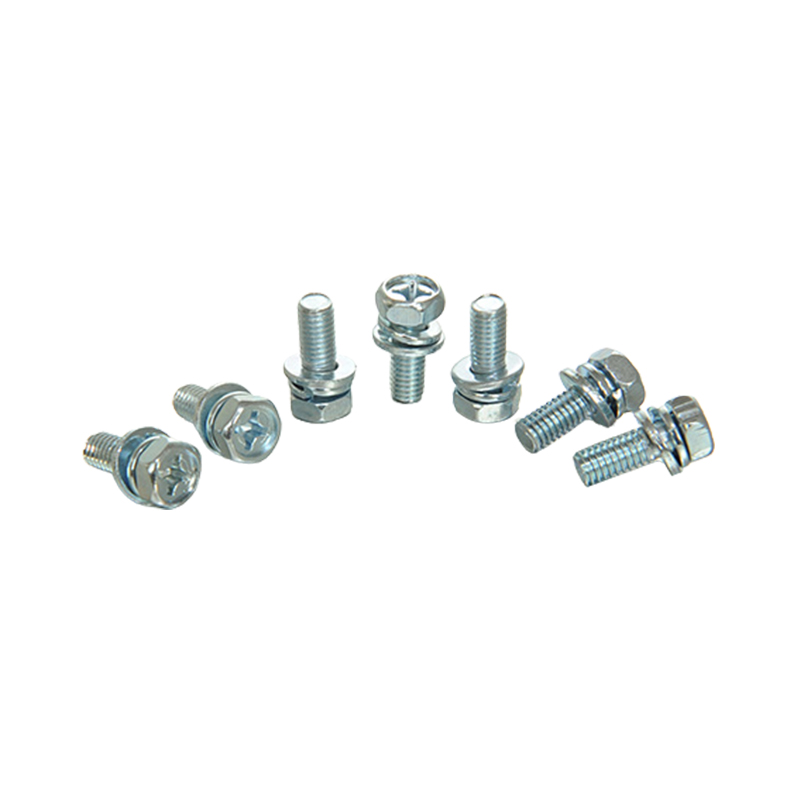
Hexagonal gasket screws are engineered to provide secure fastening while ensuring a tight seal between components. They are commonly used in machinery, automotive, plumbing, and industrial applications where both mechanical stability and leak prevention are critical.
By integrating a gasket with a hexagonal screw, these fasteners combine the strength of traditional screws with enhanced sealing properties, making them indispensable for high-pressure and fluid-handling assemblies.
Key Types of Hexagonal Gasket Screws
Understanding the different types of hexagonal gasket screws helps engineers and technicians select the most appropriate fastener for specific tasks.
Standard vs. Specialized Designs
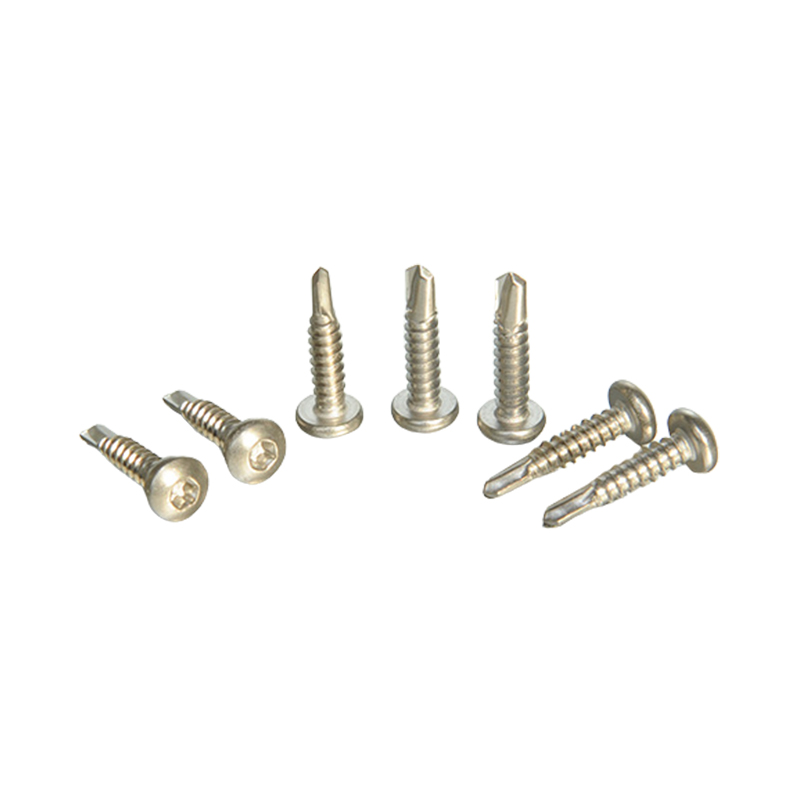
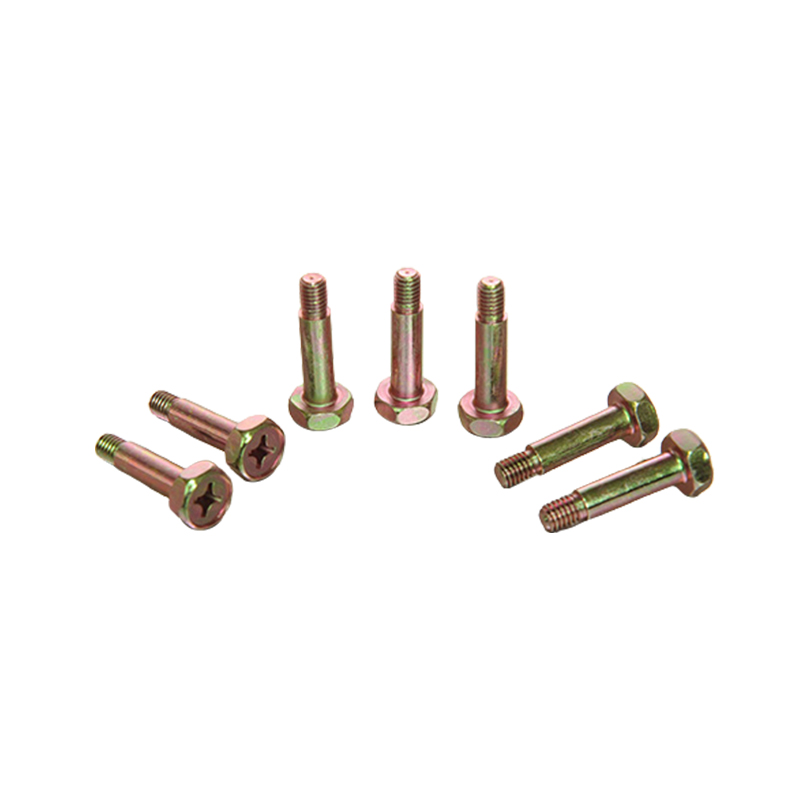
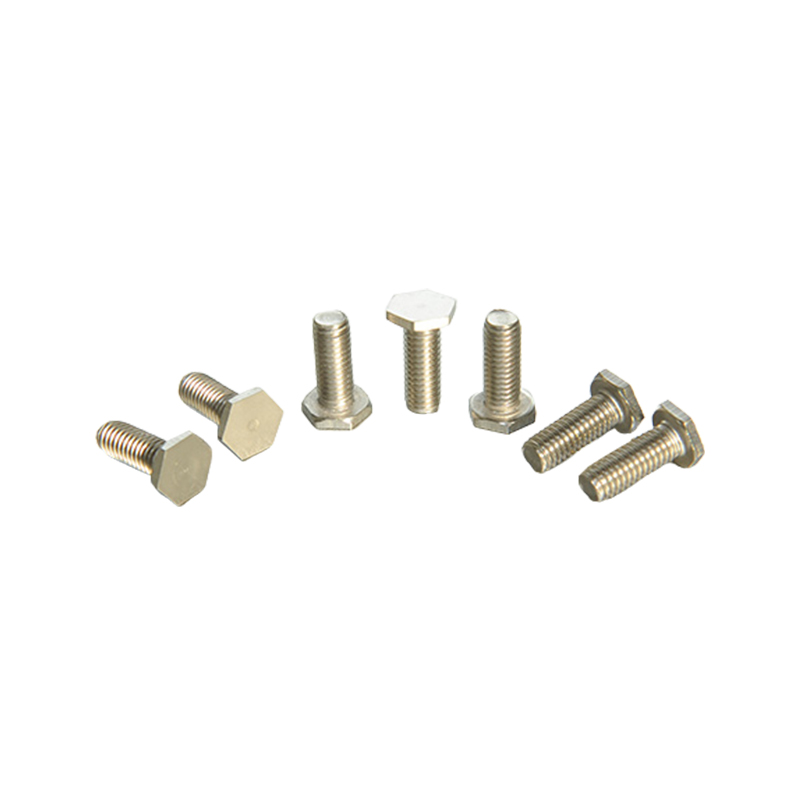
- Hex head screws with integrated rubber or metal gaskets
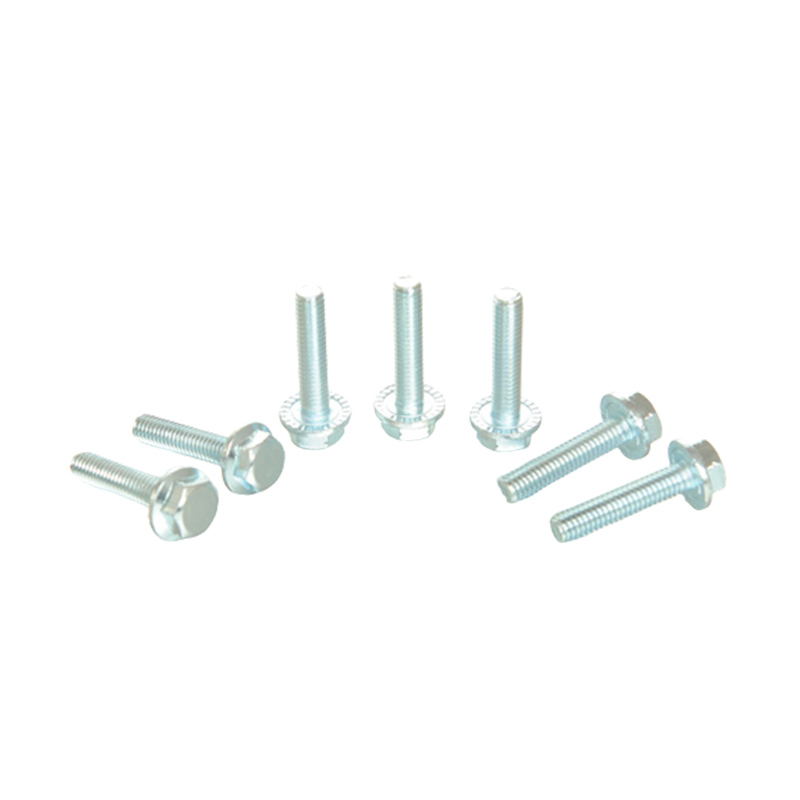
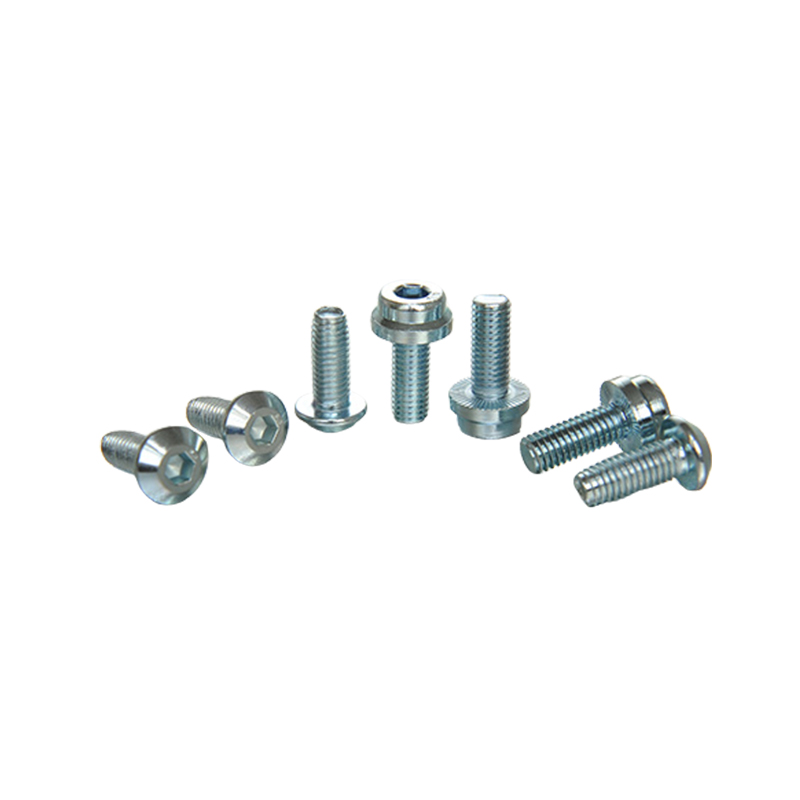
- Flanged hex screws that distribute pressure evenly
- Self-sealing hex screws for high-pressure fluid systems
- Coated hex screws for corrosion resistance and durability
Flanged and self-sealing types are preferred in applications where vibration and pressure fluctuations are frequent, preventing loosening and leakage.
Material Considerations and Durability
The performance of hexagonal gasket screws largely depends on the materials used for both the screw and the gasket.
Common Materials
- Stainless steel for corrosion resistance and high tensile strength
- Carbon steel for general-purpose industrial applications
- Brass and bronze for chemical or marine environments
- Gasket materials include rubber, PTFE, or silicone for enhanced sealing
Stainless steel screws with silicone gaskets provide both chemical resistance and superior sealing under high temperatures up to 200°C, suitable for automotive and industrial fluid systems.
Applications Across Industries
Hexagonal gasket screws are widely applied in settings where mechanical fastening and sealing must coexist.
Key Applications
- Automotive engine and transmission assemblies
- Hydraulic and pneumatic systems
- Plumbing fixtures and valves
- Industrial machinery and high-pressure pipelines
Using hexagonal gasket screws in automotive engines prevents oil leaks and ensures vibration-resistant connections, reducing maintenance frequency and improving safety.
Performance and Load-Bearing Characteristics
Selecting the right screw size, thread pitch, and gasket material is critical for achieving the desired load-bearing and sealing performance.
| Screw Size | Tensile Strength (MPa) | Sealing Efficiency | Recommended Use |
|---|---|---|---|
| M6 | 400 | High | Light machinery |
| M8 | 600 | Very High | Hydraulic systems |
| M10 | 800 | Very High | High-pressure pipelines |
Choosing the correct size and material ensures optimal load-bearing capacity and prevents leakage under high-pressure conditions.
Installation Tips for Optimal Performance
Proper installation maximizes the efficiency of hexagonal gasket screws and prevents damage to both the screw and the components being fastened.
Best Practices
- Clean and prepare surfaces before installation
- Use torque-controlled tools to avoid over-tightening
- Ensure gaskets are correctly seated and not twisted
- Regularly inspect connections for wear or leaks
Adhering to installation guidelines can increase fastener lifespan by over 25% and maintain leak-free operation even under high vibration conditions.