 English
 Español
 日本語
日本語

In many manufacturing lines, pressure riveting screws are the kind of part you only notice when something goes wrong.
That’s because when they work, they’re invisible. But when they fail, the whole assembly can wobble, loosen, or even break apart.
For manufacturers, pressure riveting screws are not just another fastener—they’re a reliability decision. And in industries where vibration, repeated use, or tight space matters, choosing the wrong fastener is an expensive mistake.
So What Are Pressure Riveting Screws?
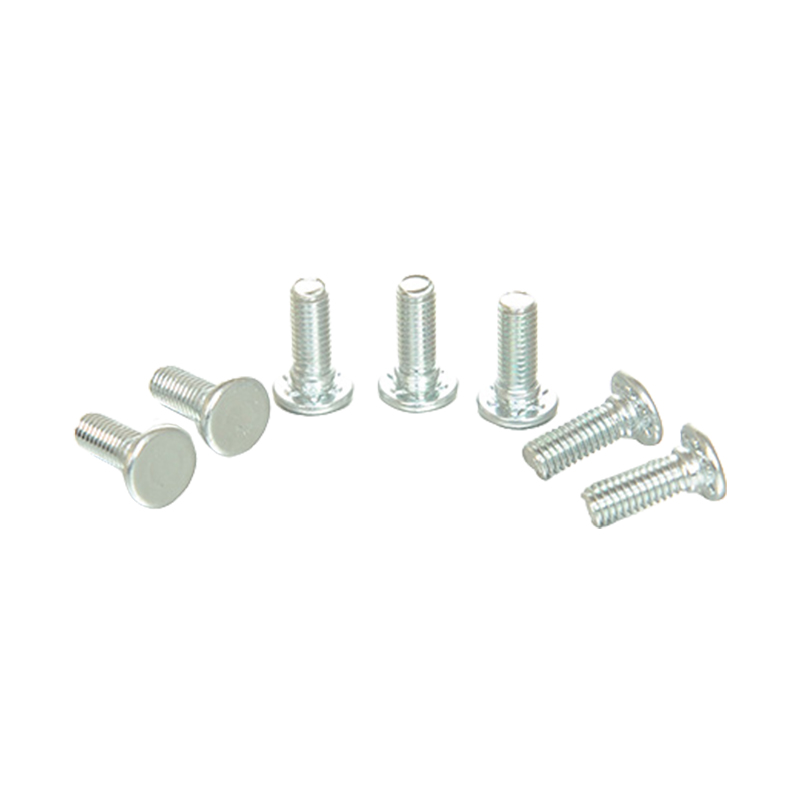
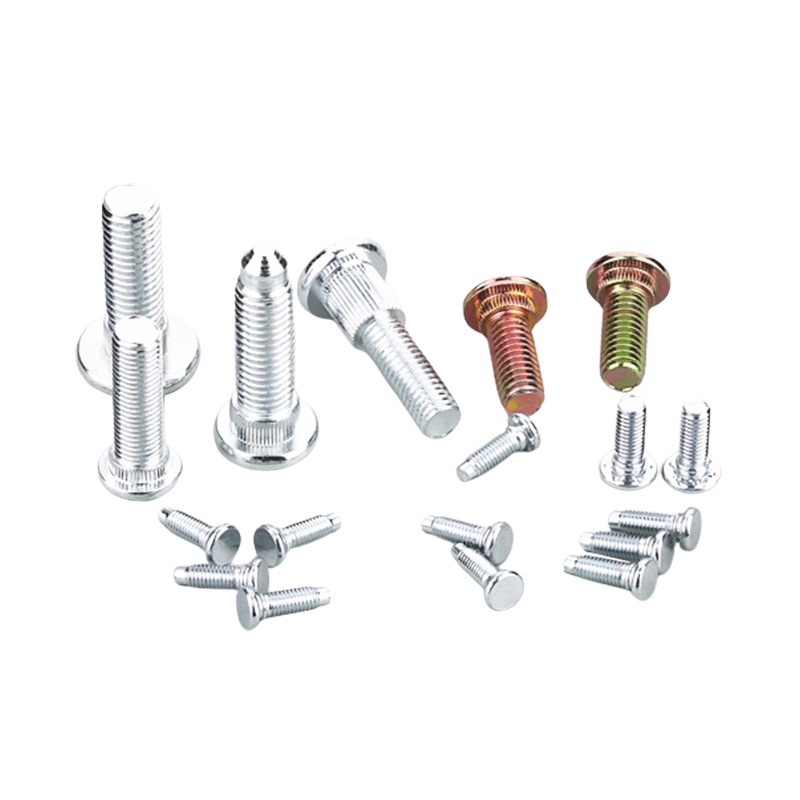
Pressure riveting screws are fasteners designed to join materials through a combination of pressure and mechanical deformation.
Think of them as a screw that locks itself in place by pressing and expanding inside a hole, rather than relying only on thread engagement.
They’re commonly used when a strong joint is needed, but the materials or space do not allow for traditional nuts, threaded inserts, or welding.
In simple terms: they’re the “do more with less” fastener.
Why Do They Matter So Much?
Because pressure riveting screws solve a very common manufacturing problem: how to make strong connections in limited space without complicated assembly steps.
In many product lines, customers don’t care what kind of screw is used—as long as the product feels solid. But behind the scenes, engineers care a lot.
Here’s why:
- - They reduce assembly time compared to nuts and bolts
- - They improve vibration resistance compared to standard screws
- - They avoid the need for welding or expensive inserts
- - They create a clean surface finish without protruding parts
That’s why they’re used in appliances, electronics, automotive components, furniture, and many other industries.
When Are Pressure Riveting Screws Used?
They’re typically used when:
- - Space is limited and a nut cannot fit
- - Vibration is strong and loosening is a risk
- - The joint needs to be strong but the materials are thin
- - A clean appearance is required, with no visible fasteners
One example is a thin metal panel joined to a thicker frame, where you can’t thread the panel itself. Another example is an electronics enclosure where space is tight and every millimeter counts.
In many cases, they are the best solution when you want strength without complexity.
How Do Pressure Riveting Screws Work?
The working principle is surprisingly simple, but the engineering behind it is not.
Step 1: The Screw Is Inserted
The screw is placed into a pre-drilled hole.
Depending on the design, the hole might be a tight press fit or slightly larger to allow controlled deformation.
Step 2: Pressure Is Applied
During assembly, pressure or torque forces the screw into place.
The screw is designed to expand, deform, or create a locking action inside the material.
Step 3: A Locked Joint Is Formed
The result is a joint that resists pull-out and loosening, even under vibration.
It’s not just “screwed in.” It’s mechanically locked.
That’s why it’s used in applications where standard fasteners would eventually fail.
What Are the Trade-Offs?
No fastener is perfect. Pressure riveting screws come with their own set of trade-offs.
Pros
- - Strong, vibration-resistant joints
- - No need for nuts or inserts
- - Cleaner appearance and less protrusion
- - Faster assembly in many cases
Cons
- - Requires precise hole size and material control
- - Not easily removable without damage
- - Requires specialized assembly equipment in some cases
- - Not suitable for all materials, especially very hard or very soft ones
In short: they are great for permanent or semi-permanent joints, but not ideal for products that require frequent disassembly.
What Should Manufacturers Pay Attention To?
From real production experience, the most common failures come from the same few mistakes.
Hole Tolerance Is Critical
Too tight and the screw can deform incorrectly or break. Too loose and the joint will be weak.
Manufacturers need strict process control to keep holes consistent.
Material Choice Matters
The material being fastened needs to support deformation. If it’s too brittle, it cracks. If it’s too soft, it strips or pulls out.
Assembly Process Must Be Stable
Torque control, pressure settings, and tooling alignment affect the joint quality.
Inconsistent assembly leads to inconsistent strength.
Consider Service Life
If the product will be exposed to vibration, temperature changes, or moisture, the fastener must resist loosening over time.
How Is the Market Changing?
Pressure riveting screws are becoming more common because products are getting lighter, thinner, and more compact.
That means traditional fastening methods don’t always work anymore.
Manufacturers are increasingly turning to solutions that provide strong joints without adding bulk or assembly complexity.
In many industries, pressure riveting screws are no longer a niche option—they’re becoming a standard choice for modern design.
Final Thoughts
Pressure riveting screws aren’t glamorous, but they’re one of those parts that determine whether a product feels solid or cheap.
For manufacturers, the key is not just choosing a fastener, but choosing the right fastener for the right application, with the right process control.
When done correctly, pressure riveting screws deliver strong, reliable, and clean joints that keep products working longer and customers happier.