 English
 Español
 日本語
日本語

The strength of a press-fit joint is decided before the press ever comes down — in the hole spec.
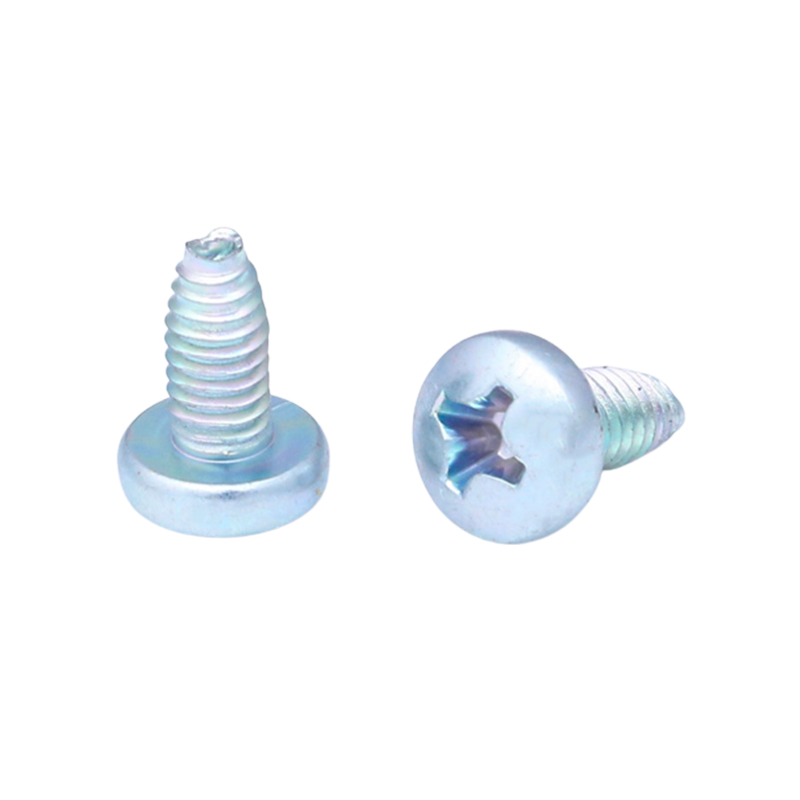
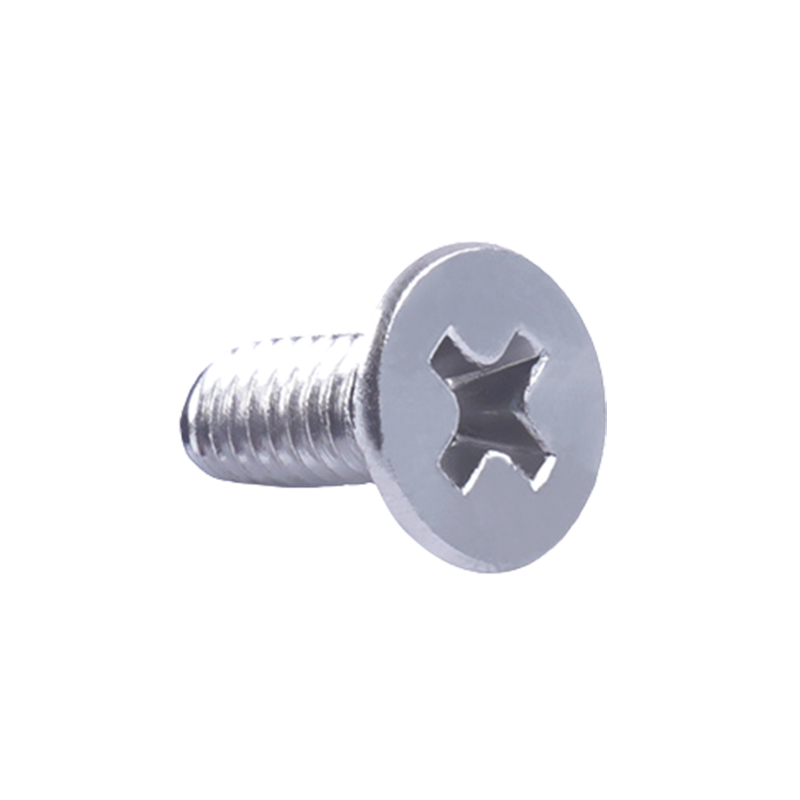
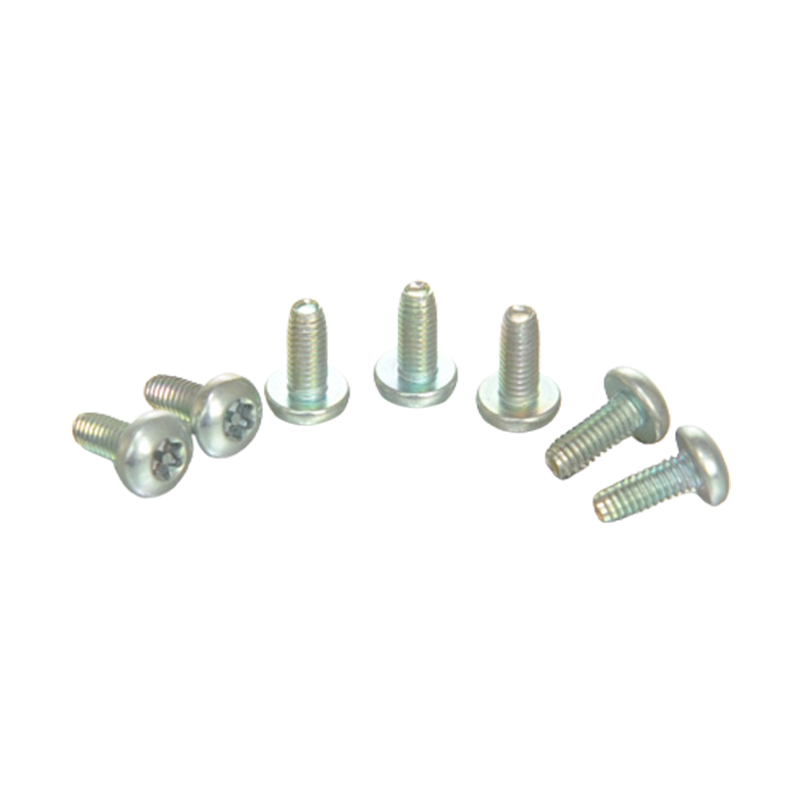
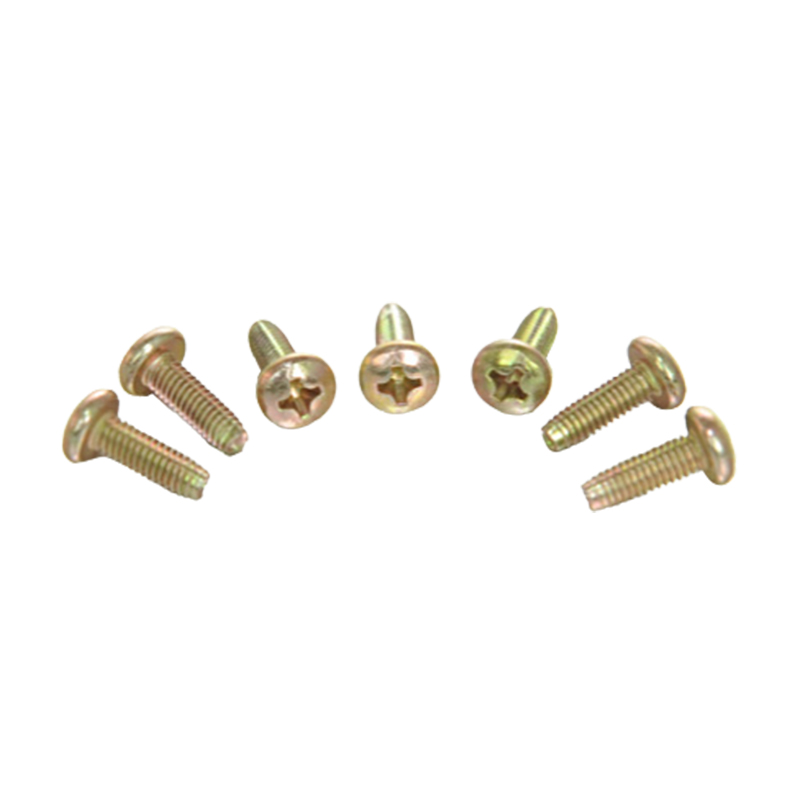
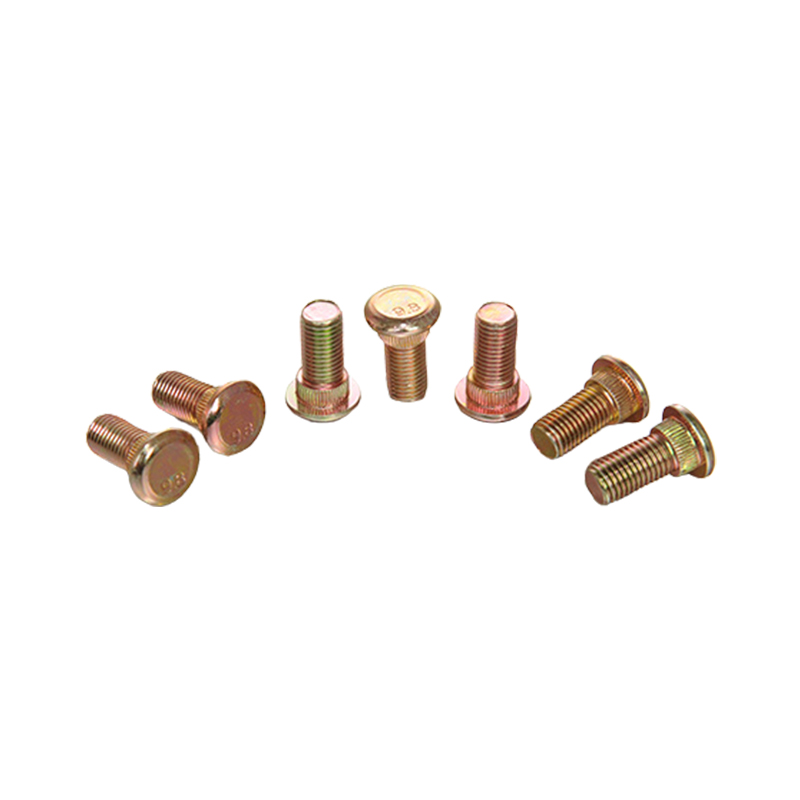
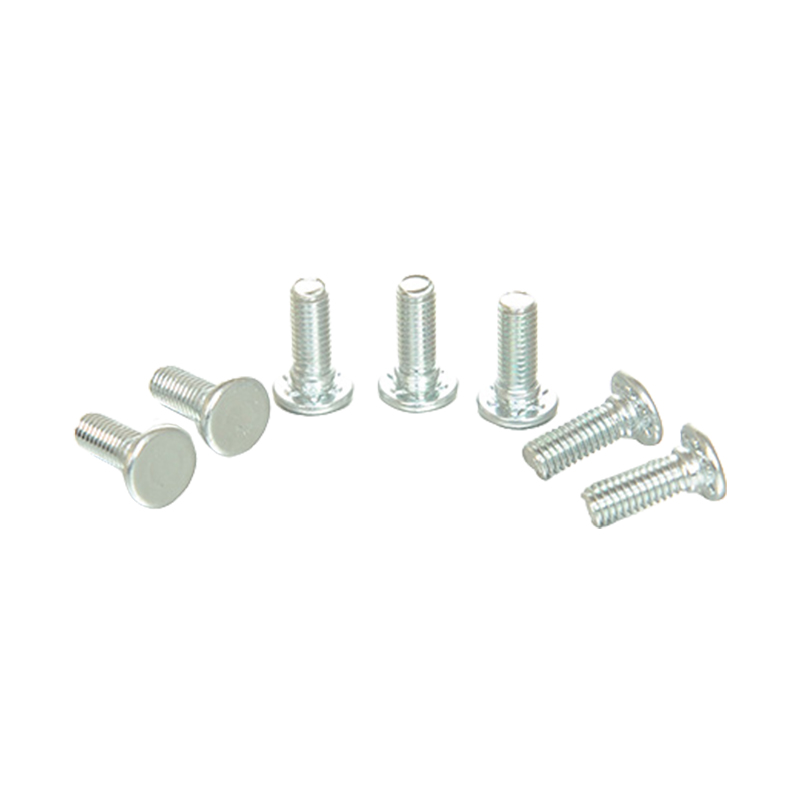
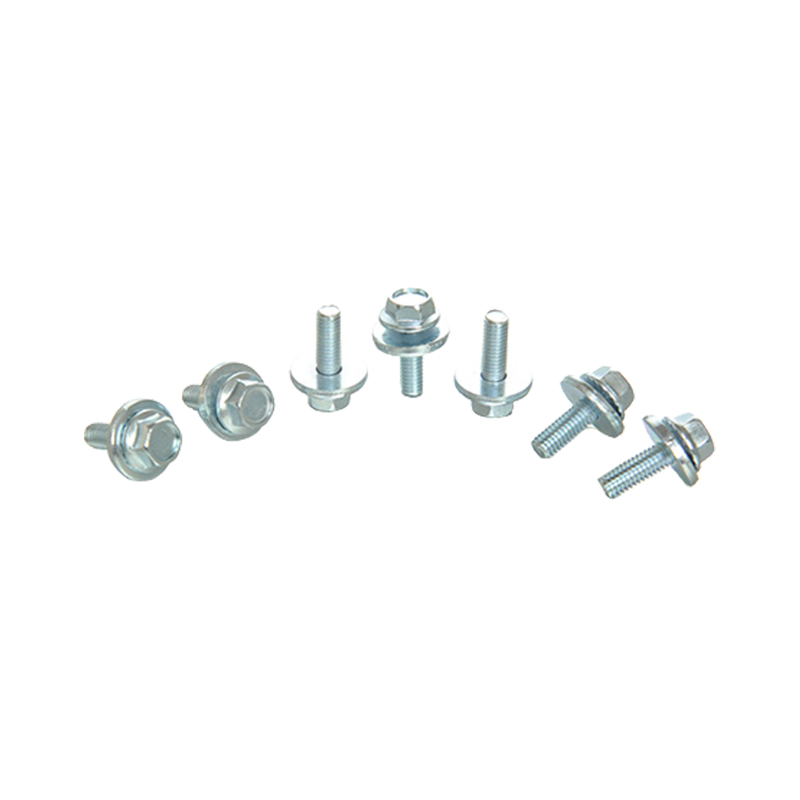
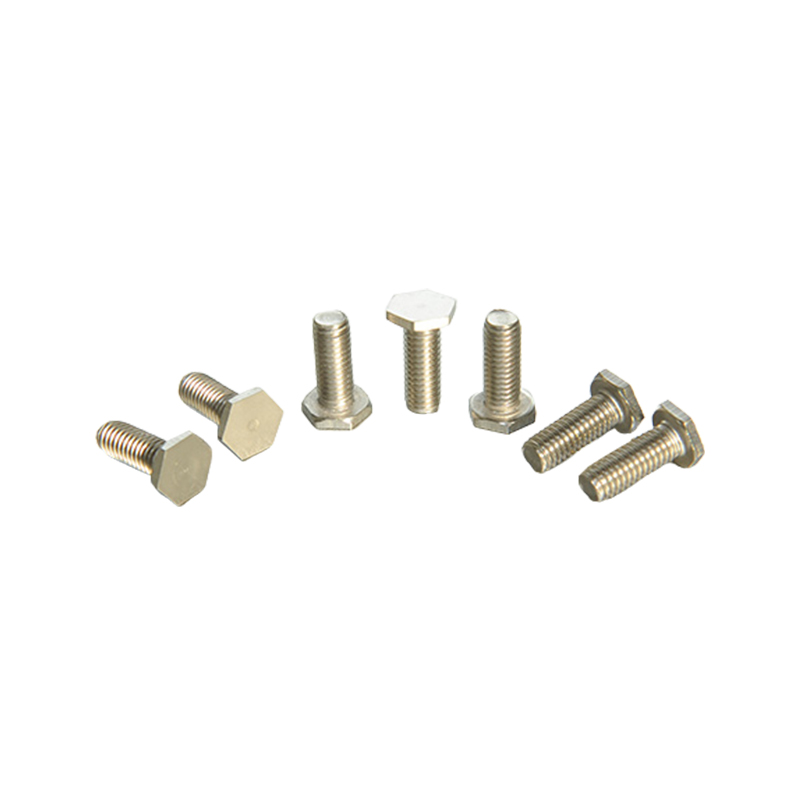
Sheet metal assemblies need a reliable way to add a threaded mounting point without welding, without a nut floating loose on the back side, and without adding meaningful weight. Pressure riveting screws solve exactly that problem, and they've become a standard fastening method in electronics enclosures, HVAC panels, and appliance housings for one simple reason: installed correctly, the joint is often stronger than the surrounding sheet metal itself. The sections below compare press-fit riveting screws against the other common fastening methods, then walk through what actually determines whether a pressed joint holds.
A properly sized pressure riveting screw installs in a single press stroke, with no secondary welding or threading step.
Typical pull-out strength improvement of a knurled press-fit stud compared with a plain self-tapping screw in equivalent sheet thickness.
Typical hole-diameter tolerance required for a clinch fastener to seat and displace metal correctly under press force.
Method comparisonPress-Fit Riveting Screws vs Self-Tapping Screws vs Weld Studs
Three fastening approaches compete for the same job in sheet metal assembly, and each trades installation speed against joint strength differently.
| Method | Installation | Joint Strength | Back-Side Access Needed |
| Press-FitRiveting screw | Single press stroke into pre-punched hole | High; metal cold-flows around knurling | No, once pre-punched |
| Self-TappingScrew | Driven directly, cutting its own thread | Moderate; depends on sheet thickness | No |
| Weld Stud | Fused via resistance or arc welding | Very high, but heat-affected zone risk | No, but requires welding equipment |
Weld studs can match or exceed press-fit strength, but they introduce heat distortion risk and require welding capability on the production line. Self-tapping screws install fast but rely entirely on thread engagement in the sheet itself, which weakens quickly in thin-gauge material. Press-fit riveting screws sit in the middle: no heat, no back-side nut, and strength that scales predictably with sheet thickness and hole tolerance.
How it worksHow the Pressure Installation Process Actually Works
- A pilot hole is punched or drilled to a precise diameter matched to the specific fastener's shank profile.
- The screw is positioned in the hole with its knurled or serrated collar aligned against the sheet metal surface.
- An arbor press or dedicated insertion tool applies controlled axial force, driving the shank into the hole.
- As the shank seats, the surrounding metal cold-flows into the knurl grooves, locking the fastener against both rotation and pull-out.
- The finished joint sits flush or slightly proud of the surface, ready for immediate use without curing time or cooldown.
Sheet compatibilityMatching Screw Type to Sheet Metal Thickness and Hardness
Sheet thickness and hardness both limit how much clinching force a hole can actually resist before the surrounding material deforms or cracks rather than flowing cleanly around the fastener.
| Sheet Thickness | Recommended Approach | Note |
| Under 1.0 mm | Broach-style clinch fastener | Thin sheets need a wider clinching flange to distribute load |
| 1.0–3.0 mm | Standard knurled press-fit stud | Most common range for enclosure and panel work |
| Over 3.0 mm | Weld stud or tapped thread | Thicker material can support tapping directly without a separate fastener |
Sheet hardness matters just as much as thickness. Softer aluminum alloys flow more readily around a knurled shank than hardened steel, which is why fastener manufacturers publish separate hole-diameter charts for different base metals rather than a single universal spec.
Material selectionSteel vs Stainless vs Aluminum Riveting Screws
Carbon Steel
- Lowest cost option for general indoor enclosure work
- Good clinching performance into steel and aluminum sheets
- Requires plating to resist corrosion in humid environments
Stainless Steel
- Strong corrosion resistance without additional plating
- Preferred for outdoor, marine, or washdown environments
- Slightly higher press force needed due to material hardness
Aluminum press-fit fasteners also exist for weight-sensitive assemblies, though they carry noticeably lower pull-out strength than steel or stainless variants and are generally reserved for light-duty panel work rather than structural mounting points.
Load performanceWhere Pull-Out and Torque-Out Strength Matter Most
- Pull-out strength determines how much axial force the fastener resists before it separates from the sheet, critical for panels that get repeatedly bolted and unbolted
- Torque-out strength determines how much rotational force the fastener resists, important anywhere a mating screw gets tightened directly into the stud
- Applications with frequent disassembly, like equipment access panels, benefit most from higher torque-out ratings over raw pull-out numbers
- Static, rarely-serviced mounting points can often use a lighter-duty fastener without meaningful performance loss
Common errorsInstallation Mistakes That Weaken the Joint
- Using an oversized pilot hole, which reduces the amount of metal available to cold-flow around the knurling
- Applying insufficient press force, leaving the fastener only partially seated and prone to working loose
- Ignoring sheet hardness variation between production batches, leading to inconsistent clinching results
- Reusing a hole after removing a failed fastener, rather than relocating to a fresh, properly sized hole
Failure signsWhen a Pressed Joint Needs Replacement or Reinforcement
- Visible rotation of the fastener when a mating screw is tightened, indicating the knurl has stripped its grip on the sheet
- A gap or standoff between the fastener collar and the sheet surface, suggesting incomplete original seating
- Cracking or deformation in the sheet metal immediately surrounding the fastener
- Repeated loosening under vibration, often solved by stepping up to a larger fastener size rather than adding thread-locking compound alone