 English
 Español
 日本語
日本語

Introduction to Triangle Screws
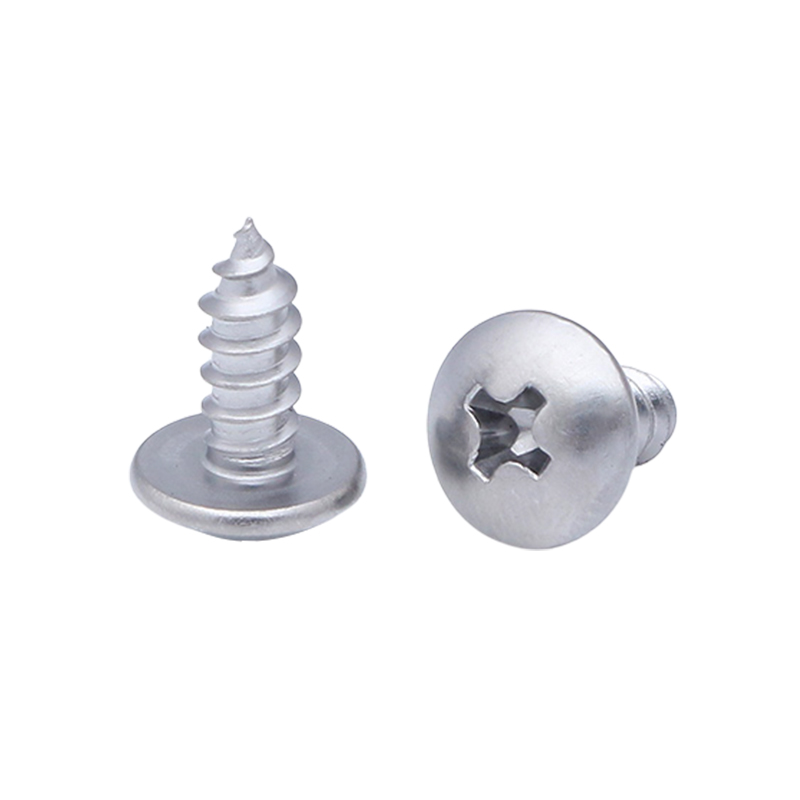
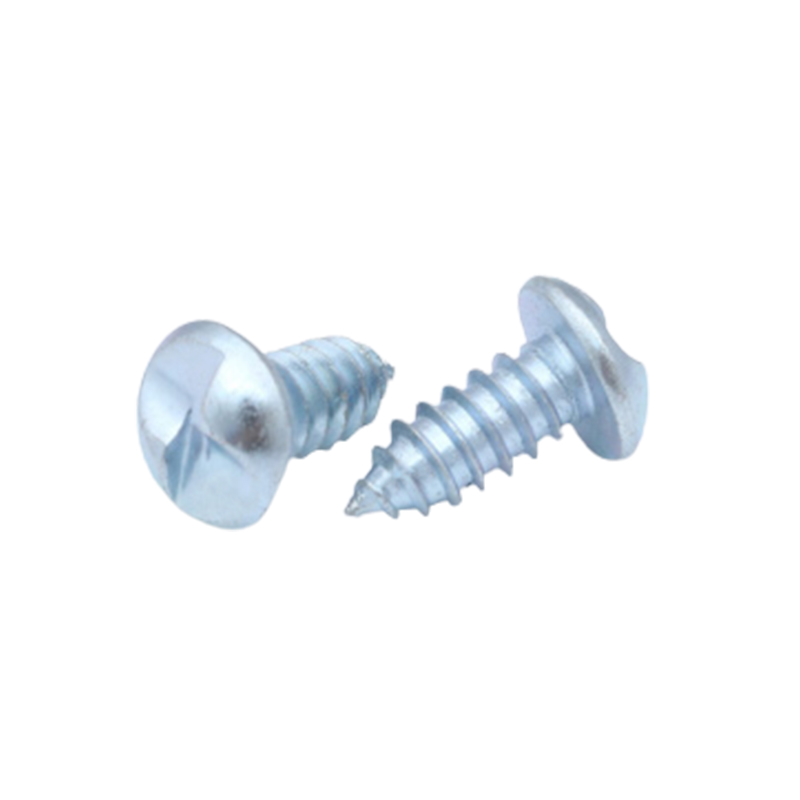
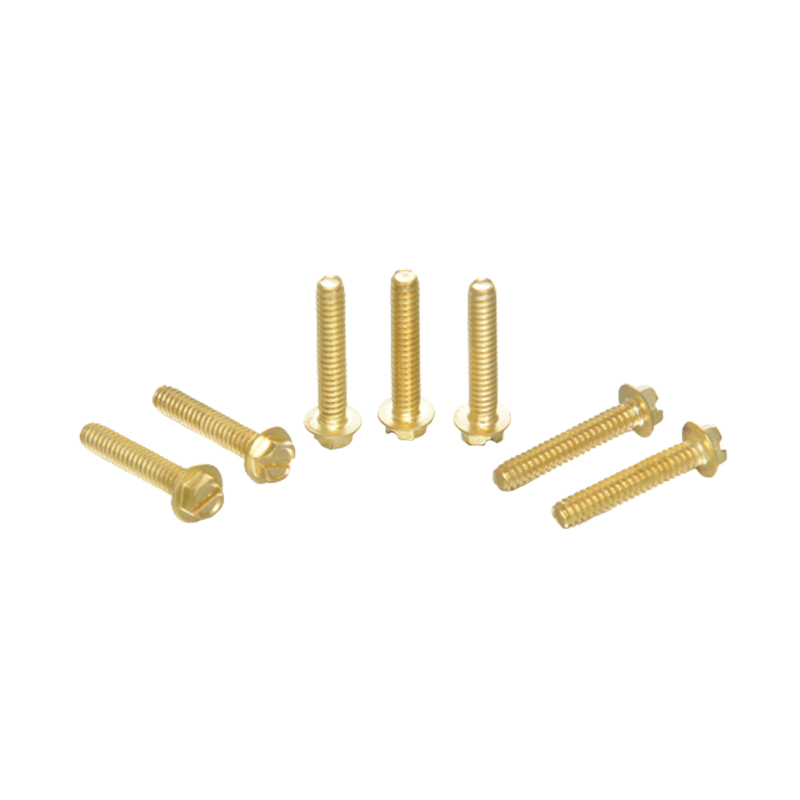
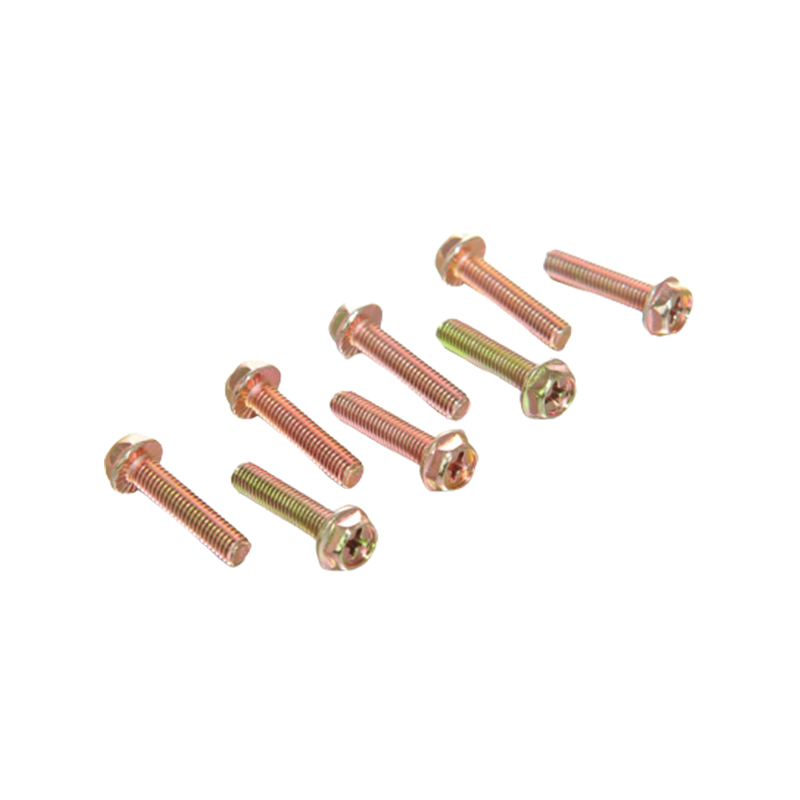
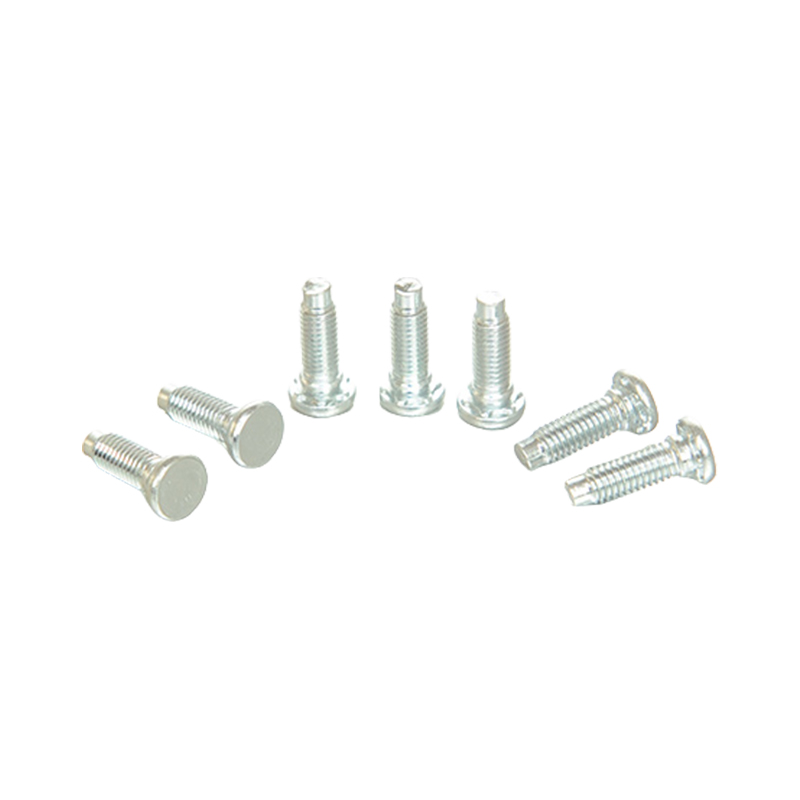
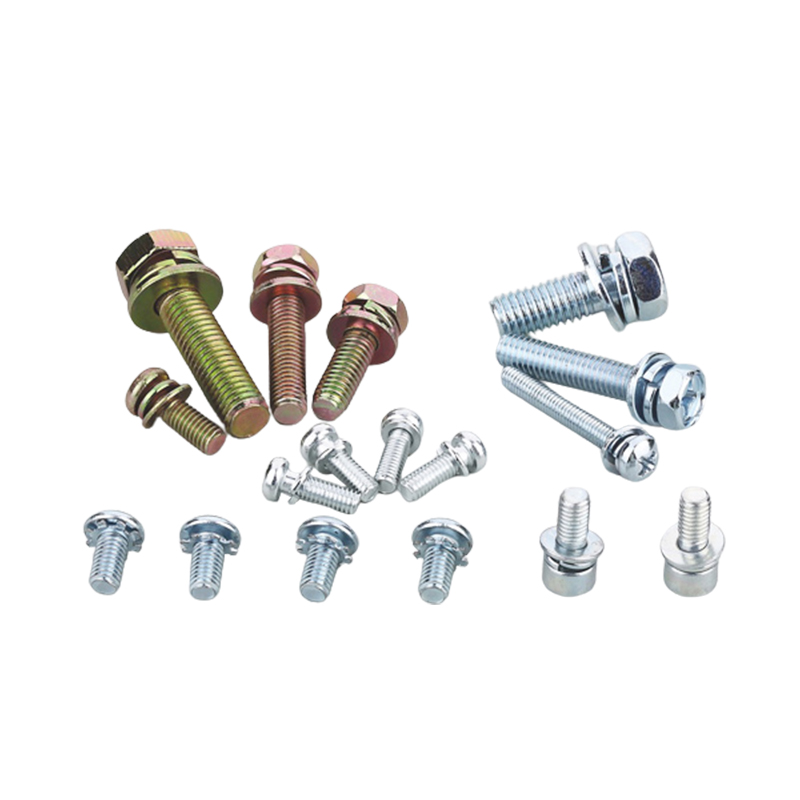
Triangle screws are specialized fasteners designed for high-strength applications where conventional screws may fail. They offer superior holding power and resistance to loosening due to their unique triangular thread geometry, which increases the contact surface with the material.Triangular self-tapping locking screws extend this concept by combining self-tapping capabilities with a locking mechanism, enabling installation without pre-drilled holes and preventing unintentional loosening under vibration or dynamic load conditions.
Key Advantages of Triangular Screw Design
The triangular thread profile provides several practical advantages over traditional round-thread screws:
- Enhanced grip and holding force, reducing the risk of stripping.
- Improved resistance to vibration-induced loosening.
- Efficient torque transfer, minimizing installation effort.
- Uniform load distribution along the screw threads.
Example: In industrial machinery applications, triangular screws have been shown to maintain 30% more torque retention under vibration compared to conventional metric screws.
Applications of Triangle Screws
Triangle screws and triangular self-tapping locking screws are widely used across industries where secure fastening is critical:
- Electronics assembly, especially in devices subject to vibration.
- Automotive components like engine mounts and chassis fixtures.
- Industrial machinery and robotics where frequent maintenance is required.
- Wood and composite furniture requiring strong joints without pre-drilling.
For example, triangular self-tapping locking screws are ideal for assembling lightweight aluminum frames without the need for nuts or threaded inserts.
Material Selection and Coatings
Triangle screws are available in a variety of materials and finishes depending on the environment:
- Stainless steel for corrosion resistance in outdoor or marine applications.
- Carbon steel with zinc plating for general industrial use.
- Alloy steel for high-strength applications exceeding 1000 MPa tensile strength.
- Nylon or polymer-coated screws for non-conductive or lightweight applications.
Tip: Using screws with proper anti-corrosion coating can increase the lifespan of assemblies by more than 50% in humid or outdoor environments.
Installation Techniques
Correct installation is crucial for maximizing the performance of triangle screws. Key practices include:
- Using compatible drivers designed for triangular heads to prevent stripping.
- Applying consistent torque according to manufacturer specifications.
- Ensuring proper thread engagement with the material for self-tapping screws.
- Avoiding over-tightening, which can compromise the locking feature.
For instance, in aluminum assemblies, torque values are often reduced by 20–30% compared to steel to avoid stripping the threads.
Specifications and Sizes
Triangle screws are available in a wide range of sizes and specifications. Common metrics include diameter, length, thread pitch, and head style. Below is a reference table:
| Diameter (mm) | Length (mm) | Head Type | Material | Torque Rating (Nm) |
|---|---|---|---|---|
| 3 | 10–50 | Pan / Flat | Stainless Steel | 1.2–2.5 |
| 5 | 20–100 | Hex / Flat | Carbon Steel | 4–8 |
| 8 | 30–150 | Hex Socket | Alloy Steel | 15–25 |
Choosing the Right Triangle Screw
Selecting the correct triangle screw involves evaluating the following criteria:
- Material compatibility with the substrate to prevent corrosion or galling.
- Required load-bearing capacity and torque retention.
- Head type suitable for installation tools and space constraints.
- Environmental conditions such as temperature, moisture, or chemical exposure.
Practical Tip: For dynamic applications like automotive or machinery, always prioritize screws with self-locking features to reduce maintenance frequency.