 English
 Español
 日本語
日本語

Introduction to Combination Screws
Combination screws are fasteners designed to be versatile and can be driven using different types of tools, such as slotted, Phillips, or Pozidriv screwdrivers. This adaptability makes them popular in a wide range of applications, including in industries such as automotive, construction, and manufacturing. These screws offer a convenient solution for situations where different types of drivers are available or when the user may need to switch between different tools. Despite their versatility, one important consideration is whether combination screws are suitable for use in high-load or high-vibration environments.
What Are Combination Screws?
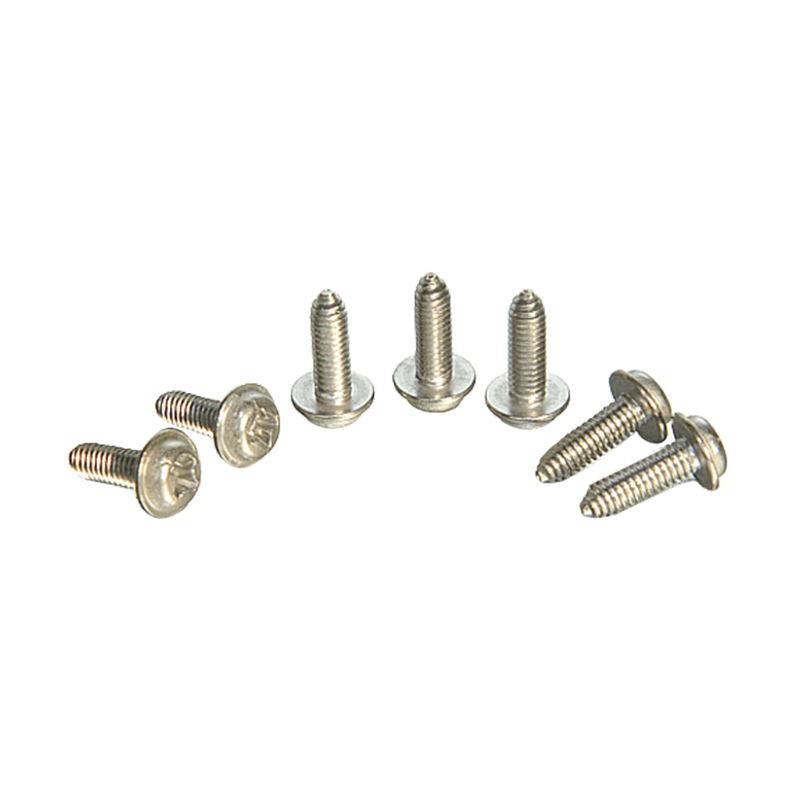
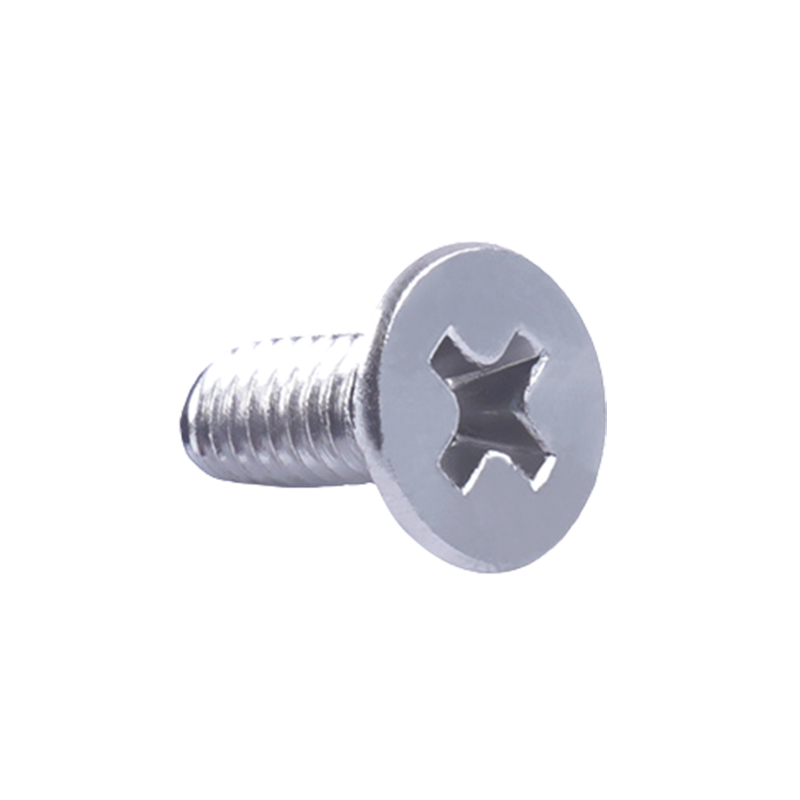
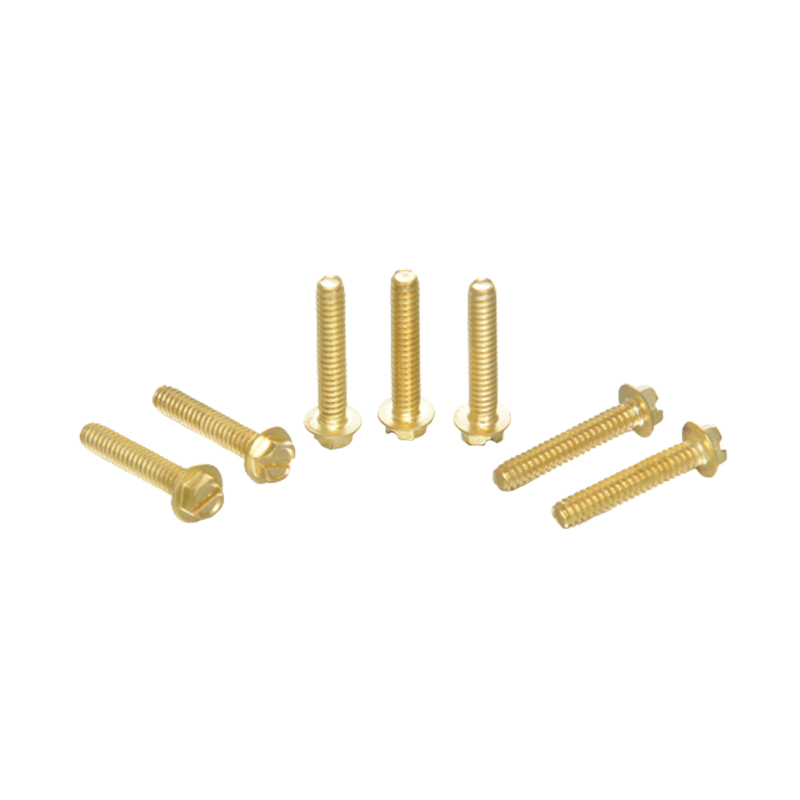
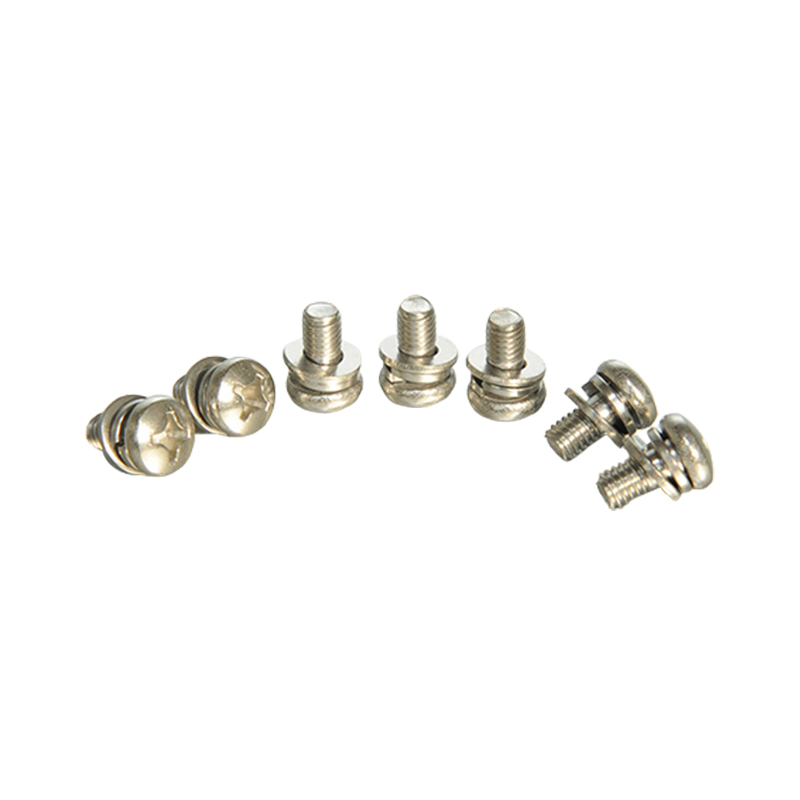
Combination screws are designed with a head that accommodates multiple types of screwdrivers. Typically, the head has a central slot for a slotted screwdriver, along with cross-shaped recesses for Phillips or Pozidriv drivers. This flexibility allows users to choose the most suitable tool depending on the available options or the specific task at hand. This versatility is particularly useful in industries where various types of fasteners are needed but using a single tool to drive them is more convenient.
These screws are available in various materials, such as stainless steel, zinc-plated steel, or brass, and are used in a variety of applications. They are commonly used in furniture assembly, electrical work, appliances, and even some automotive and industrial applications. While they offer convenience, their design and material selection must be carefully considered to determine their suitability in high-load or high-vibration environments.
Understanding High-Load and High-Vibration Environments
High-load environments refer to situations where fasteners are subjected to significant mechanical forces. This includes applications such as machinery, structural components, or equipment that experience constant pressure, tension, or shear forces. For fasteners in high-load situations, the ability to withstand these forces without failure is critical. These fasteners must resist loosening, deformation, or stripping, which can compromise the structural integrity of the assembly.
On the other hand, high-vibration environments are those in which the fastener is exposed to continuous or repeated vibrations. Vibration can cause fasteners to loosen over time due to the oscillating forces acting on them. This is common in applications such as automotive engines, heavy machinery, or aerospace systems, where constant movement or mechanical operation generates significant vibrations. In such environments, fasteners need to be secure enough to remain in place despite the stress caused by repeated movement.
Strength and Durability of Combination Screws
The strength and durability of combination screws largely depend on the material used in their construction and the specific design of the screw threads. Stainless steel, for example, offers good corrosion resistance and strength, making it suitable for many environments, but it may not be ideal for extremely high-load conditions. Similarly, zinc-plated steel is more affordable but may lack the strength and corrosion resistance needed for high-load applications.
In high-load environments, the ability of a screw to resist shear and tensile forces is essential. Combination screws, like all screws, rely on their threads to create friction with the material they are fastening. The deeper and more precisely machined the threads, the better the screw can resist load-induced forces. However, in high-load applications, the versatility of the combination screw (in terms of multiple driver compatibility) may be a disadvantage. The shallow recesses in combination screws are generally not as strong as those found in screws designed specifically for a single type of driver, which could lead to wear or stripping when subjected to significant force.
Resistance to Loosening in High-Vibration Conditions
In high-vibration environments, one of the primary concerns is whether the screw will remain securely fastened. Vibration can cause fasteners to slowly loosen over time, a phenomenon known as “vibration loosening.” This is particularly problematic in applications like automotive engines, where constant movement and vibration occur. Combination screws, especially those with a cross-shaped recess, can be more prone to loosening because the driving tool may not create as secure a grip as with a dedicated Phillips or Pozidriv screw.
To improve the performance of combination screws in high-vibration environments, various design features are incorporated. For example, some combination screws come with locking features, such as nylon inserts or serrated edges, which can help prevent loosening. These locking features are essential in applications where vibration is a concern. Additionally, the use of thread-locking adhesives can enhance the resistance of screws to loosening in vibration-heavy conditions. However, the success of these additional features can vary, and there are still risks associated with the inherent design limitations of combination screws.
Impact of Tool Compatibility on Performance
One of the key features of combination screws is their ability to work with a variety of tools. While this versatility offers convenience, it can also affect the performance of the screw in demanding environments. When a screw is installed or tightened using a tool that does not fit perfectly, the resulting torque may not be evenly distributed across the screw head. This can cause uneven pressure on the threads and may even lead to the stripping of the screw recess, especially in high-load applications.
In high-vibration environments, improper tool compatibility may lead to issues with torque application and can contribute to the gradual loosening of the screw. The ability to achieve consistent and precise tightening is critical in high-load or high-vibration settings, and while combination screws offer flexibility, they may not provide the level of precision required to ensure long-term stability under these conditions.
Material Considerations for High-Load and High-Vibration Environments
The material of a combination screw plays an important role in its performance in high-load and high-vibration environments. For example, screws made of hardened steel are generally more durable and better suited to high-load applications. The strength of the material helps prevent deformation, ensuring that the screw can handle the forces placed on it without failure. On the other hand, softer materials may bend or stretch under load, leading to failure or loosening over time.
In high-vibration conditions, materials such as stainless steel or certain high-strength alloys may offer improved resistance to fatigue. These materials are less likely to degrade or fracture when subjected to repeated vibration. However, as mentioned earlier, combination screws may not always be ideal for these conditions, as their design is intended to provide flexibility in tool usage rather than optimal performance in specialized settings. A dedicated screw designed for high-vibration applications, such as one with a locking mechanism or a specialized thread design, may be more effective in such environments.
Use of Locking Mechanisms for Increased Stability
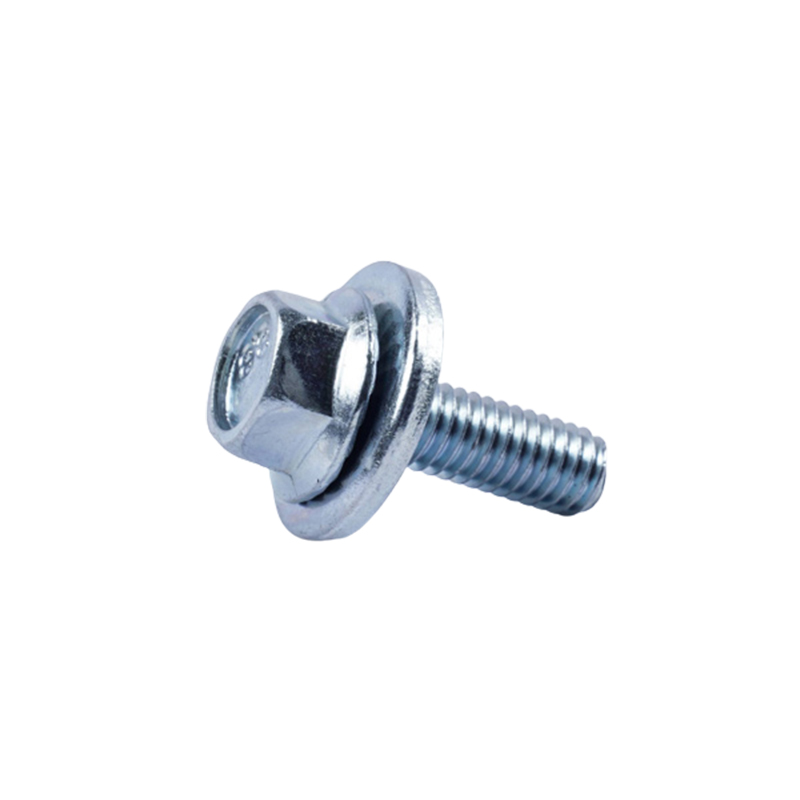
In high-load and high-vibration applications, additional features such as locking mechanisms can significantly enhance the stability of combination screws. Locking nuts, thread inserts, or washers can help prevent the screw from loosening under stress. Some combination screws come with built-in locking features, such as nylon inserts or mechanical locks that grip the threads tightly and resist movement.
For applications where vibration is a concern, it may be necessary to supplement combination screws with other locking solutions. For example, using a thread-locking adhesive like Loctite or incorporating a split-ring washer can help secure the fastener and prevent loosening. While combination screws can be effective when used with these additional locking components, relying solely on the screw’s built-in design may not offer sufficient protection in more demanding conditions.
Applications in High-Load or High-Vibration Environments
Combination screws are commonly used in light-duty applications where the conditions are not overly harsh. For example, in household furniture assembly or appliance manufacturing, combination screws offer a practical solution for fastening materials together. However, for high-load or high-vibration environments, such as in automotive engines, heavy machinery, or aerospace applications, combination screws may not provide the level of reliability needed for long-term performance.
In these demanding environments, other fasteners specifically designed for high loads or vibrations, such as locking bolts, heavy-duty nuts, or industrial-grade screws, may be more appropriate. These fasteners are typically made of stronger materials, feature specialized thread designs, and are equipped with locking mechanisms to prevent loosening and failure. While combination screws are convenient and versatile, their design is better suited for less extreme conditions where high vibration and load-bearing capacity are not as critical.
Suitability of Combination Screws in Demanding Conditions
Combination screws offer convenience and versatility in a variety of applications, but their suitability for high-load or high-vibration environments is limited. While they can perform well in light-duty applications, their design and material strength may not be ideal for environments where fasteners are subjected to significant mechanical forces or continuous vibration. The risk of loosening, stripping, or failure in such conditions can be mitigated by using locking mechanisms, adhesives, or selecting fasteners specifically designed for high-performance environments. When dealing with high-load or high-vibration scenarios, it's important to consider the unique demands of the application and select the most appropriate fastener for the job.