 English
 Español
 日本語
日本語

Pressure Riveting Screws: Key Fastening Solution
Pressure riveting screws provide a secure and permanent fastening method for various industrial and mechanical applications. They combine the advantages of mechanical locking with ease of installation, offering reliable joint stability without requiring additional adhesives or welding.
These screws are widely used in automotive, electronics, aerospace, and construction industries due to their ability to handle vibration, thermal expansion, and mechanical stress effectively.
Materials and Specifications
Pressure riveting screws are typically manufactured from high-grade steel, stainless steel, or aluminum alloys to ensure corrosion resistance and high tensile strength. Heat-treated variants can achieve enhanced durability for demanding industrial environments.
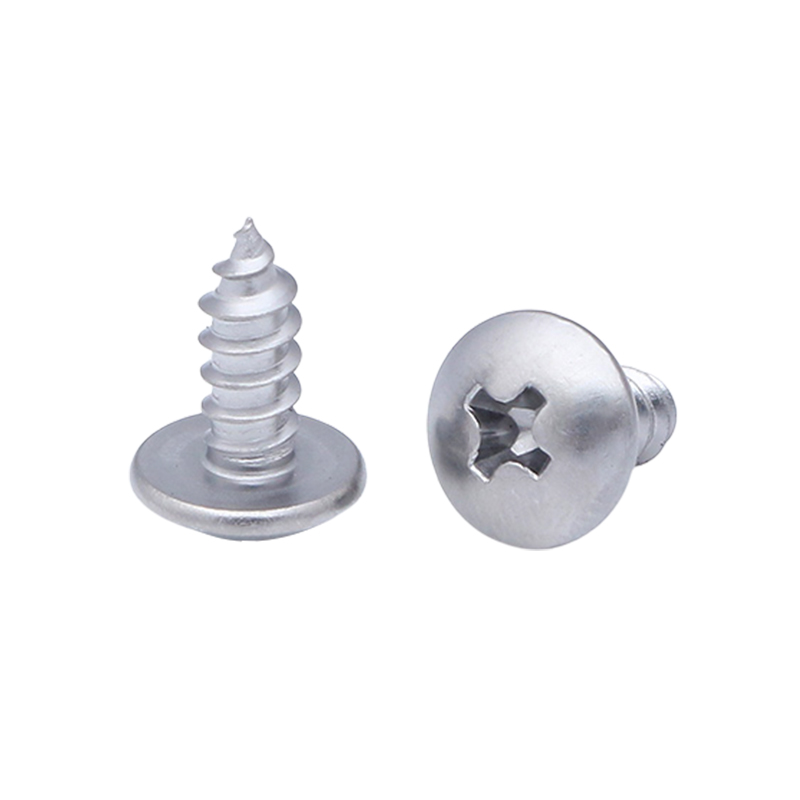
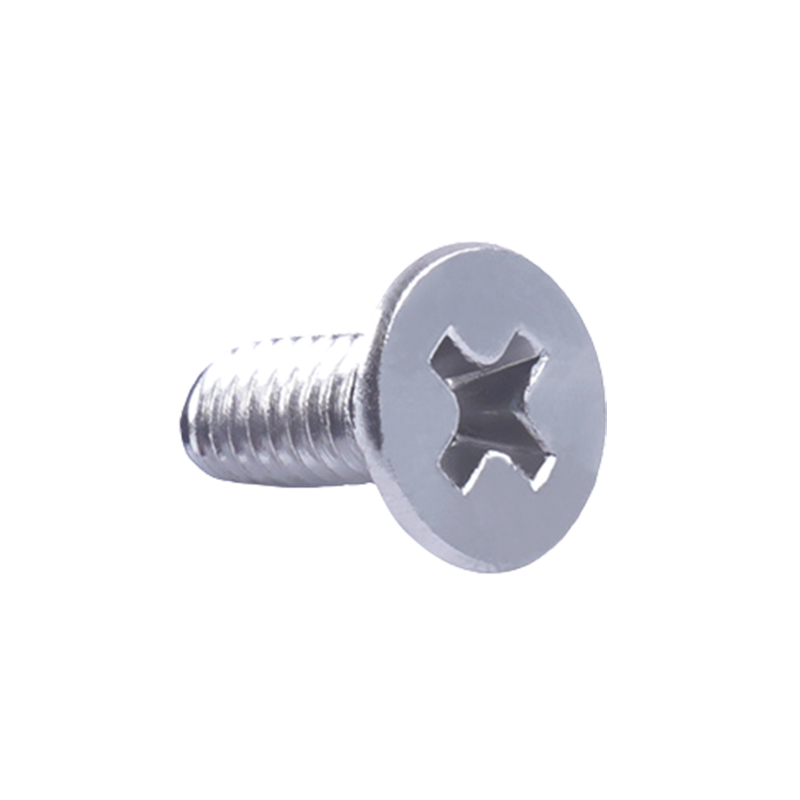
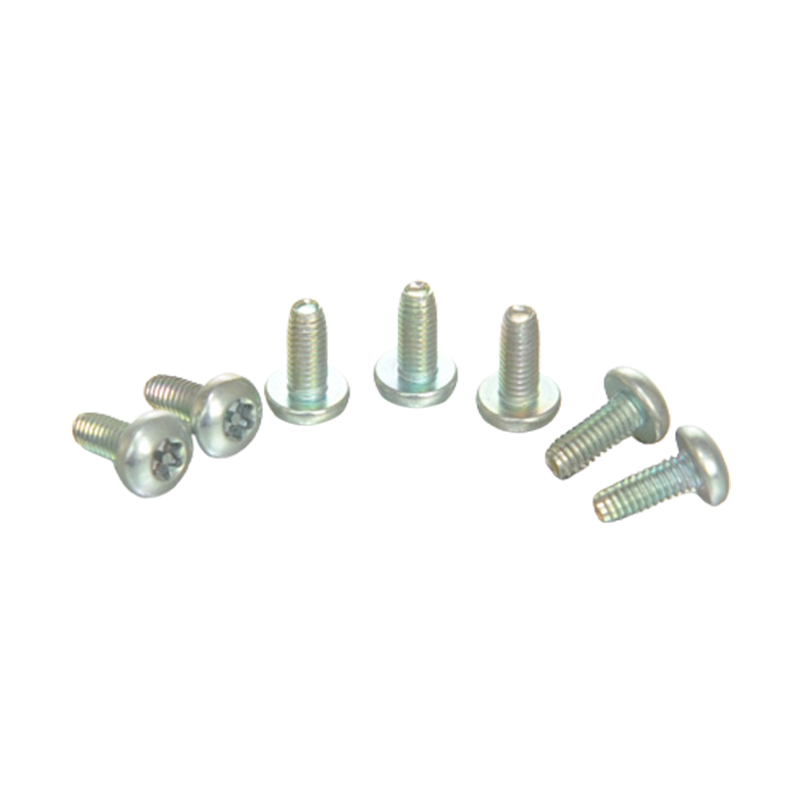
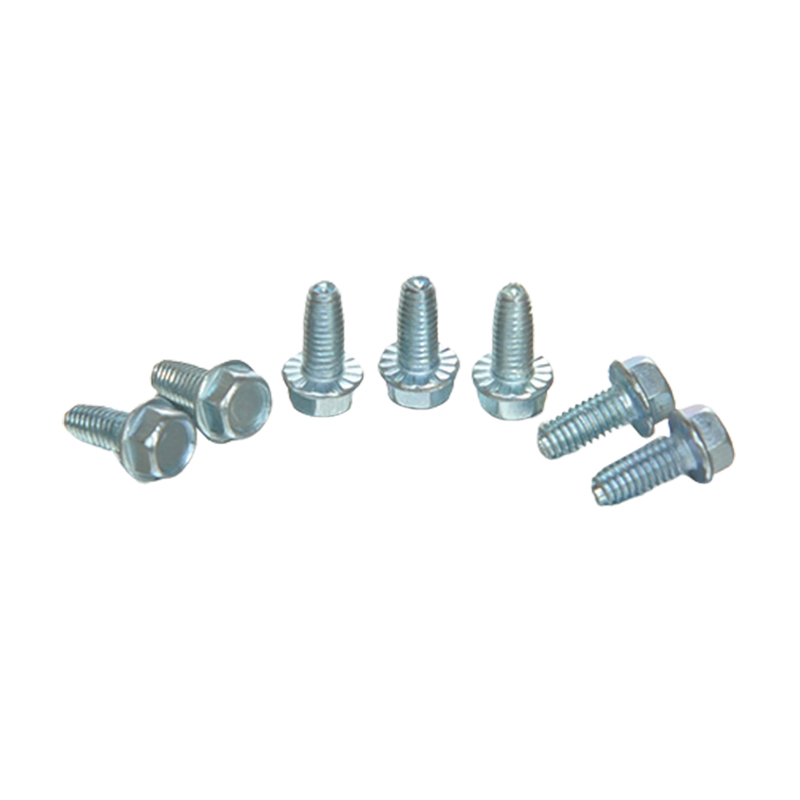
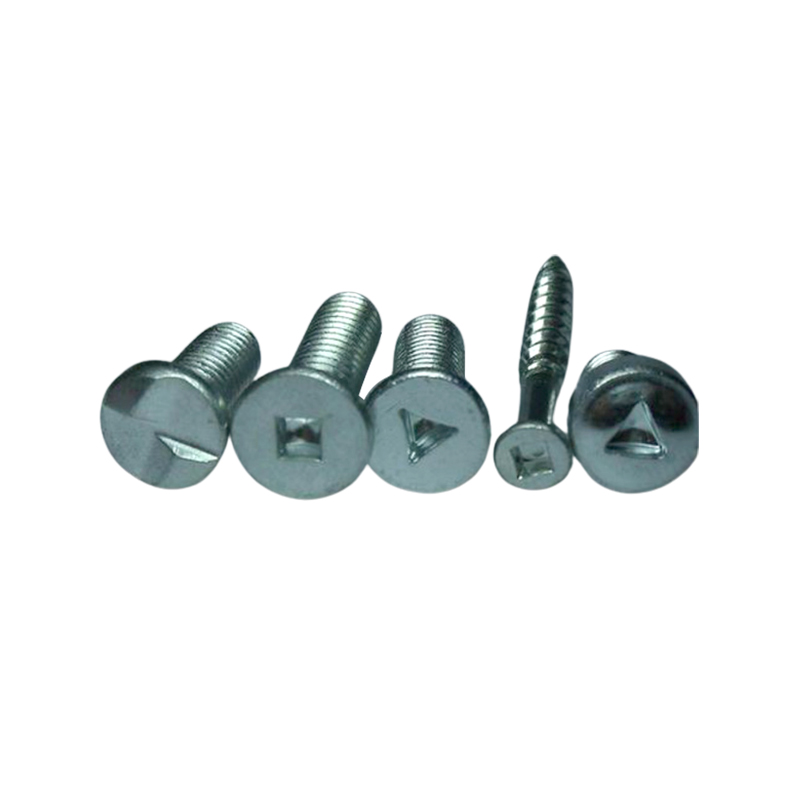
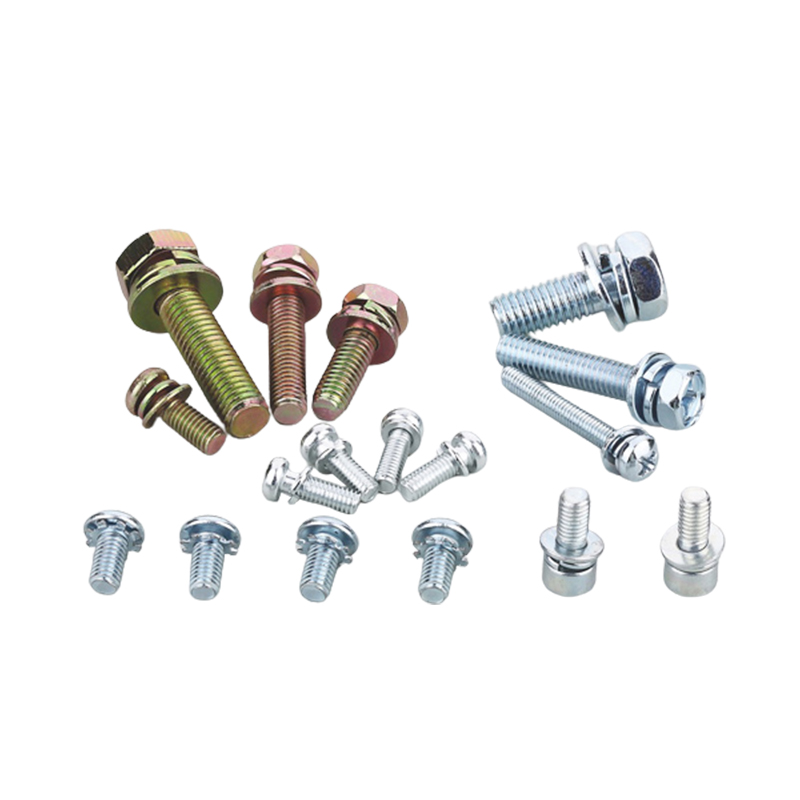
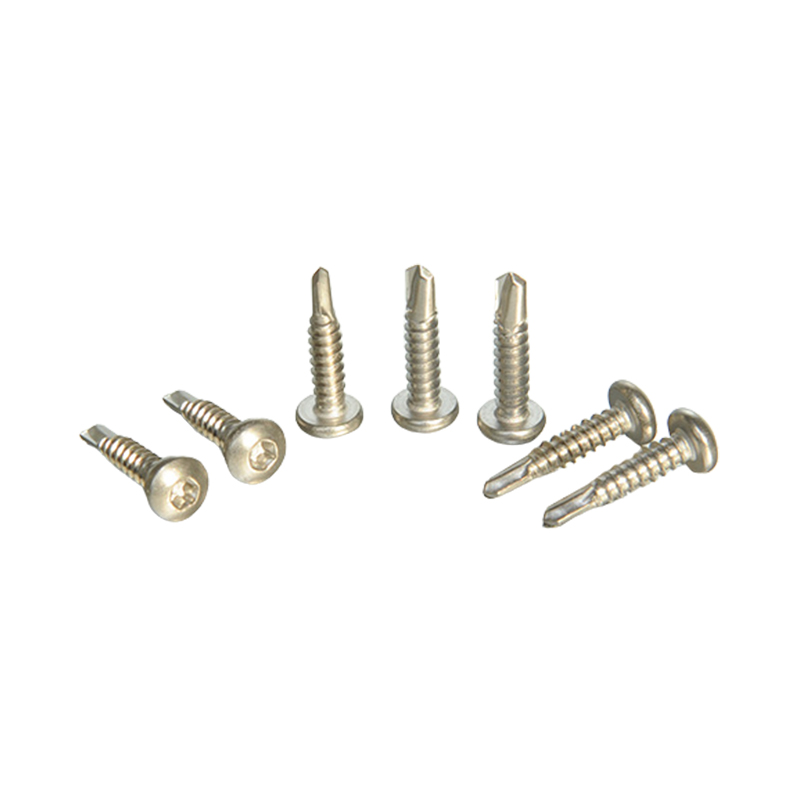
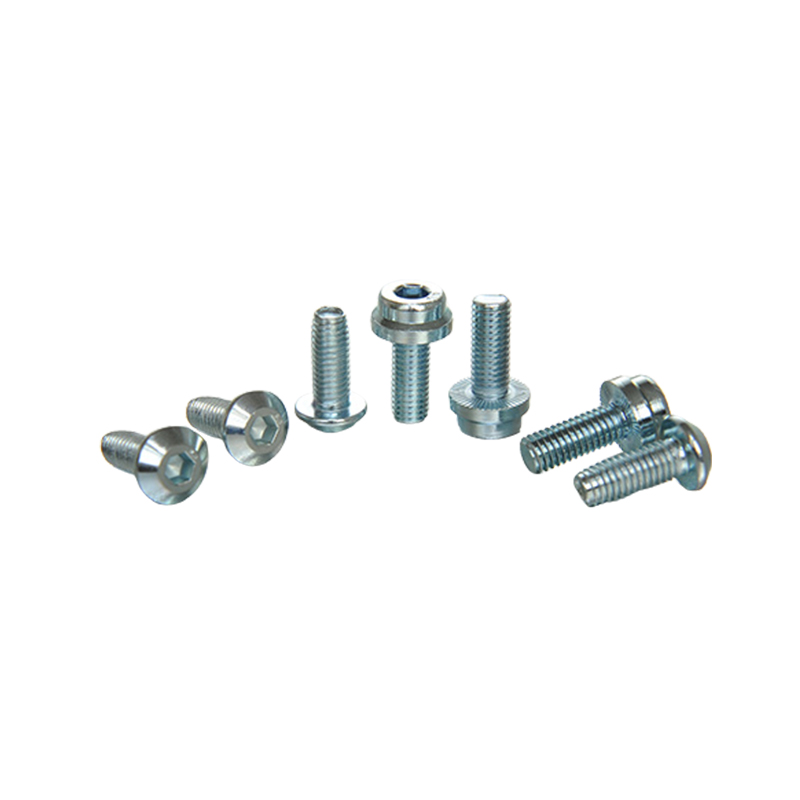
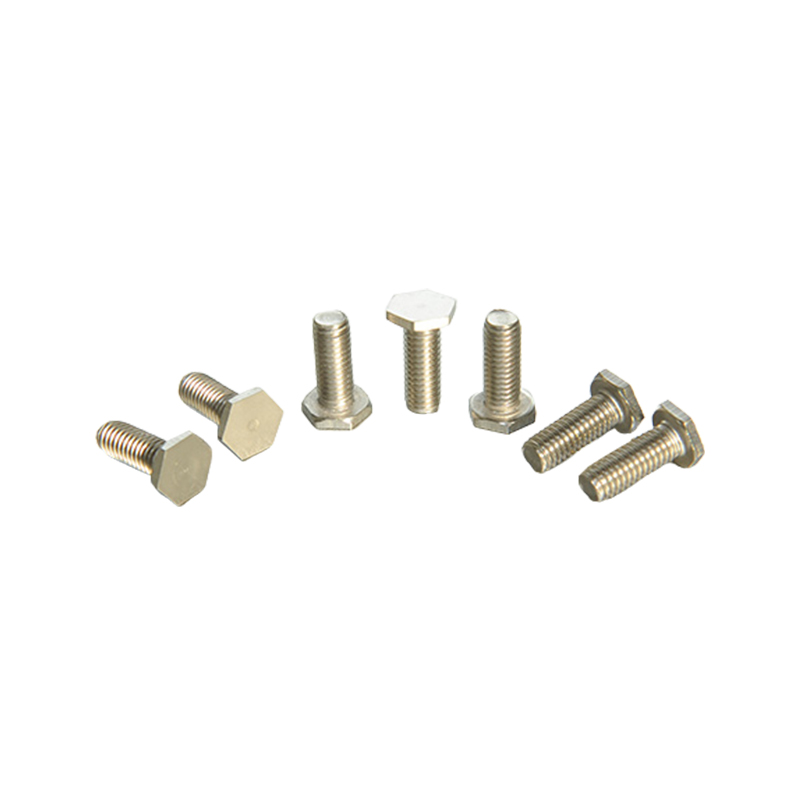
Standard specifications include diameter ranges from 3mm to 12mm, lengths from 10mm to 100mm, and various head designs such as pan head, countersunk, and hex head to suit different assembly requirements.
Applications Across Industries
Automotive Manufacturing
In automotive assembly, pressure riveting screws are used to join sheet metal panels, secure engine components, and attach interior trims. They offer consistent torque and prevent loosening under vibration.
Electronics and Appliances
Pressure riveting screws are ideal for fastening circuit boards, housings, and mechanical parts in electronic devices. The precision fit ensures electrical insulation and maintains alignment.
Construction and Heavy Machinery
For construction equipment and heavy machinery, these screws secure metal brackets, structural supports, and protective panels. Their load-bearing capability withstands high stress and dynamic forces.
Advantages of Pressure Riveting Screws
Pressure riveting screws offer multiple advantages over traditional fasteners:
- Permanent and secure fastening with mechanical interlock
- Reduced installation time compared to welding or adhesive bonding
- Ability to handle vibration, thermal expansion, and repeated stress
- Minimal surface damage to materials
- Compatibility with automated riveting machines for mass production
Installation Methods
Proper installation is critical to maximize the performance of pressure riveting screws. Automated riveting machines ensure consistent pressure and torque, producing uniform deformation of the screw shaft to lock it securely in place.
Manual installation is possible for small-scale applications, using specialized hand tools that apply controlled axial pressure and rotation. Precision in alignment and pressure prevents stripping and ensures longevity.
Quality Control and Standards
Manufacturers follow strict quality control standards to ensure reliability. ISO 9001 certification, material traceability, and mechanical testing are common practices to maintain high performance.
Torque testing, pull-out testing, and fatigue resistance measurements are performed to verify that each batch meets industrial requirements and safety standards.
Material Compatibility and Selection
Choosing the correct material is vital. Stainless steel is suitable for corrosion-prone environments, aluminum offers lightweight solutions, and heat-treated steel provides maximum mechanical strength. Each material is selected based on load requirements, environmental conditions, and longevity expectations.
Compatibility with the workpiece material is also crucial to prevent galvanic corrosion and ensure that the mechanical interlock remains effective over time.
Emerging Trends in Pressure Riveting Screws
Recent innovations include precision cold-forming techniques, self-tapping pressure screws, and coatings for enhanced wear and corrosion resistance. These advancements increase durability and expand applications in advanced industries.
Integration with robotic assembly lines allows high-volume, precise installations with reduced labor costs and improved consistency across complex manufacturing processes.