 English
 Español
 日本語
日本語

Introduction to Pressure Riveting Screws
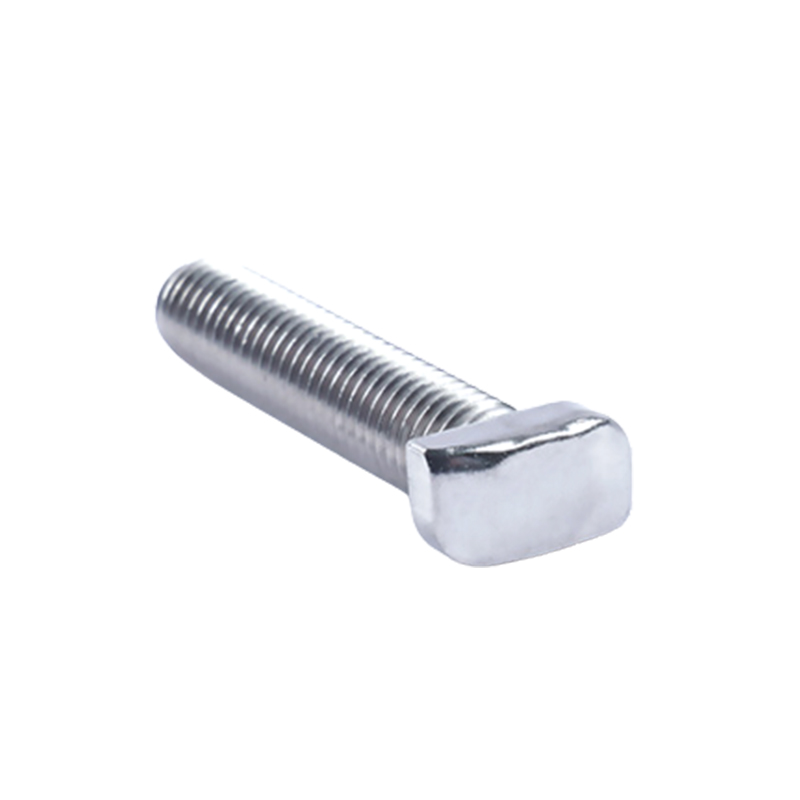
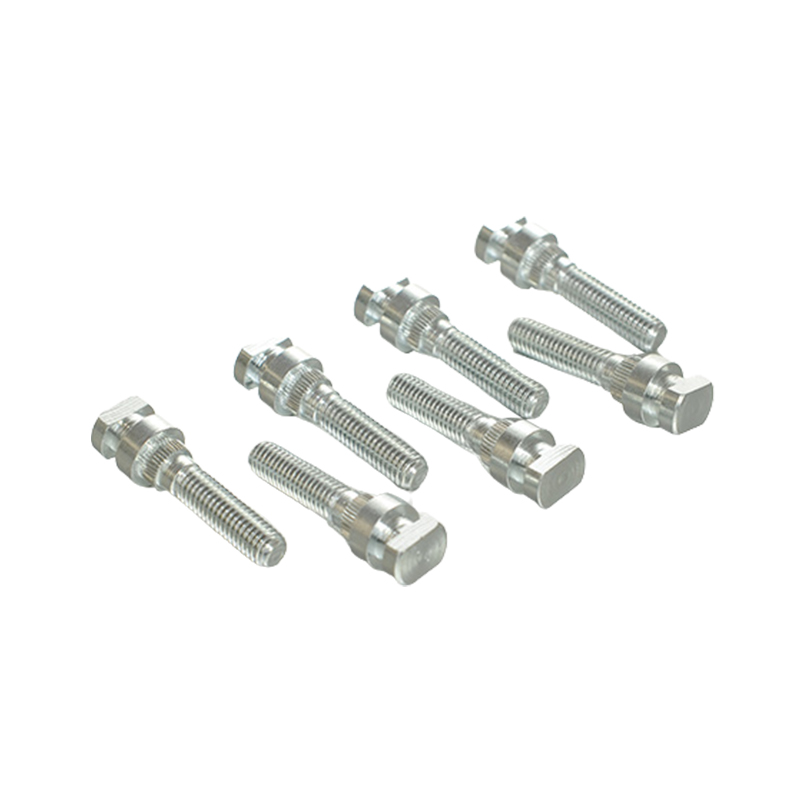
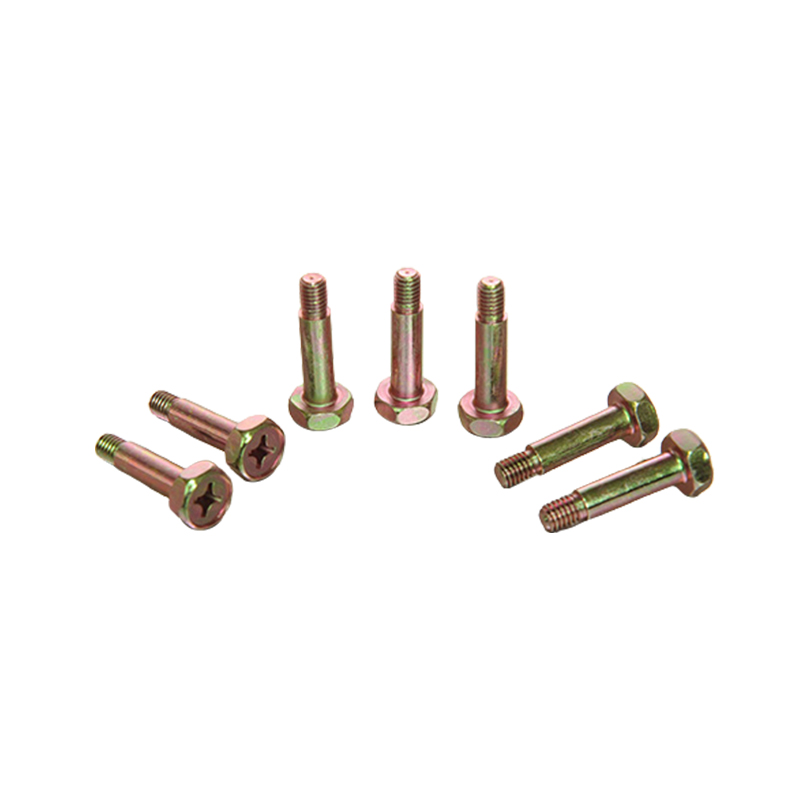
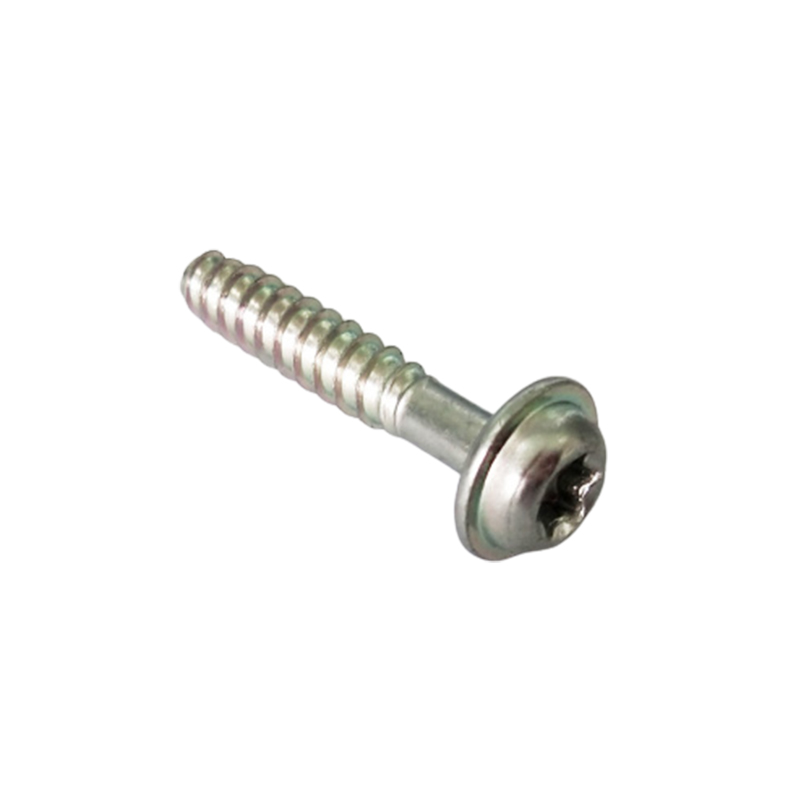
Pressure riveting screws are fastening components designed to join materials through mechanical deformation rather than traditional threading. They are commonly used in manufacturing, electronics, automotive, and construction applications where a secure and permanent connection is required. Unlike conventional screws that rely on threading, pressure riveting screws distribute force over a larger area, which can be beneficial when working with thin sheets or fragile materials. Their application requires careful consideration of material properties, thickness, and the type of riveting screw used.
Working Principle of Pressure Riveting Screws
Pressure riveting screws operate by applying localized force that deforms the screw or the material to create a mechanical bond. This process typically involves a press or hand tool that exerts controlled pressure, ensuring that the screw expands or forms a tight fit without relying on conventional threads. The controlled application of force is crucial when working with delicate materials, as excessive pressure may cause cracking, bending, or other forms of damage. Proper alignment and even force distribution enhance the likelihood of successful installation on thin or fragile substrates.
Suitability for Thin Sheets
Thin sheets of metal, plastic, or composite materials present unique challenges for fastening because they lack the structural depth to accommodate traditional screws without deformation. Pressure riveting screws can be advantageous in these situations as they provide a secure connection with minimal penetration. The expanded head or deformation profile of the screw allows it to grip the material across a wider surface area, reducing the risk of tearing or puncturing. Selection of an appropriate screw diameter, length, and head type is essential to ensure compatibility with thin sheets.
Considerations for Fragile Materials
Fragile materials, such as brittle plastics, glass-reinforced composites, or thin laminates, require careful handling during fastening operations. Pressure riveting screws can be used successfully on these materials if the applied force is precisely controlled. Using softer or expandable screw tips, along with cushioning or backing materials, can help distribute pressure evenly and reduce stress concentrations. Pre-drilling or scoring may also be employed in some cases to prevent cracking while maintaining adequate mechanical hold.
Material Types and Recommended Pressure Riveting Screw Usage
| Material | Recommended Screw Type | Considerations | Force Control |
|---|---|---|---|
| Thin Aluminum Sheets | Small-diameter expansion screws | Use backing plate to distribute load | Moderate pressure; avoid overtightening |
| Fragile Plastics | Plastic-compatible rivet screws | Pre-drill pilot hole if necessary | Low to moderate pressure; check material tolerance |
| Composite Laminates | Flat-head expandable screws | Ensure even surface contact | Controlled press; avoid sharp impacts |
| Thin Steel Sheets | Metal rivet screws with broad heads | Back-up plate recommended for very thin sheets | Moderate to high pressure depending on sheet thickness |
Pressure Control and Tool Selection
The effectiveness of pressure riveting screws on thin or fragile materials is heavily influenced by the tools used and the applied pressure. Manual hand presses, hydraulic presses, or pneumatic riveting tools are commonly employed. Each tool provides different levels of force control. For delicate materials, hand-operated or low-force tools allow incremental adjustment and reduce the likelihood of damage. Automated presses with adjustable pressure settings are beneficial for repetitive production environments, ensuring consistent results while protecting sensitive materials.
Preventing Material Damage
Several techniques can be employed to minimize the risk of damage when using pressure riveting screws. These include using washers or backing plates to distribute pressure, selecting screws with rounded or flared heads, pre-drilling pilot holes, and employing gradual pressure application. Understanding the mechanical limits of the material and adjusting the riveting technique accordingly is essential. Testing on sample pieces before full production runs can identify potential issues and optimize the installation process for safety and efficiency.
Applications in Industry
Pressure riveting screws are widely used in industries where delicate or thin materials are common. In electronics, they are used to assemble enclosures without cracking plastic housings. In automotive manufacturing, they fasten thin sheet metal panels or composite components. In consumer goods, they secure lightweight assemblies without compromising structural integrity. The ability to join materials without excessive drilling or threading makes pressure riveting screws a versatile solution in scenarios where conventional fasteners could cause damage.
Table: Recommended Practices for Thin or Fragile Materials
| Material | Pre-treatment | Fastening Tip | Tool Recommendation |
|---|---|---|---|
| Thin Aluminum | Deburr edges, use backing plate | Moderate pressure, avoid sudden force | Manual press or adjustable pneumatic tool |
| Brittle Plastic | Pre-drill pilot hole, smooth edges | Low pressure, gradual application | Hand-operated press or low-force hydraulic press |
| Composite Laminates | Clean surface, use protective layer | Distribute load evenly, avoid localized pressure | Controlled pneumatic press |
| Thin Steel Sheets | Optional backing plate for thin gauge | Moderate to high pressure depending on thickness | Hydraulic press or precision screw tool |