 English
 Español
 日本語
日本語

Five months after a contractor fastens galvanized steel roofing to a coastal warehouse, rust lines begin to trail from each screw head. The standard carbon steel self-drilling screws drilled quickly and held firmly, but the exposed shanks and polished coating were never designed to live in salt air. For steel-to-steel connections in outdoor or humid environments, the more durable answer is not a thicker coating; it is a bi-metal self-drilling screw.
Bi-metal self-drilling screws combine a hardened carbon steel drill point with a corrosion-resistant stainless steel body. The result is a fastener that can cut and tap in one pass, while the threads and head continue to resist rust for years. For exterior metal buildings, mechanical rooms, wash-down areas, and marine-adjacent structures, this hybrid is often the highest-performance fastening choice.
What Is a Bi-Metal Self-Drilling Screw?
A bi-metal self-drilling screw is manufactured by welding a heat-treated carbon steel tip to a stainless steel body. The tip is ground with flute geometry to create its own pilot hole, then cut threads into the steel as the screw advances. The body and head are normally 304 stainless steel, which gives the screw its anti-rust performance. 316 stainless is used for high-chloride environments, and some lower-cost products use 410 stainless when the application demands more hardness and less corrosion resistance.
The weld between the two metals is the critical zone. A poor weld can snap during drilling, leaving part of the screw in the work. Reputable makers use friction welding or a controlled solid-state process, followed by hardness testing and pull tests on the finished screws.
Why the Hybrid Design Matters
Carbon steel self-drilling screws can be hardened to a high cutting hardness, so they drill fast and clean. But the whole screw is vulnerable to corrosion. Zinc plating or organic coatings help at first, but installation scratches expose the steel and corrosion starts at the damaged areas.
Fully stainless steel self-drilling screws are free of that rust problem, yet they have a different weakness. Austenitic stainless grades such as 304 and 316 work-harden under friction. On thicker steel, the tip heats up, dulls faster, and can even gall or seize in the hole. Users often respond by drilling a pilot hole, which removes the time-saving advantage of a self-drilling screw.
A bi-metal screw separates the two jobs. The hardened carbon steel tip retains a sharp cutting edge even in thicker steel. The stainless body stays passive and corrosion-resistant. For most outdoor steel-to-steel fastening, this combination is the sweet spot between speed and longevity.
Selecting the Right Bi-Metal Self-Drilling Screw
1. Body Material
Start with the corrosiveness of the service environment. For typical exterior buildings, 304 stainless is the default. For coastal salt spray, road-salt exposure, or chemical washdown, 316 stainless is the safer choice, especially where the screw comes in direct contact with dissimilar metals and water. 410 stainless costs less and offers higher hardness, but it has lower corrosion resistance; treat it as an interior-grade or dry-service option.
2. Drill Point Size
Drill point size determines how thick a steel section the screw can penetrate. The common #1 to #5 scale is based on the drill-point tip length. Match the point to the total thickness of the materials being joined.
| Point No. | Maximum Steel Thickness | Metric Equivalent |
|---|---|---|
| #1 | 0.035 in | 0.9 mm |
| #2 | 0.105 in | 2.7 mm |
| #3 | 0.175 in | 4.4 mm |
| #4 | 0.250 in | 6.4 mm |
| #5 | 0.500 in | 12.7 mm |
If two materials are stacked, add the thicknesses together. A #5 point is suitable for sandwiching a structural steel plate up to 1/2 inch total. Don't use a #2 point into 1/4-inch steel; you will overheat the tip and reduce pullout resistance.
3. Head Style and Drive
Head style affects load distribution, tool access, and appearance. Hex washer head is the strongest all-purpose shape for torque-heavy installation. A countersunk head is best when the surface must remain flat.
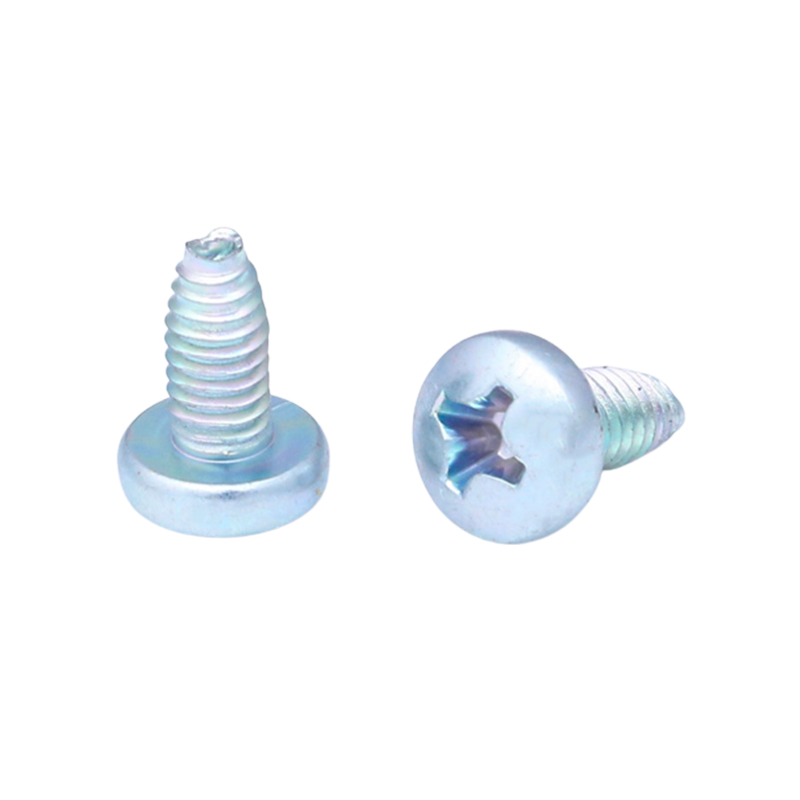
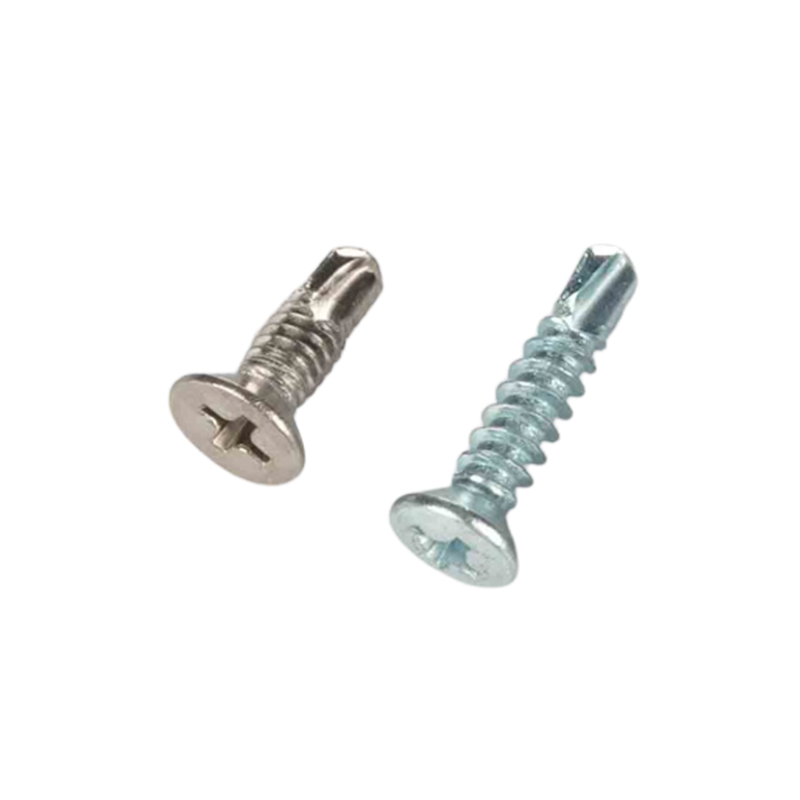 Cross Countersunk Head Drill Screw for Flush-Finish FasteningThis self-drilling screw sits flush or slightly recessed in the workpiece, keeping the surface flat. It suits applications where a smooth appearance and minimal protrusion matter.View Product →
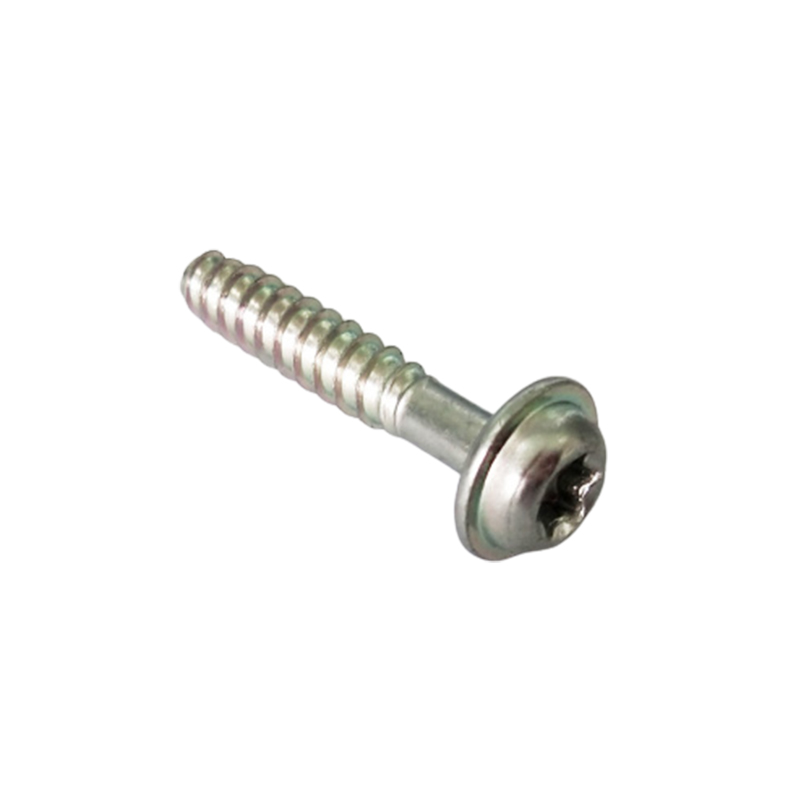
A pan head with an integral washer gives more bearing area on thin sheet steel, and a hex flange with pad adds a large circular face without a separate washer.
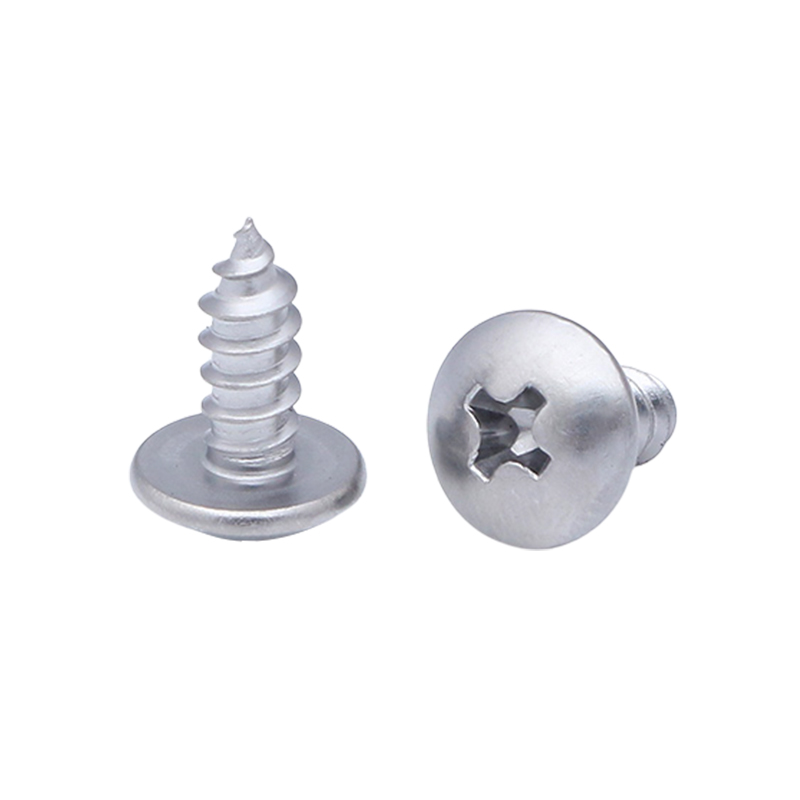
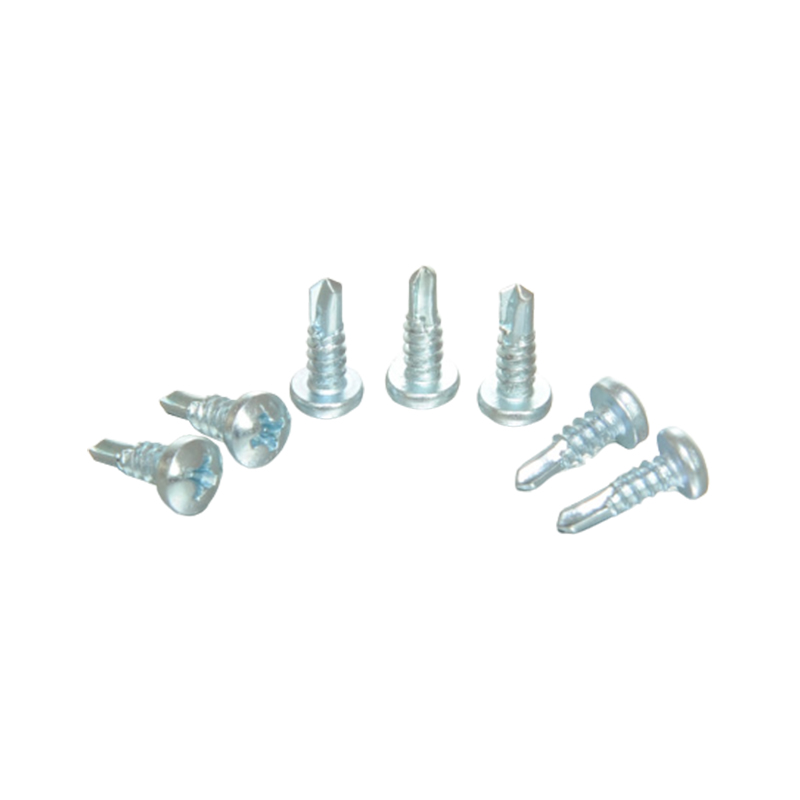 Cross Pan Head Drill Screw with Self-Drilling Spiral GrooveIts pan head with integral washer spreads load on thin steel, while the self-drilling design removes the need for pre-drilling. Ideal for high-volume fastening work.View Product →
When the joint will face repeated loads or vibration, choose a flange head with a larger contact face.
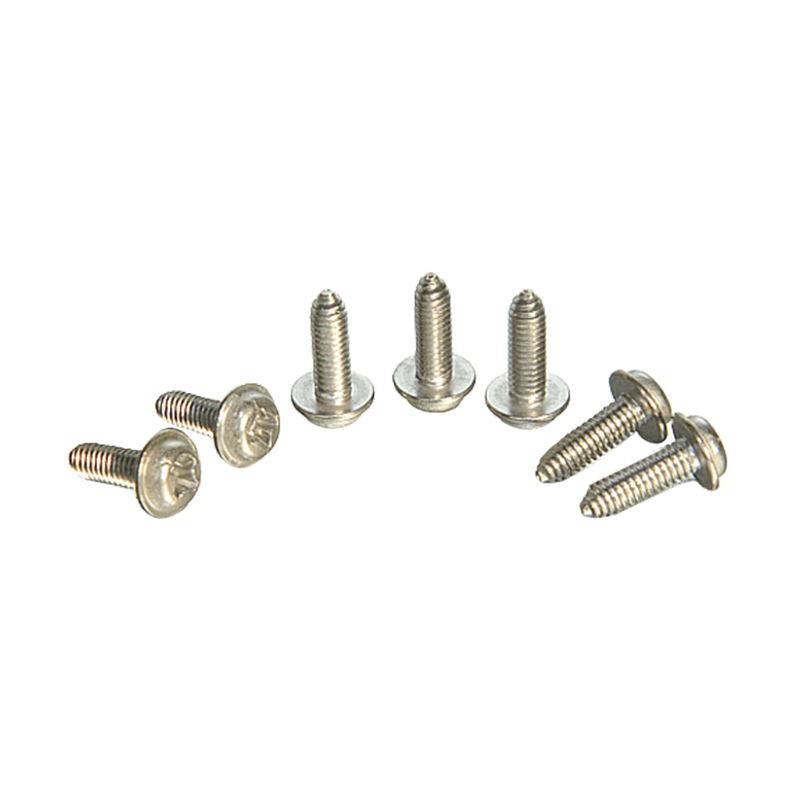
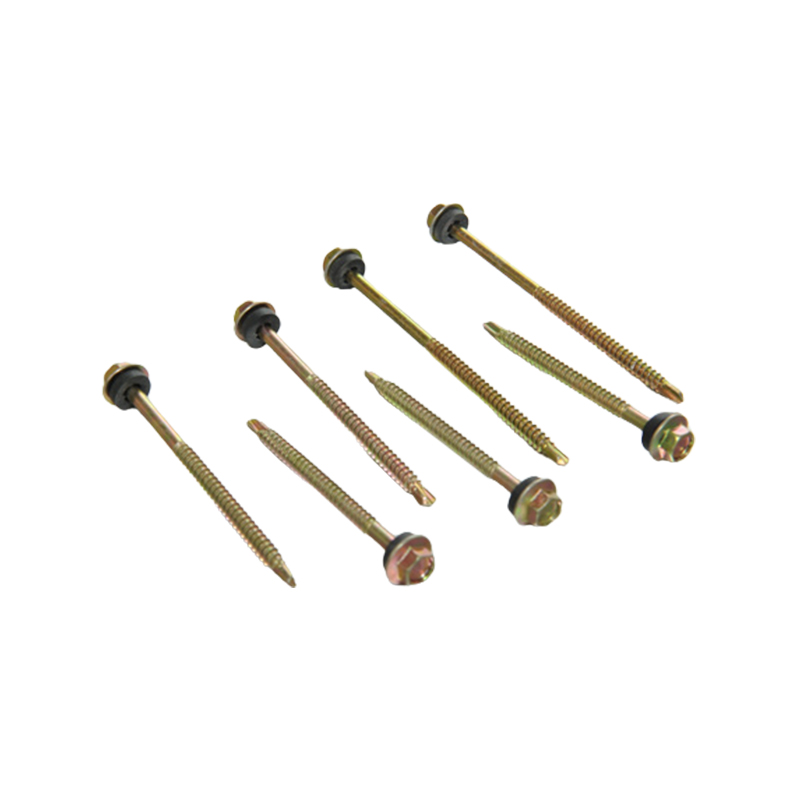 Hexagonal Flange with Pad Self-Drilling Screw for Even Load DistributionThe pad and flange widen contact area to distribute tightening loads evenly and improve sealing. A good choice for joints subject to vibration or repeated loads.View Product →
Drive types follow the same trade-off. Cross-recessed drives are convenient for light gauge work; for heavy steel sections, a hexagonal or six-lobe drive reduces cam-out and lets you control installation torque more precisely.
Installing Bi-Metal Screws Correctly
Good installation is just as important as the screw material. The key is to let the drill point cut, not push it through with excessive force. Use the speed range recommended by the screw maker. For 12-gauge to 14-gauge sheet steel, 2,000 to 3,000 RPM is common; for 1/8-inch to 1/2-inch structural steel, 1,500 to 2,500 RPM. High speed creates heat that can soften a carbon steel tip.
Use a bit that fits the drive snugly. Worn bits strip the head and make it almost impossible to know when the screw has seated. For screws with a wax or baked-on lubricant, avoid adding oil to stainless threads; excess oil can cause galling and makes cleaning harder.
Set the clutch so the screw seats fully without over-torquing. Over-driving can strip the thread formed in the lower sheet or break the screw at the weld point. A good visual cue is the flange or head just touching the upper surface—not deeply embedded in it.
The exposed carbon steel tip after drilling is usually not a problem. It will develop a thin surface rust layer in wet service; if that is unacceptable, specify a point that remains covered or use a fully stainless screw installed into a pre-drilled hole.
Cost, Quality, and Buying Risks
Bi-metal screws cost more per piece than plain carbon steel self-drilling screws. But in corrosive service, they can be cheaper than using carbon steel screws plus frequent replacement, and they eliminate the pilot-hole step often needed with fully stainless self-drilling screws.
| Screw Type | Drilling Speed | Corrosion Resistance | Relative Cost | Typical Use |
|---|---|---|---|---|
| Carbon steel, coated | Fast | Moderate to low | Low | Interior dry framing |
| Bi-metal | Fast | High with 304/316 body | Medium | Exterior metal buildings |
| All-stainless | Slower, may need pilot hole | Very high | High | Marine and chemical plants |
The main buying risks are inconsistent weld quality, unverified hardness of the drill point, and incorrect point size for the intended steel gauge. A weak weld is invisible in a visual inspection, so choose a manufacturer that can provide batch test reports for hardness, pull-out strength, and salt-spray resistance. Before a large order, build a sample test: install the screw into the exact material stack, at the exact thickness, and check the time to seat plus the torque used.
This is also where a specialist manufacturer makes a difference. See how to purchase high-quality self-tapping screws without guessing at quality.
Bi-metal self-drilling screws are not a universal replacement for every screw in the toolbox. They are the right choice when you need drilling speed and long-term rust resistance in the same joint. Match the point size to the steel thickness, choose the body grade for the environment, and verify the supplier's weld quality before you commit to volume.