 English
 Español
 日本語
日本語

Choosing between brass and stainless steel screws usually comes down to how the fastener will be used and how long it must last. If you need strength, corrosion resistance, and consistent clamping force in outdoor or structural work, stainless steel is the safer default. If the project is decorative, indoor, or requires good electrical conductivity, brass can be the right call. Before finish or thread form matters, material choice decides whether the screw will hold for years or fail early.
As a fastener manufacturer with more than four decades of production experience, we have seen matched screw sets installed in the wrong environment simply because the two colors looked different on the shelf. This guide compares brass and stainless steel screws across the properties that actually affect performance.
Brass Screws: Composition and Core Characteristics
Brass is a copper-zinc alloy, and its color ranges from light gold to reddish gold depending on the zinc content. Because it is an alloy of copper, it offers better electrical and thermal conductivity than stainless steel. It is also naturally non-magnetic, which can be useful for electronic enclosures or instrument mounting.
In fastener form, brass is softer and more ductile than stainless steel. That softness makes it easier to strip the drive recess or stretch the thread under high torque. Brass is also prone to dezincification (the selective leaching of zinc) when exposed continuously to chloride-containing water. This makes many plain brass screws a poor choice for saltwater environments or uncoated outdoor marine use.
Stainless Steel Screws: Composition and Core Characteristics
Stainless steel is an iron-based alloy that contains at least 10.5 percent chromium. The chromium forms a thin, self-healing oxide layer on the surface, which blocks oxygen and moisture from attacking the base metal. Common fastener grades include 304 (18-8) austenitic stainless steel and 316, which adds molybdenum for extra pitting resistance in salt or chemical exposure. Grade 410, by contrast, is a martensitic stainless steel with less corrosion resistance but higher hardness.
Stainless steel screws offer substantially higher tensile strength and shear strength than brass. They also handle repeated assembly, vibration, and varying temperatures better. The drawbacks are that stainless is less conductive, can gall when threads are tightened without lubrication, and tends to be harder to cut or drill if you need to modify it on site.
Direct Comparison: Brass vs Stainless Steel Screws
The table below summarizes the main differences that affect fastening decisions.
| Property | Brass Screws | Stainless Steel Screws |
|---|---|---|
| Strength | Moderate; softer and more ductile | High; stronger in tension and shear |
| Corrosion resistance | Good indoors; may dezincify in water | Excellent in most atmospheric, water, and chemical exposures |
| Electrical conductivity | Good | Lower |
| Magnetic properties | Non-magnetic | Can be slightly magnetic after cold working |
| Appearance | Warm gold; develops patina | Silver-grey; can be coated |
| Installation behavior | Easy to strip; needs pilot holes | Prone to galling; use anti-seize lubricant |
| Typical cost | Copper price drives variability | Competitive at industrial volume |
| Best applications | Decorative, indoor, electrical contacts | Structural, outdoor, marine, industrial |
One important detail hides in the cost row. Brass screws are often sold at a premium in small retail packs, while stainless steel is produced in huge volumes, so industrial users frequently find stainless steel only slightly more expensive than plated carbon steel and sometimes cheaper than brass. The same logic applies to corrosion performance: stainless steel is not always immune if you choose the wrong grade, but the material family provides a much wider safety margin in wet or humid service.
Installation and Practical Considerations
Brass screws are softer, so an undersized pilot hole can cause the head to shear off or the slot to deform. In wood, brass screws often come with a steel tapping screw to create threads first; replace it with a brass screw afterward to prevent stripping. Stainless steel screws are stronger, but they gall: the thread material cold-welds onto the mating surface when driven at speed. Use lubricant or a lower speed for best results.
The environment matters even more than fastener color. In a humid coastal yard, a brass screw may develop a blue-green patina but still lose zinc. Stainless steel 304 is a better choice, and 316 is preferred directly beside seawater. Indoors, where moisture is controlled, the lower cost and attractive finish of brass can be an advantage. If the assembly will be exposed to electrolytes, avoid pairing brass fasteners directly with stainless steel hardware, because the stainless can accelerate corrosion of the brass.
How to Choose the Right Screw for Your Application
Start with the service environment, then look at the load path. If the screw must hold a hinge in a high-traffic gate, choose stainless steel. If it is a decorative knob on a wooden cabinet, brass can work well. For live electrical parts, brass's conductivity and non-magnetic nature often win, provided the mechanical load is low.
- Outdoor furniture, fencing, or decking: use stainless steel (304 or 316).
- Bathroom or kitchen fittings: stainless steel resists water exposure better.
- Marine or chemical environments: 316 stainless steel; brass only with protective coating.
- Decorative hardware and trim: brass is classic when you want a warm tone.
- Electrical enclosure assembly: choose brass for current-carrying contacts and stainless steel for fastening the enclosure itself.
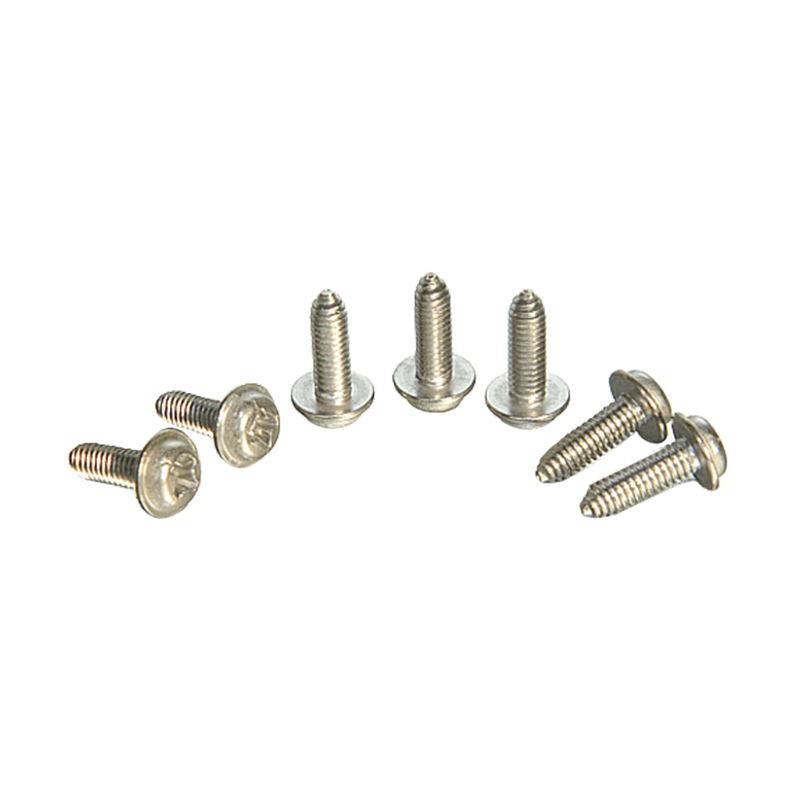
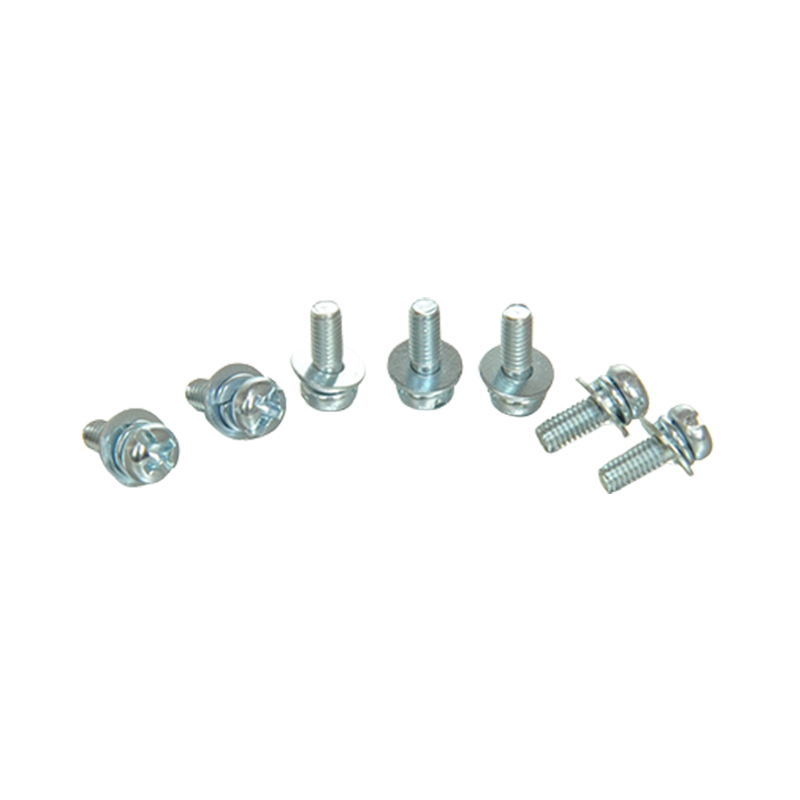
For stainless steel applications that require a durable general-purpose fastener, our stainless steel combination screws integrate the washer and are commonly used in appliance and machinery assembly.
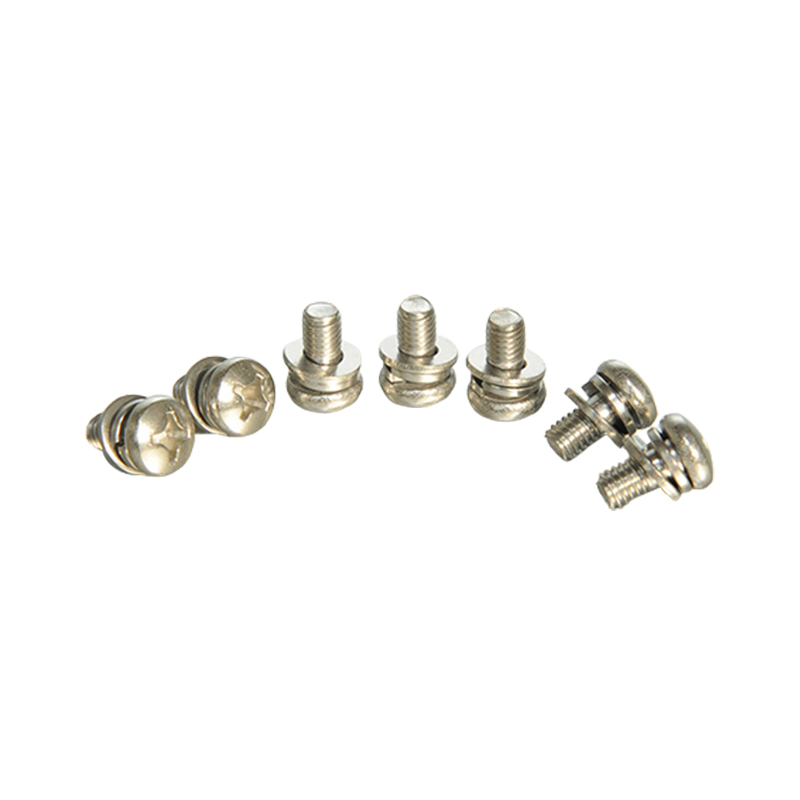 Stainless Steel Combination Screw for Appliance and Machinery AssemblyThis combination screw integrates a washer, making it a practical general-purpose fastener. It suits appliance and machinery assembly where durability is needed, and its performance depends on specifying the correct stainless steel grade and applicable standard.View Product →
Quality and Manufacturing Standards
Material selection only gets you part way. A screw meets its intended strength only if the raw material, cold heading, thread rolling, heat treatment, and surface finish are controlled within tolerance. That is why the best practice is to specify the applicable standard such as ISO, DIN, GB, or ANSI, and to define the stainless steel grade rather than simply saying stainless.
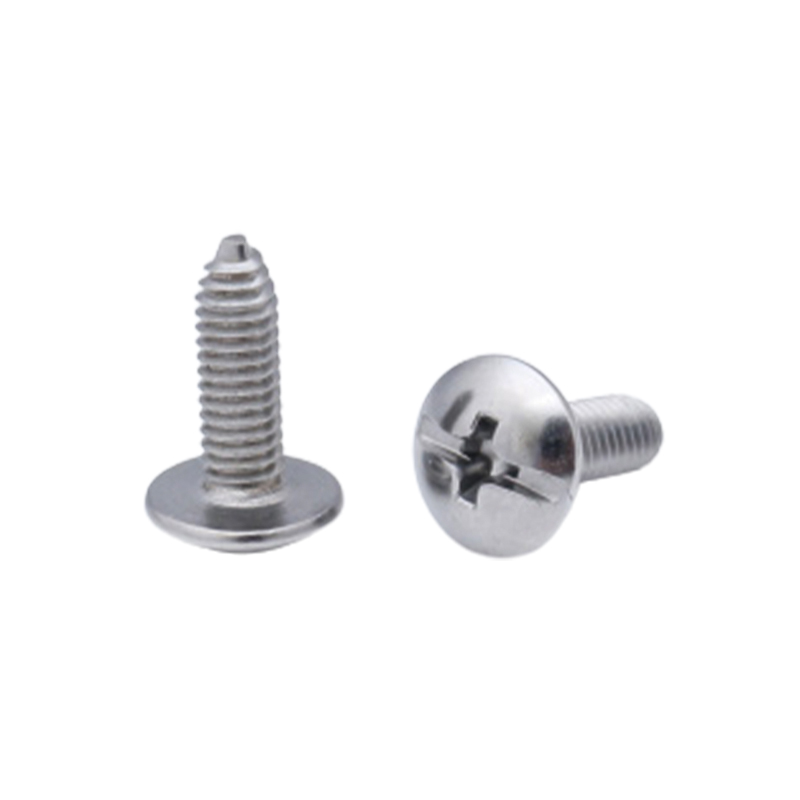
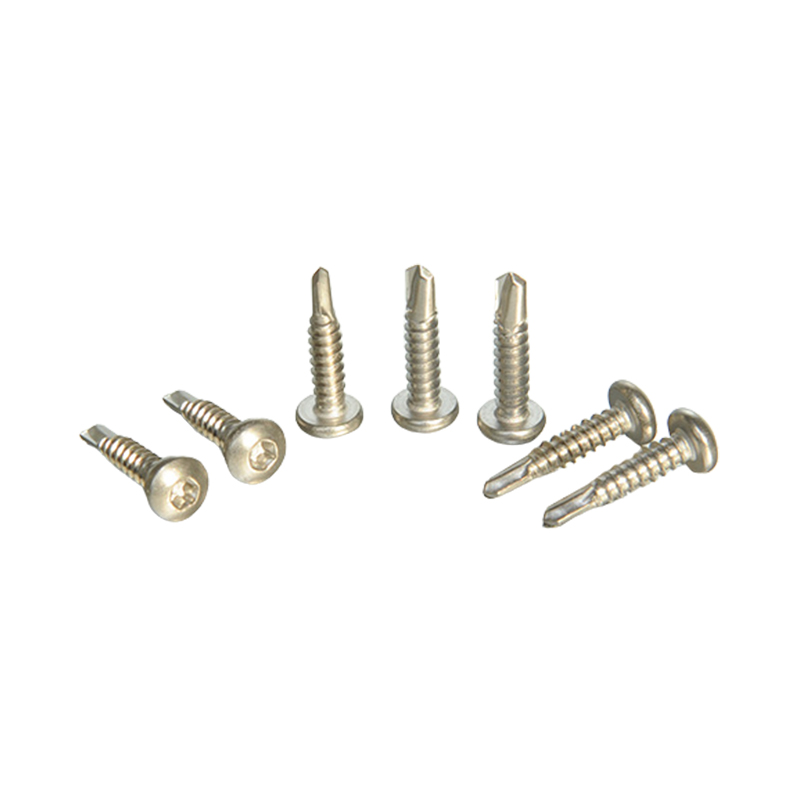
At our factory, we verify corrosion resistance through salt spray and hardness checks; for more detail, see how long stainless steel screw corrosion resistance lasts under real exposure. A 410 grade is suitable where higher hardness matters and the environment is moderate. For coastal projects, choose an austenitic grade such as 304 or 316.
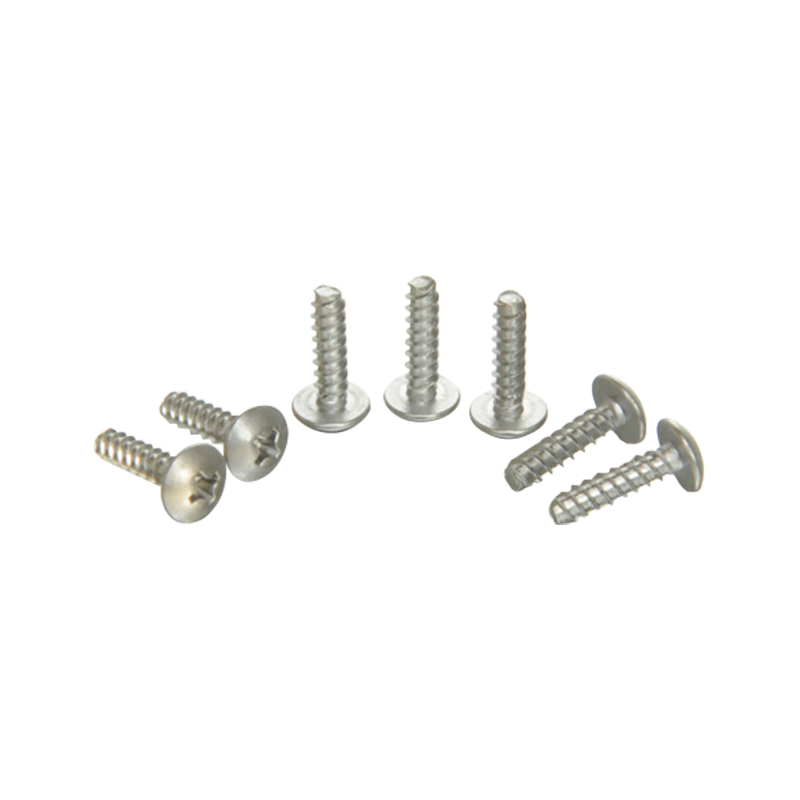 410 Stainless Steel Screw for Moderate Environments Requiring HardnessThe 410 grade offers higher hardness and suits moderate service conditions, though for coastal projects an austenitic grade like 304 or 316 is advised. Its corrosion resistance can be verified through salt spray and hardness checks.View Product →
The Bottom Line
Neither brass nor stainless steel is universally better. Brass wins when appearance, conductivity, and low magnetic signature matter and the service environment is controlled. Stainless steel wins when mechanical strength, long-term corrosion resistance, and reliability under outdoor or industrial conditions are the priority. Specify the correct grade, understand the service conditions, and buy from a manufacturer that checks more than thread pitch.