 English
 Español
 日本語
日本語

Dacromet Socket Screws: Corrosion Resistance vs. Mechanical Strength
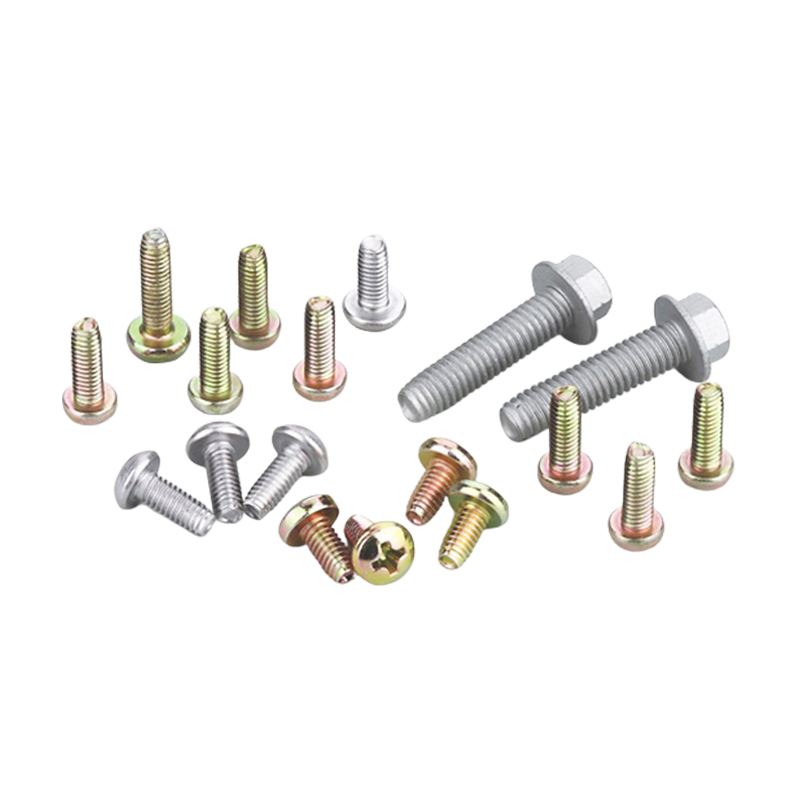
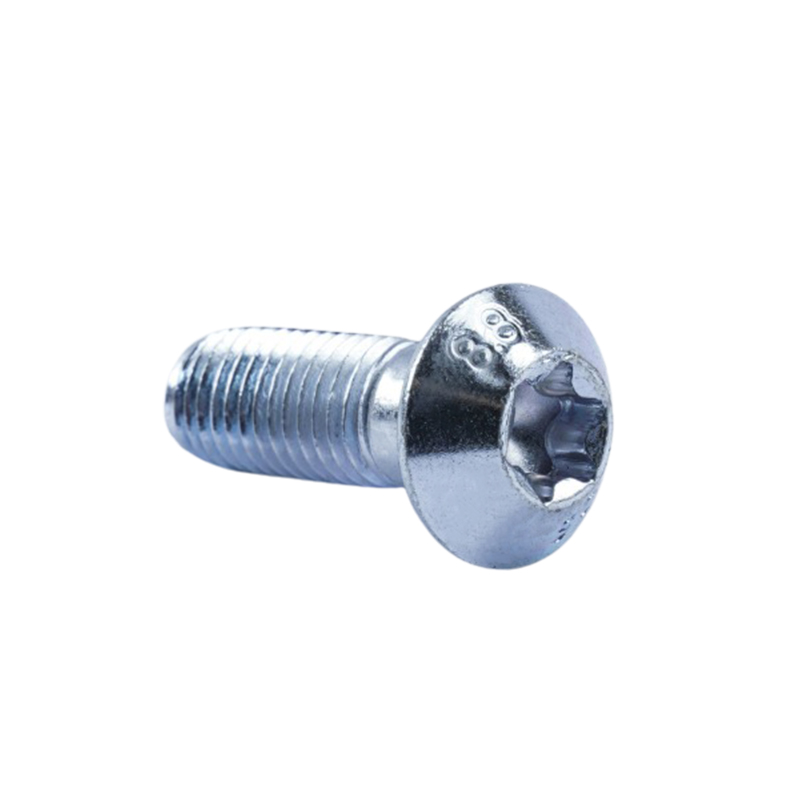
Dacromet socket screws are highly valued in industrial and automotive applications for their combination of superior corrosion resistance and reliable mechanical performance. They offer an optimal balance between long-term durability and load-bearing capability, making them ideal for structural assemblies, engine components, and outdoor equipment.
For engineers and procurement specialists, understanding the trade-offs between corrosion protection and mechanical strength is crucial when selecting Dacromet-coated screws for critical applications.
Dacromet Coating vs. Zinc Plating
Dacromet Coating Benefits
Dacromet is a high-performance, non-electrolytic coating that provides exceptional resistance to corrosion, especially in harsh industrial environments. It is a preferred choice for socket screws exposed to moisture, chemicals, and high-temperature fluctuations.
- Provides up to 1,500 hours of salt spray resistance in neutral conditions.
- Minimizes hydrogen embrittlement compared to traditional zinc coatings.
- Thin coating layer preserves tight tolerances and thread integrity.
Zinc Plating Benefits
Zinc-plated screws are widely used due to lower cost and easy application. While providing moderate corrosion protection, zinc plating is less effective in extreme or outdoor conditions.
- Suitable for indoor or low-humidity applications.
- Relatively low cost and widely available.
- May require additional coatings or paint for extended outdoor exposure.
Mechanical Performance: Socket Screws vs. Hex Screws
Load Capacity and Torque
Socket screws allow higher torque application without stripping compared to traditional hex screws. This makes them ideal for precision assemblies and high-strength applications.
- Hex socket head distributes torque evenly across the screw head.
- Reduces risk of rounding or tool slippage during installation.
- Supports high tensile grades, including 8.8 and 10.9 class screws.
Hex Screws Limitations
Hex head screws are easier to handle manually but have lower torque tolerance and higher risk of stripping under high-load conditions.
- Larger head may require more clearance in tight assemblies.
- Prone to rounding if improperly torqued.
- Less suitable for repeated assembly/disassembly cycles in industrial equipment.
Corrosion Resistance in Extreme Environments
Salt Spray and Humidity Resistance
Dacromet socket screws excel in high-salinity or humid environments, such as marine equipment, coastal infrastructure, and outdoor machinery.
- 1,500+ hours in salt spray tests without visible white rust.
- Non-electrolytic coating avoids galvanic corrosion with dissimilar metals.
- Maintains screw thread integrity under repeated exposure.
High-Temperature Performance
Dacromet coatings remain stable in temperatures up to 250°C, providing reliability for engine components, exhaust systems, and industrial ovens.
- Prevents flaking or degradation under thermal cycling.
- Maintains torque specifications even after repeated heating and cooling.
- Ideal for automotive or heavy machinery applications.
Comparative Performance Table
| Feature | Dacromet Socket Screw | Zinc-Plated Hex Screw |
|---|---|---|
| Corrosion Resistance | High (1,500+ hrs salt spray) | Moderate (200-500 hrs salt spray) |
| Mechanical Strength | High torque tolerance | Moderate torque tolerance |
| Temperature Resistance | Up to 250°C | Up to 120°C |
| Hydrogen Embrittlement Risk | Minimal | Higher risk |
| Cost | Higher upfront | Lower upfront |
Applications Across Industries
Dacromet socket screws are widely used in automotive, aerospace, heavy machinery, and construction industries due to their unique combination of properties.
- Automotive: Engine mounts, exhaust systems, and chassis components.
- Aerospace: Non-critical structural assemblies where corrosion and weight are concerns.
- Heavy Machinery: Equipment exposed to weather, chemicals, or repetitive torque loads.
- Construction: Outdoor metal frameworks, stair assemblies, and railing fasteners.
Future Trends: Enhanced Coatings and Eco-Friendly Processes
The next generation of Dacromet socket screws focuses on environmentally friendly coatings, reduced zinc content, and improved corrosion performance. Research is targeting coatings that further reduce hydrogen embrittlement while maintaining mechanical integrity.
- Eco-friendly Dacromet variants reduce heavy metal discharge during manufacturing.
- Nano-ceramic hybrid coatings improve wear and corrosion resistance.
- Integration with IoT-enabled torque tools ensures precise assembly monitoring in industrial plants.