 English
 Español
 日本語
日本語

Why Anti-Theft Screws Are Crucial for Security
Anti-theft screws provide a robust solution to prevent unauthorized tampering and theft in residential, commercial, and industrial environments. By incorporating unique head designs that require specialized tools, these screws reduce the risk of removal by ordinary means.
Their use is particularly critical in securing public fixtures, electronics, signage, and valuable machinery where conventional screws are vulnerable to quick removal.
Types of Anti-Theft Screws
Anti-theft screws are available in various designs, each providing different levels of security and application suitability.
Common Designs
- One-way screws: Installable with a standard tool but cannot be easily unscrewed.
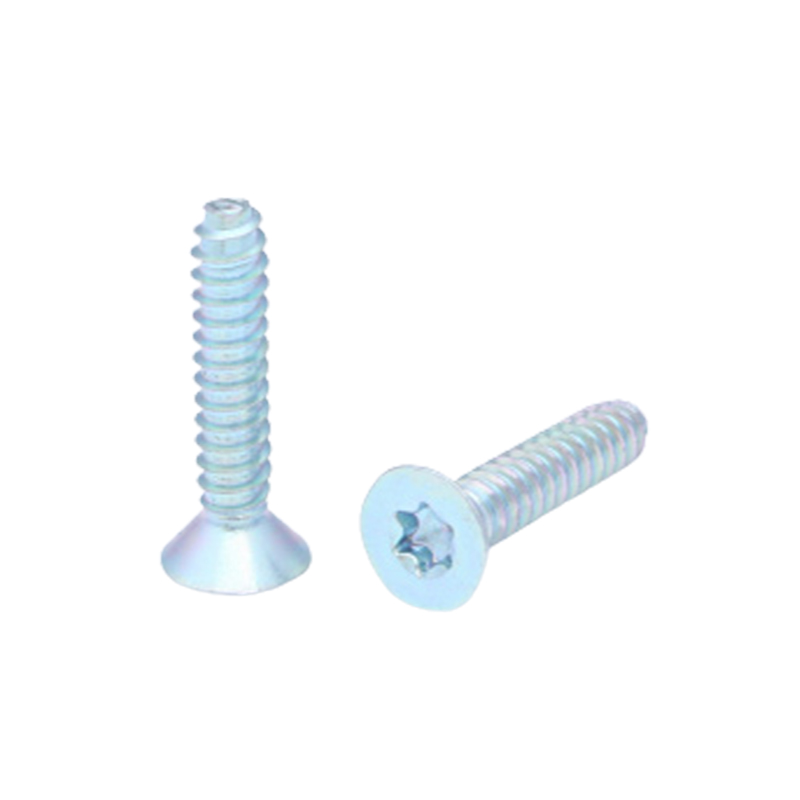
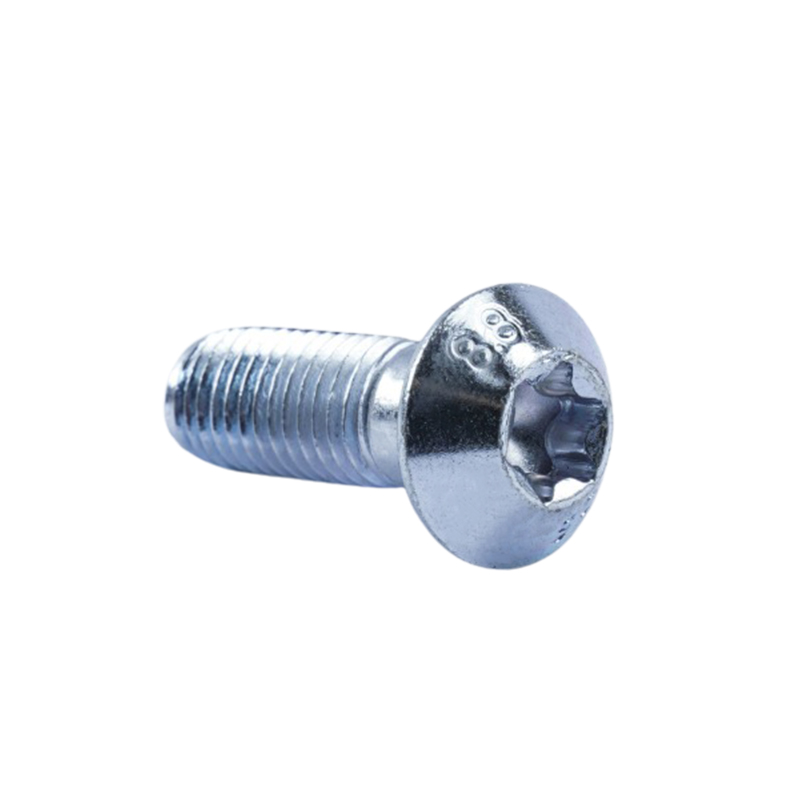
- Torx security screws: Feature a star-shaped pattern with a central pin, requiring a specialized bit.
- Spanner screws: Utilize dual-hole heads, making them resistant to conventional screwdrivers.
- Hex pin screws: Standard hex shape with a central pin to prevent unauthorized removal.
- Tri-wing and tri-groove screws: Often used in electronics, providing tamper-resistant fastening.
Material Selection for Durability and Security
Choosing the right material is key to maximizing the effectiveness of anti-theft screws. Common materials include stainless steel, hardened steel, brass, and coated alloys. Each offers unique benefits in strength, corrosion resistance, and resistance to tampering.
Material Properties Comparison
| Material | Durability | Corrosion Resistance | Common Use |
|---|---|---|---|
| Stainless Steel | High | Excellent | Outdoor fixtures, electronics |
| Hardened Steel | Very High | Good | High-security installations |
| Brass | Medium | High | Decorative fixtures, light-duty security |
Applications of Anti-Theft Screws
Anti-theft screws are widely used across industries to enhance security. Common applications include electronics, public fixtures, automotive components, and commercial installations.
Specific Examples
- Electronic devices: Securing access panels and battery compartments.
- Public signage and street furniture: Preventing vandalism or removal.
- Automotive parts: Fastening interior panels or aftermarket accessories.
- Industrial equipment: Securing panels, enclosures, or high-value components.
Installation Tips and Best Practices
Correct installation of anti-theft screws maximizes their security benefits. This includes selecting the right tool, ensuring proper alignment, and avoiding overtightening, which can damage both the screw and the material.
Practical Guidelines
- Use the manufacturer-recommended driver or bit for installation.
- Pre-drill holes when necessary to avoid material cracking.
- Space screws evenly for balanced security and load distribution.
- Avoid reuse of one-way or tamper-proof screws, as they may lose effectiveness.
Innovations and Trends in Anti-Theft Fasteners
Recent innovations in anti-theft screws include hybrid head designs, corrosion-resistant coatings, and compatibility with smart security systems. These improvements increase both convenience and protection.
Manufacturers are also exploring environmentally friendly materials and production methods without compromising strength, making modern anti-theft screws both secure and sustainable.